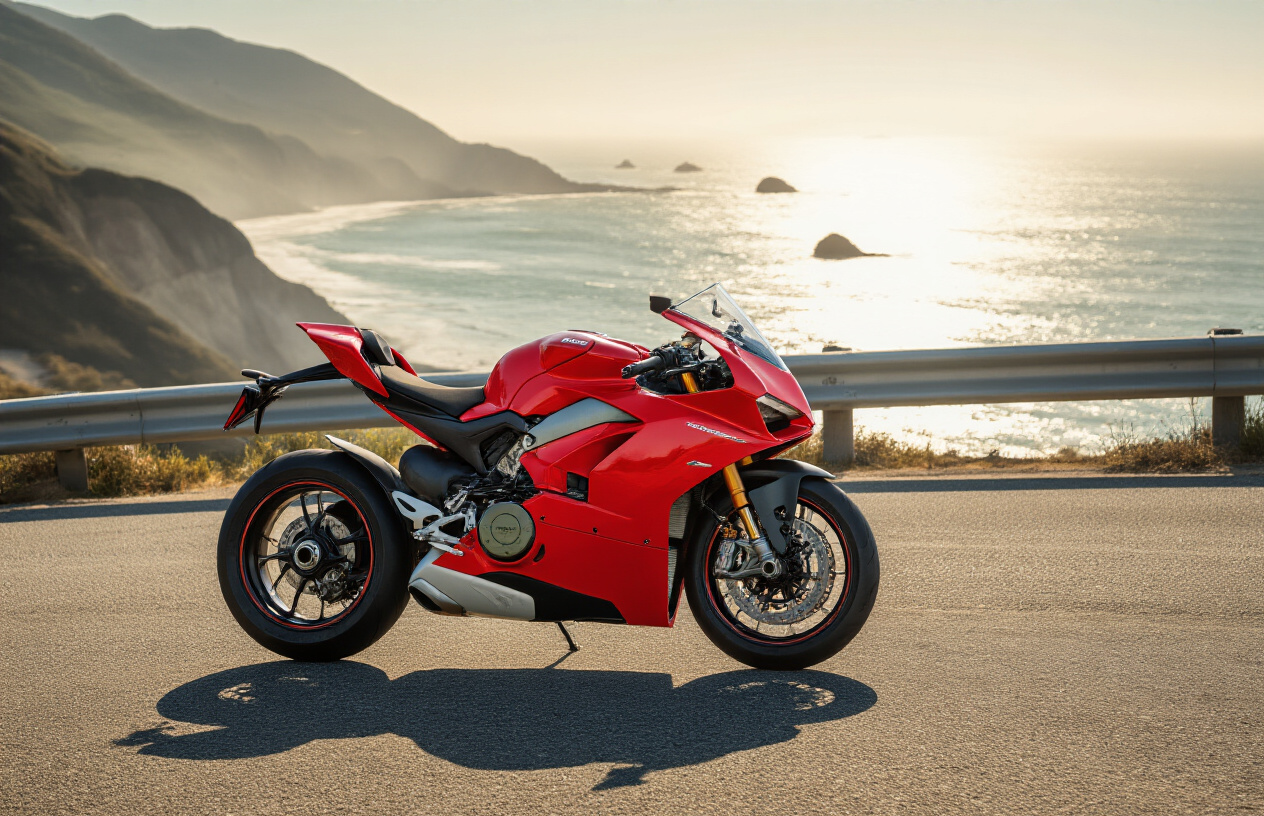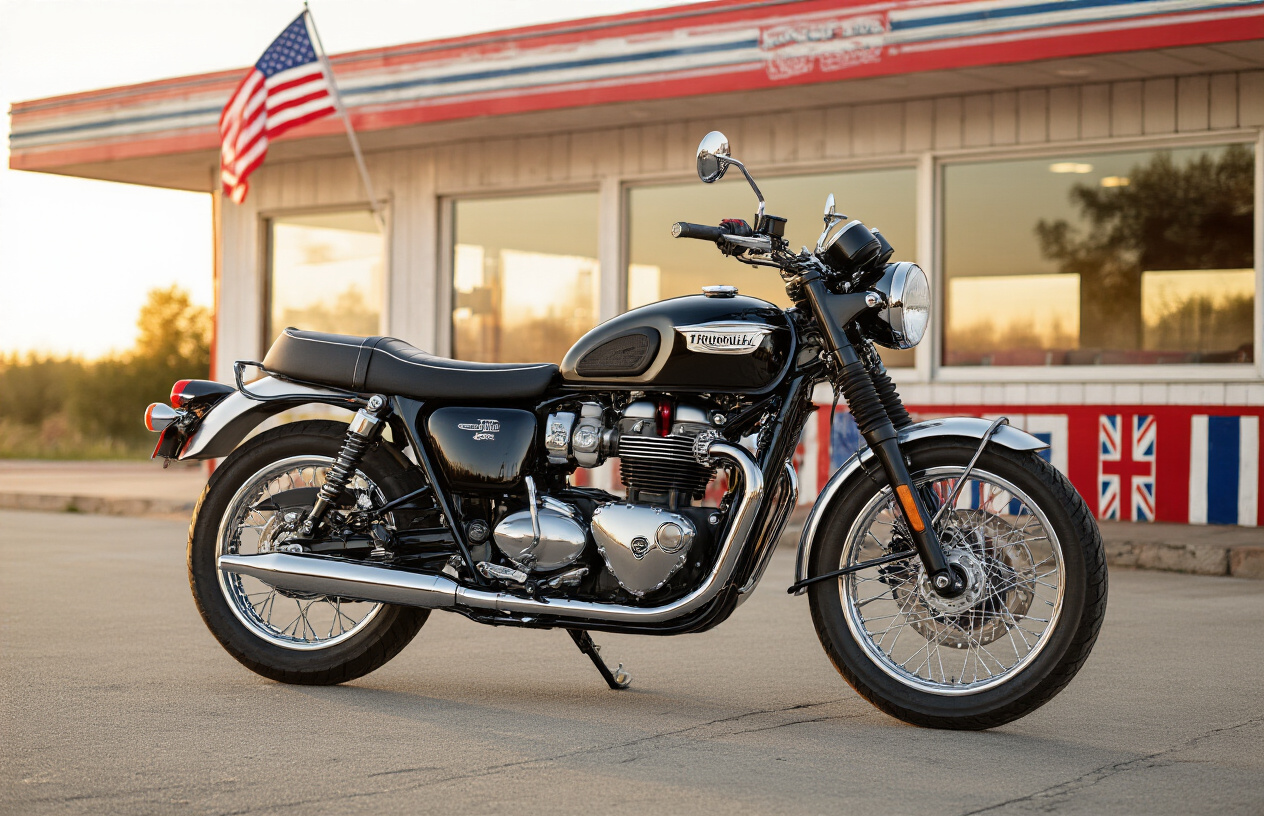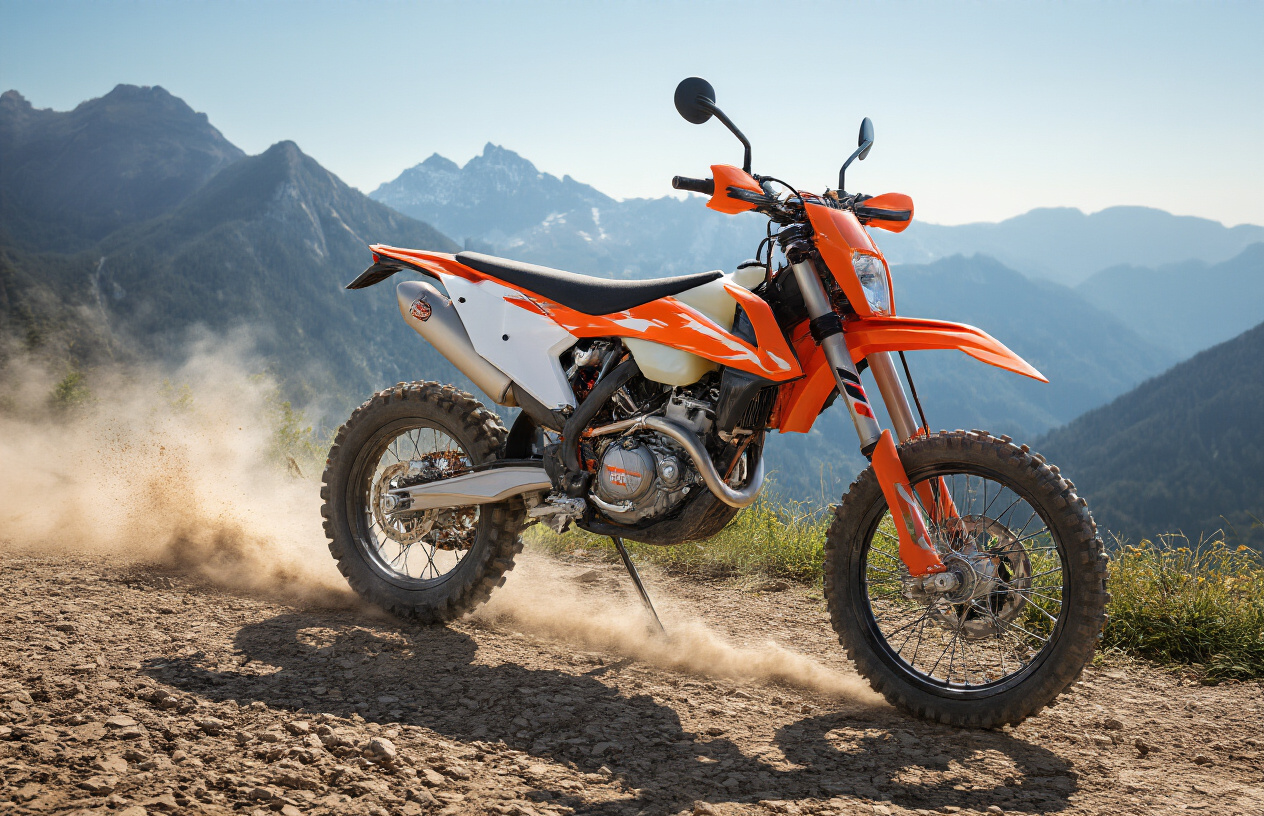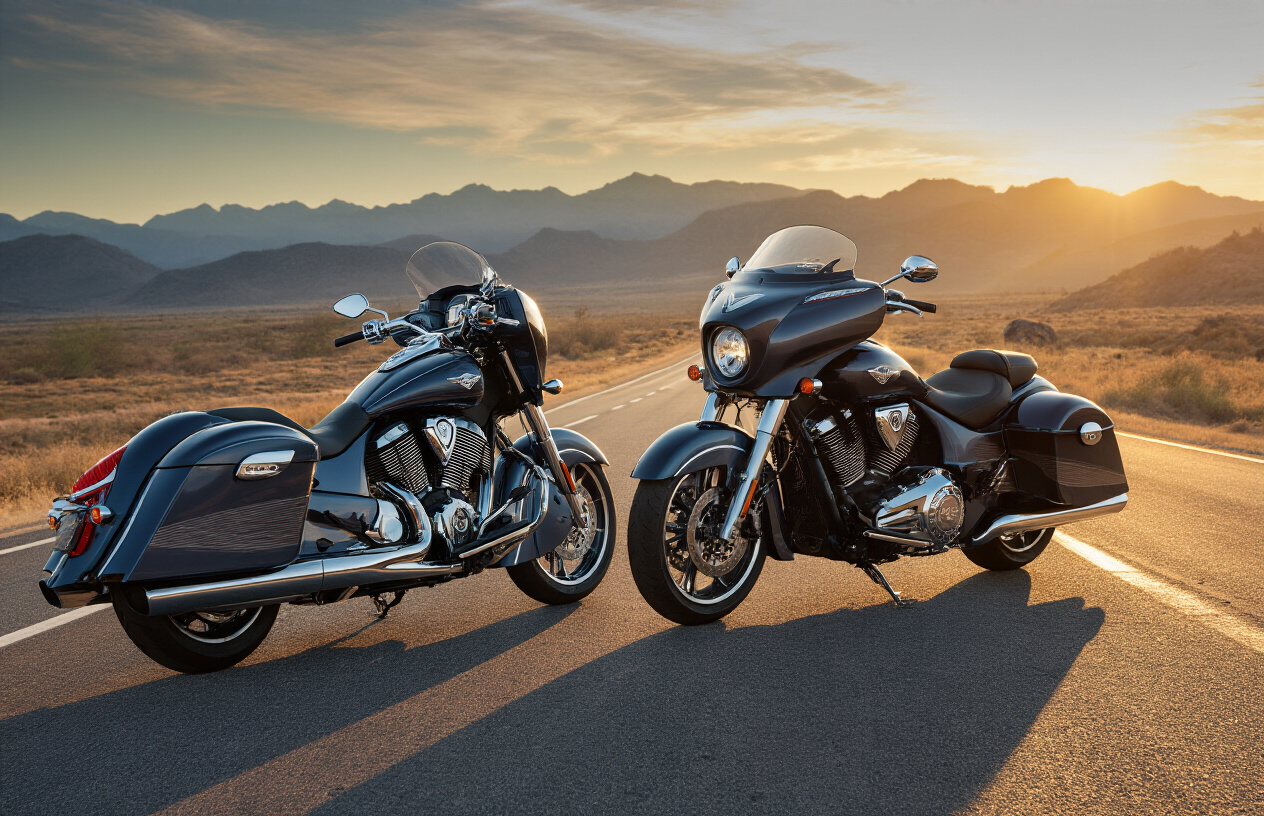
Blog

  • What Makes the Best Touring Bike in USA? Versatility, Durability, and Comfort

    What Makes the Best Touring Bike in USA? Versatility, Durability, and Comfort

    https://amzn.to/45nThIi

    Ever found yourself 60 miles into a cross-country trek with a sore back and a bike frame that’s wobbling under your gear? Been there. The difference between an epic adventure and a painful slog often comes down to one decision: choosing the right touring bike.

    I’ve spent 15 years testing touring bikes across America’s diverse landscapes, from the smooth coastal highways of California to the punishing gravel roads of Colorado.

    What makes the best touring bike in USA isn’t fancy paint jobs or trendy accessories. It’s the perfect blend of versatility to handle any terrain, durability that won’t leave you stranded in the middle of nowhere, and enough comfort to keep you pedaling day after day.

    But here’s what most retailers won’t tell you about those sleek models in their showrooms…

    Understanding Touring Bike Essentials
    Understanding Touring Bike Essentials

    Key features that define a true touring bike

    Ever noticed how touring bikes look different from your regular road bike? That’s because they’re built for the long haul – literally.

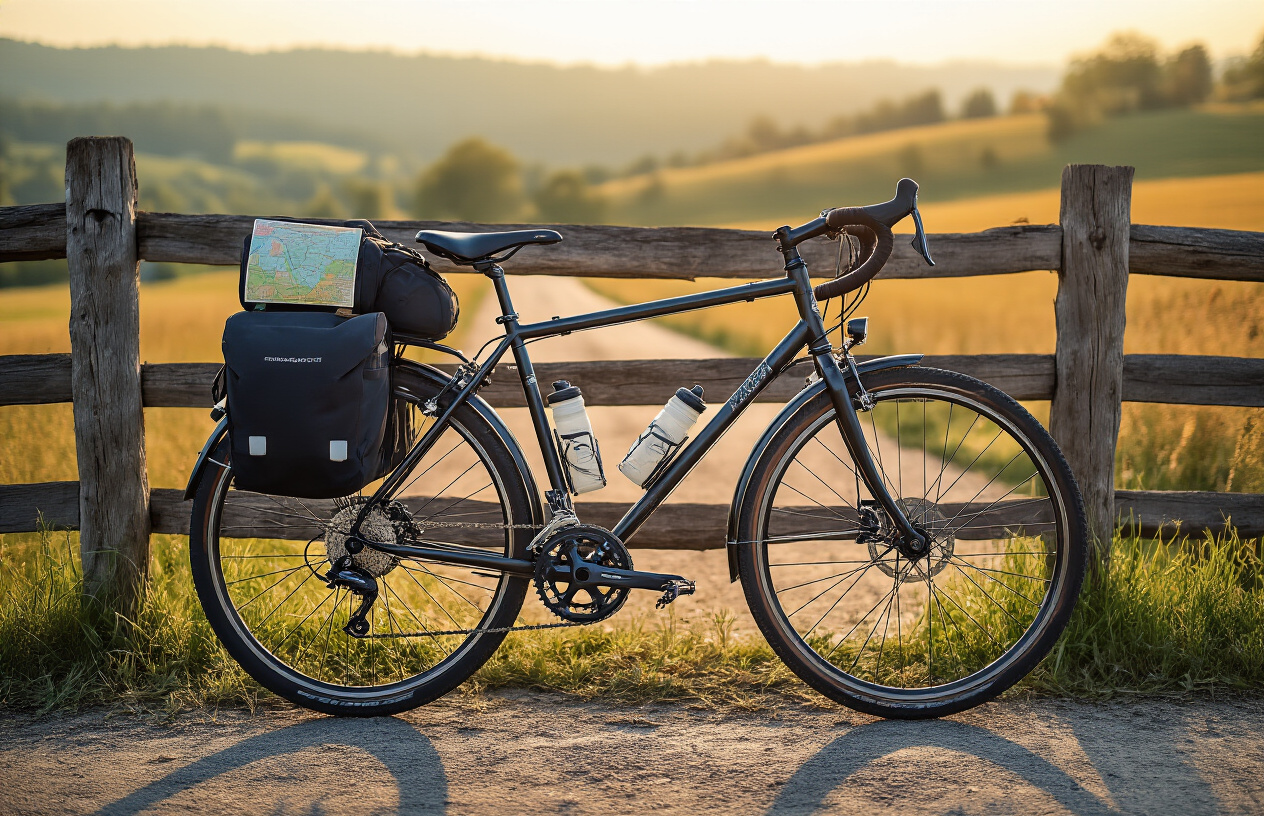
    True touring bikes have stronger frames, typically made from steel or sometimes aluminum, that can handle heavy loads without complaining. They’re not trying to win races; they’re built to be your reliable companion for thousands of miles.

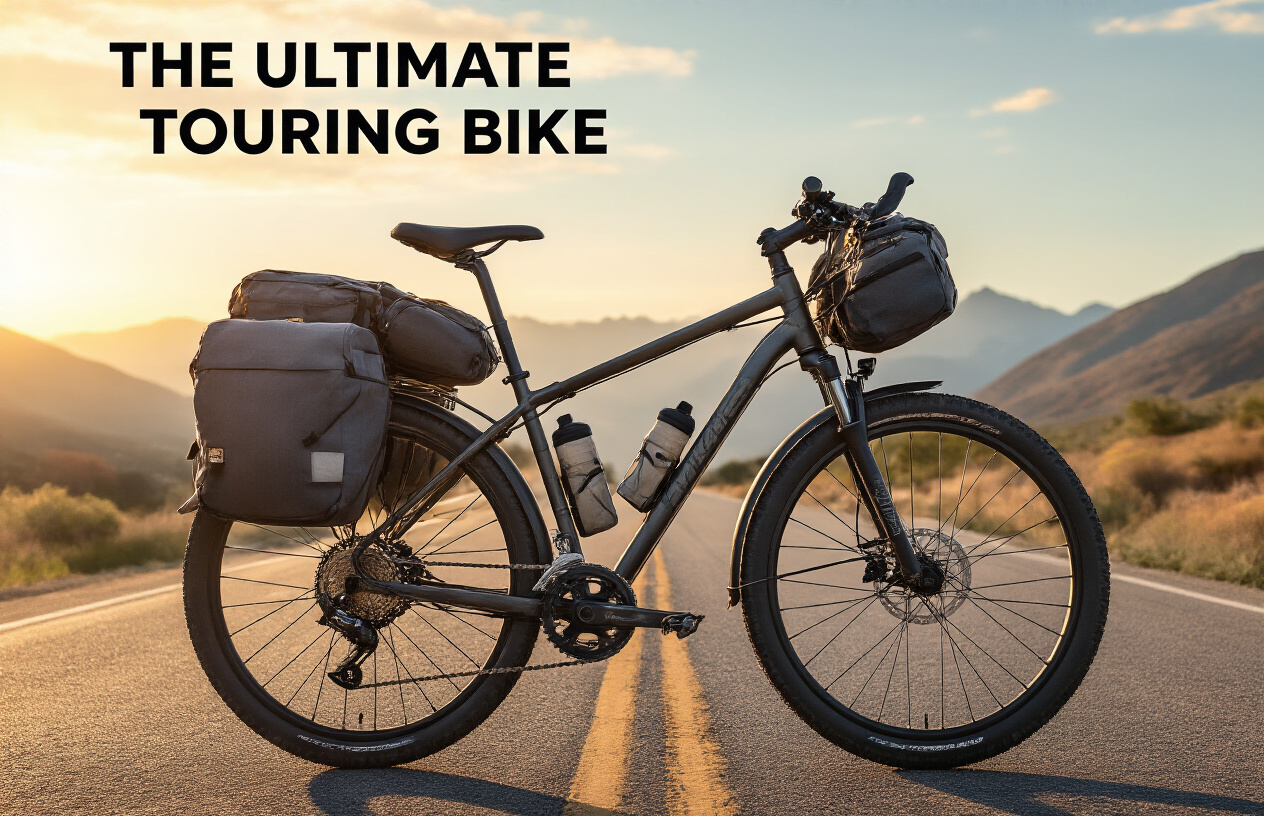
    Look at the wheels – they’re usually 26-inch or 700c with extra spokes for strength. And those tires? Wider than road bikes (usually 32-38mm) to absorb bumps and provide stability when you’re carrying panniers full of gear.

    The geometry tells you everything: longer wheelbases for stability, relaxed angles for comfort over speed, and higher handlebars to keep your back happy after 8 hours of riding.

    Then there’s the gearing – touring bikes give you those super-low granny gears that’ll get you and your 50 pounds of gear up steep mountain passes. Triple cranksets aren’t outdated here; they’re essential.

    How American roads influence touring bike design

    American roads throw everything at cyclists. Smooth highways, potholed country roads, gravel sections, and everything in between.

    That’s why the best touring bikes in the USA have evolved to handle this variety. They need more tire clearance than European models because our rural roads can suddenly turn to gravel or chip-seal.

    The distance between towns is another factor. In Europe, you might find accommodations every 20-30 miles. Here? You might pedal 80+ miles between services, meaning your bike needs to carry more gear, food, and water.

    American-designed touring bikes often feature:

    • More mounting points for extra water bottles
    • Stronger rear racks rated for heavier loads
    • Slightly more upright positions for all-day comfort
    • Disc brakes becoming standard for reliable stopping in varied terrain

    Balancing performance with long-distance comfort

    No one wants to ride a sluggish bike for weeks on end. But neither do you want something so aggressive that your back and neck scream after day three.

    The sweet spot? A touring bike that responds when you want to push, but doesn’t punish you for sitting upright occasionally to take in the view.

    This balance comes from thoughtful component choices. Brooks saddles might weigh more than racing seats, but your sit bones will thank you after 500 miles. Wider handlebars with multiple positions let you shift your weight throughout the day.

    Suspension isn’t common on pure touring bikes, but many feature carbon or steel forks that absorb vibration naturally. Some even incorporate clever flex points in the frame to take the edge off rough roads without compromising load capacity.

    The best touring bikes don’t feel like compromises – they feel like they were designed specifically for the adventure you’re on.

    Versatility: The Heart of Superior Touring Bikes
    Versatility: The Heart of Superior Touring Bikes

    All-terrain capability for varied American landscapes

    The perfect touring bike doesn’t flinch when the pristine asphalt suddenly turns to gravel. Or when that scenic byway becomes a dirt path. Because let’s be honest – the most breathtaking views in America rarely sit conveniently alongside perfect roads.

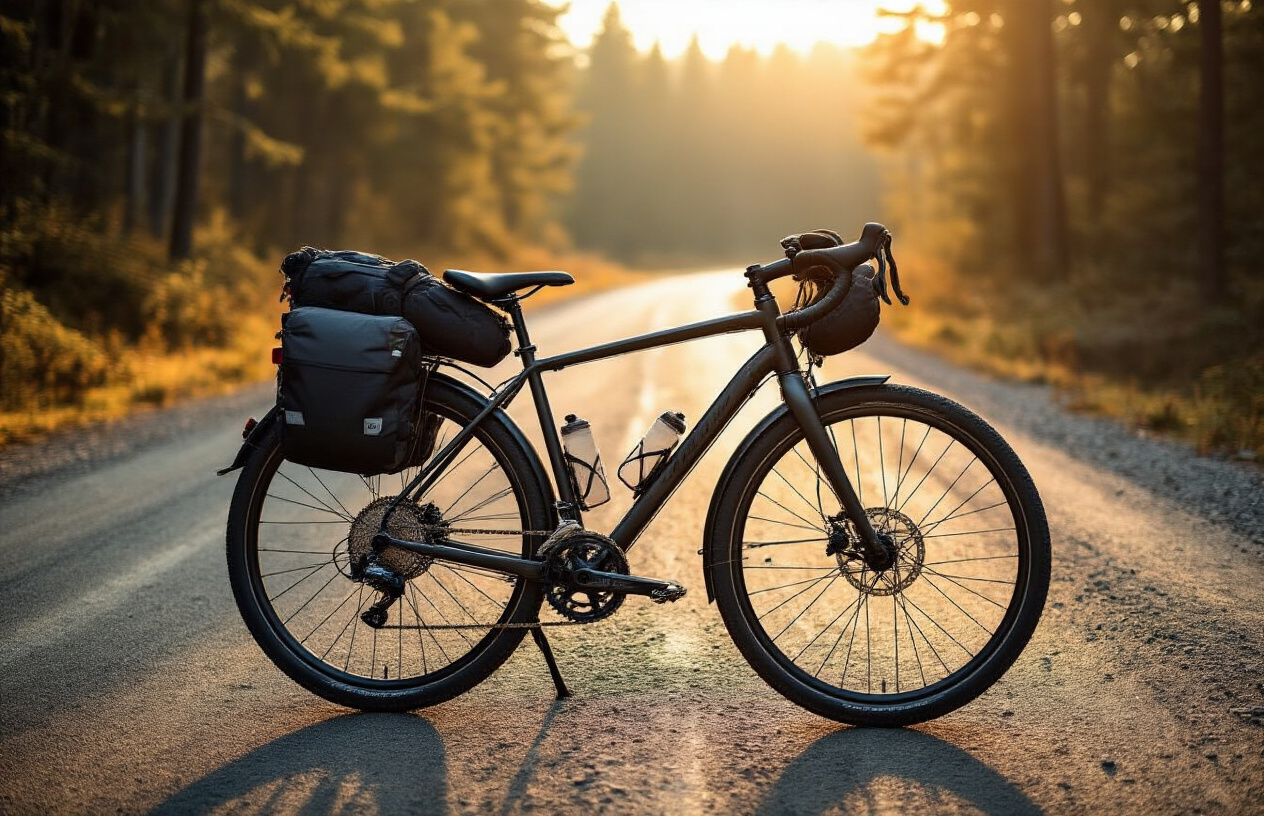
    From the rugged Pacific Coast Highway to the rolling hills of the Blue Ridge Parkway, a top-tier touring bike handles it all. These bikes feature slightly wider tires (usually 32-42mm) with a tread pattern that grips multiple surfaces without dragging you down on pavement.

    What separates good from great? The frame geometry. The best touring bikes sit in that sweet spot – relaxed enough to soak up bumps but responsive enough to navigate technical descents when you venture off the beaten path.

    Cargo capacity without sacrificing handling

    You’re packing for weeks, not hours. Your touring bike needs to carry your life without feeling like you’re steering a loaded truck.

    Quality touring bikes distribute weight intelligently. Lower mounting points keep your center of gravity down where it belongs. When your panniers are fully loaded, the bike should still corner predictably.

    Look for:

    • Front and rear rack compatibility
    • Multiple bottle cage mounts
    • Accessory mounts on the fork
    • Proper frame triangles for bag attachment

    The difference between amateur and professional-grade touring bikes? How they handle when loaded. The best ones feel balanced whether you’re carrying camping gear for a month or just a change of clothes.

    Weather adaptability for cross-country journeys

    Ride across America and you’ll experience everything from desert heat to mountain thunderstorms – sometimes in the same day.

    Superior touring bikes accommodate these extremes with:

    • Full-length fender compatibility
    • Water-resistant cable routing
    • Reliable disc brakes that perform in wet conditions
    • Drivetrain components that resist grit and moisture

    Your touring bike shouldn’t just survive different weather conditions – it should perform consistently through them. Quality models use sealed bearings and corrosion-resistant materials that stand up to whatever Mother Nature throws at you.

    Customization options for different touring styles

    Some riders want speed. Others prioritize comfort. The best touring bikes adapt to your personal style.

    Look for frames with:

    • Multiple hand positions on handlebars
    • Adjustable stem height
    • Versatile gearing options
    • Tire clearance flexibility

    The beauty of a truly versatile touring bike is that it evolves with you. Maybe you start with traditional drop bars but later switch to butterfly bars for more upright comfort. Perhaps your first tour is credit-card style with minimal gear, but next year you’re tackling the Great Divide with camping equipment.

    The finest touring bikes grow with your ambitions, accommodating your changing needs without requiring a completely new bike.

    Durability Factors That Matter
    Durability Factors That Matter

    A. Frame materials that withstand thousands of miles

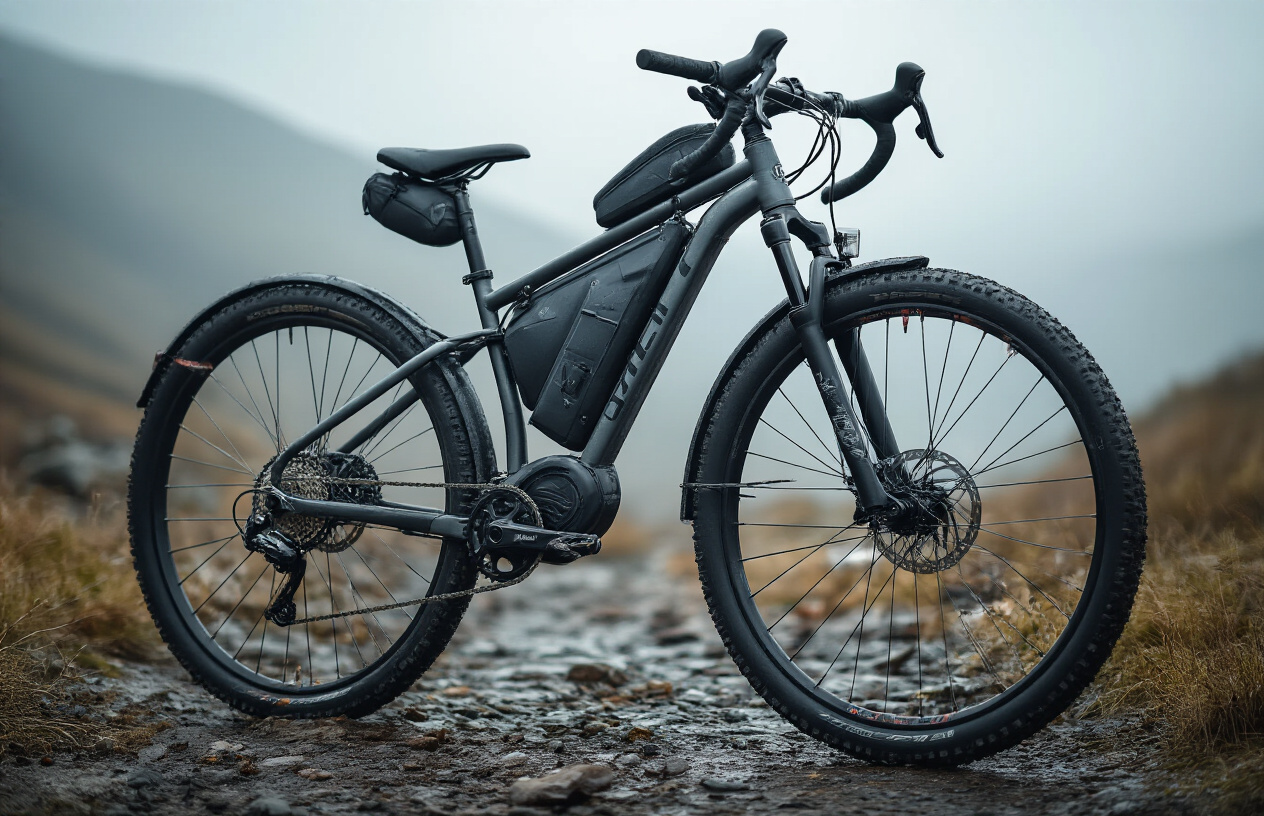
    Steel isn’t just nostalgia talking – it’s still king for serious touring. Why? When you’re 500 miles from nowhere and your frame cracks, you want something any small-town welder can fix. Chromoly steel frames like those from Surly and Trek’s 520 model forgive abuse that would trash carbon or aluminum.

    Titanium is the premium option if budget isn’t an issue. It’s basically immortal, won’t corrode, and rides like a dream. Brands like Moots and Lynskey make ti frames that owners pass down like heirlooms.

    Aluminum has come a long way, but I’d still be cautious for transcontinental adventures. It’s light and stiff but can develop fatigue cracks with no warning.

    B. Component longevity in challenging conditions

    The best touring bikes use components that laugh at adversity. Shimano’s Deore XT groupset isn’t their fanciest, but mechanics worldwide will tell you it’s bombproof. Those fancy electronic shifters? They’re awesome until you can’t charge them in the backcountry.

    Sealed cartridge bearings in hubs make the difference between smooth sailing and grinding to a halt. White Industries and Phil Wood hubs cost more upfront but will outlast multiple bikes.

    Steel racks from Tubus can handle 80+ pounds without flinching. I’ve seen them survive crashes that destroyed everything else on the bike.

    C. Maintenance considerations for extended trips

    The perfect touring bike needs exactly zero proprietary parts. Standard-sized bolts, cables any bike shop stocks, and components you can service with basic tools – that’s what you want.

    Bar-end shifters might seem old-school, but they’re virtually indestructible compared to integrated brake/shift levers. When they do wear out (eventually), they’re cheap to replace.

    Cable-actuated disc brakes give you stopping power without the complexity of hydraulics. TRP Spyres and Avid BB7s are serviceable anywhere with basic tools.

    Always choose threaded bottom brackets over press-fit for touring. They’re less prone to creaking and can be removed with portable tools when trouble strikes.

    D. American-made options with proven reliability

    Handbuilt in the USA still means something in the touring world. Bikes from Co-Motion in Oregon and Waterford in Wisconsin aren’t just patriotic purchases – they’re investments in craftsmanship.

    Many American builders offer lifetime warranties because they stand behind their work. Rodriguez Cycles in Seattle builds custom touring rigs that customers ride for decades.

    What you’re paying for isn’t just the name – it’s the meticulous attention to alignment, joint quality, and finish work that prevents problems 3,000 miles into your journey.

    E. Tire selection for durability and performance

    Tire choice can make or break your tour. The Schwalbe Marathon Plus might weigh a ton, but there’s a reason you’ll see them on bikes circling the globe – they’re nearly puncture-proof.

    Width matters more than you think. 35-45mm tires give you the perfect balance of comfort, control and efficiency on varied surfaces. Anything narrower will limit where you can go.

    Tubeless setups are finally reliable enough for touring. They seal small punctures automatically and let you run lower pressures for comfort without pinch flat risks.

    For mixed-terrain touring, the Teravail Sparwood and Continental Tour Ride give you remarkable versatility without sacrificing durability. Remember, the best tire is the one that never leaves you stranded.

    Comfort Features Worth the Investment
    Comfort Features Worth the Investment

    Ergonomic Contact Points That Prevent Fatigue

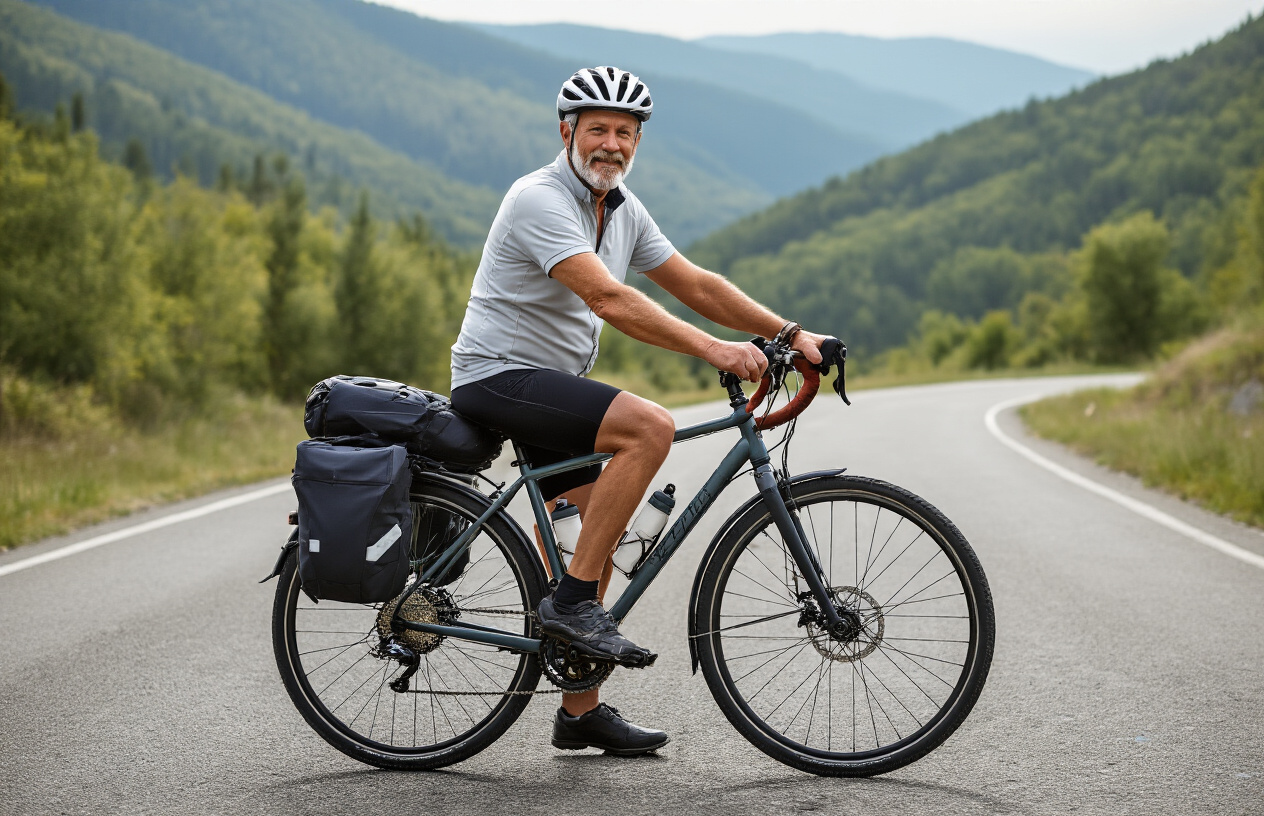
    When you’re grinding out 80 miles a day for weeks on end, those three little spots where you touch your bike become everything. Your hands, feet, and butt will thank you for investing in quality contact points.

    Handlebars make a massive difference. Drop bars give you multiple hand positions to switch between when your wrists start screaming. Some touring cyclists swear by butterfly bars that offer even more options. And don’t cheap out on bar tape – thick, cushioned tape is worth every penny when you’re eight hours into your day.

    Saddles are deeply personal. What works for your buddy might torture you. The best touring saddles typically have a wider profile to support your sit bones properly. Brooks leather saddles have a cult following among tourers for good reason – they mold to your anatomy over time, creating a custom fit.

    Vibration Dampening Technologies

    Roads beat you up. That constant vibration seeps into your bones hour after hour until you’re absolutely wrecked. Smart bike builders know this.

    Steel frames naturally absorb some road buzz, which explains why they’re so popular for touring. But modern carbon forks take things to another level, filtering out high-frequency vibrations before they reach your hands.

    Wider tires at lower pressure act as your first line of defense. Running 35-45mm tires at 40-60psi creates a floating-on-air feeling that saves your body from punishment.

    Proper Bike Fitting for Multi-Day Rides

    Touring geometry isn’t like race geometry. You need a position you can maintain for 8 hours daily without your back staging a revolt.

    A proper touring fit generally means:

    • Slightly higher handlebars
    • A bit less reach
    • More stack height
    • Longer chainstays for stability

    Getting professionally fitted before a major tour is money well spent. What feels fine for a 2-hour ride might become unbearable by day three of your adventure.

    Remember that fit changes as you ride. Your flexibility improves, and your position naturally adjusts. Build in some adjustment capability with spacers and stems that can be modified on the road.

    Top Touring Bikes in the American Market
    Top Touring Bikes in the American Market

    A. Best options under $1,500

    When you’re just getting your feet wet with touring, you don’t need to empty your bank account. The Surly Long Haul Trucker dominates this category for good reason – it’s built like a tank but won’t cost you one. At around $1,350, you’re getting chromoly steel that absorbs road buzz and can handle loads that would make other bikes cry.

    The Salsa Journeyman comes in even cheaper at about $1,100. While not a dedicated touring beast, it handles light-to-medium loads admirably and transitions nicely to commuting when you’re not crossing state lines.

    Don’t sleep on the Marin Four Corners either. For under $1,300, you’re getting a versatile steel frame with plenty of mounting points for racks and fenders. The wider tire clearance means you can tackle rougher terrain when the pavement ends.

    B. Mid-range champions ($1,500-$3,000)

    This sweet spot is where touring bikes really shine. The Trek 520 at around $1,900 has been the gold standard for decades. The current model features bar-end shifters (more reliable when you’re 100 miles from nowhere) and a frame geometry that stays comfortable after eight hours in the saddle.

    Kona’s Sutra at $2,200 brings disc brakes and a more aggressive riding position for those who want speed with their touring capability. Their stock racks are surprisingly good—unlike the flimsy afterthoughts some manufacturers bolt on.

    Co-Motion Cascadia hits the upper end of this range at $2,800, but you’re getting American-made quality and customization options that mass-produced bikes can’t match. Their attention to welding detail and component selection is immediately apparent when you’re grinding up mountain passes.

    C. Premium touring machines for serious adventurers

    When money’s no object and the road calls, these bikes answer with authority. The Thorn Nomad Mk3 will set you back about $3,500, but it’s essentially indestructible. The Reynolds 853 steel frame can handle loads approaching 400 pounds, and the rohloff hub means virtually zero maintenance for 25,000+ miles.

    Rivendell’s Atlantis ($4,200) isn’t just a bike—it’s practically art. Hand-brazed in small batches, these bikes feature custom geometries and thoughtful touches like triple water bottle mounts and clearance for massive tires.

    For those seeking the ultimate in customization, Seven Cycles’ Expat S ($6,000+) offers titanium frames built specifically to your measurements. The ride quality is otherworldly—resilient yet responsive—and the frames come with a lifetime warranty.

    D. Best value for money choices

    The Jamis Aurora Elite punches way above its $1,400 price tag. The Reynolds steel frame, reliable Shimano 105 components, and included rear rack make it ready for adventure straight from the shop.

    For $1,800, the Fuji Touring Disc delivers hydraulic brakes, a bombproof wheelset, and frame geometry that’s been refined over decades. You could spend twice as much and not get significantly better performance.

    The wild card here is the REI Co-op ADV 2.1 at $1,299. While REI might not have the heritage of other brands, they’ve quietly created an excellent touring platform with surprising component quality and thoughtful features like dynamo hub compatibility.

    conclusion

    The perfect touring bike for American adventurers strikes an essential balance between versatility, durability, and comfort. As we’ve explored, versatility allows you to tackle diverse terrains across the country’s varied landscapes, while robust construction ensures your bike withstands thousands of miles without failing when you’re far from assistance. Thoughtful comfort features transform what could be punishing long-distance rides into enjoyable journeys that your body can sustain day after day.

    Whether you’re drawn to the reliability of Surly’s Long Haul Trucker, the refined engineering of a Co-op Cycles ADV, or another top contender we’ve discussed, remember that the best touring bike is ultimately the one that matches your specific travel style and planned adventures. Take time to test ride several models, focusing on how they handle when loaded with gear. Your perfect touring companion awaits—ready to carry you reliably through countless American landscapes and the unforgettable experiences they contain.
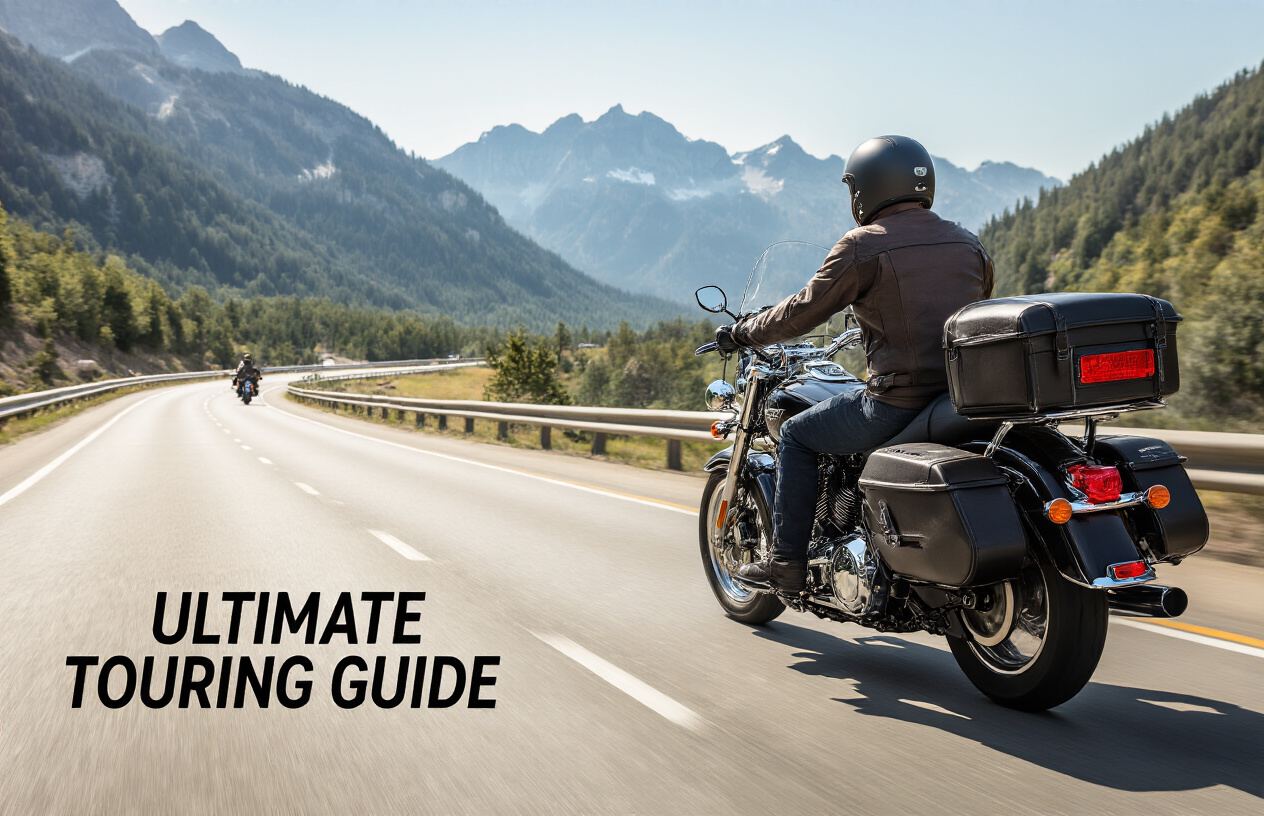
  • The Ultimate Guide to Touring Motorcycles in USA: Comfort, Maintenance, and Performance

    The Ultimate Guide to Touring Motorcycles in USA: Comfort, Maintenance, and Performance

    Ever wondered why some riders can cruise for 500 miles while others are begging for mercy after 100? It’s not willpower – it’s the bike, buddy.

    The difference between a good touring motorcycle and a great one is like choosing between coach and first class for a cross-country flight. Yeah, both get you there, but one leaves you needing a chiropractor.

    In this guide, we’ll break down everything about touring motorcycles in USA that the dealerships won’t tell you – from which bikes actually deliver all-day comfort to the maintenance secrets that’ll save your trip (and wallet).

    Whether you’re planning your first multi-state adventure or upgrading your current ride, what you learn here might completely change which bike you’ve got your eye on.

    Choosing the Perfect Touring Motorcycle

    Choosing the Perfect Touring Motorcycle

    Understanding Different Types of Touring Bikes

    Touring motorcycles aren’t one-size-fits-all. Think of them as tools – you need the right one for your specific journey.

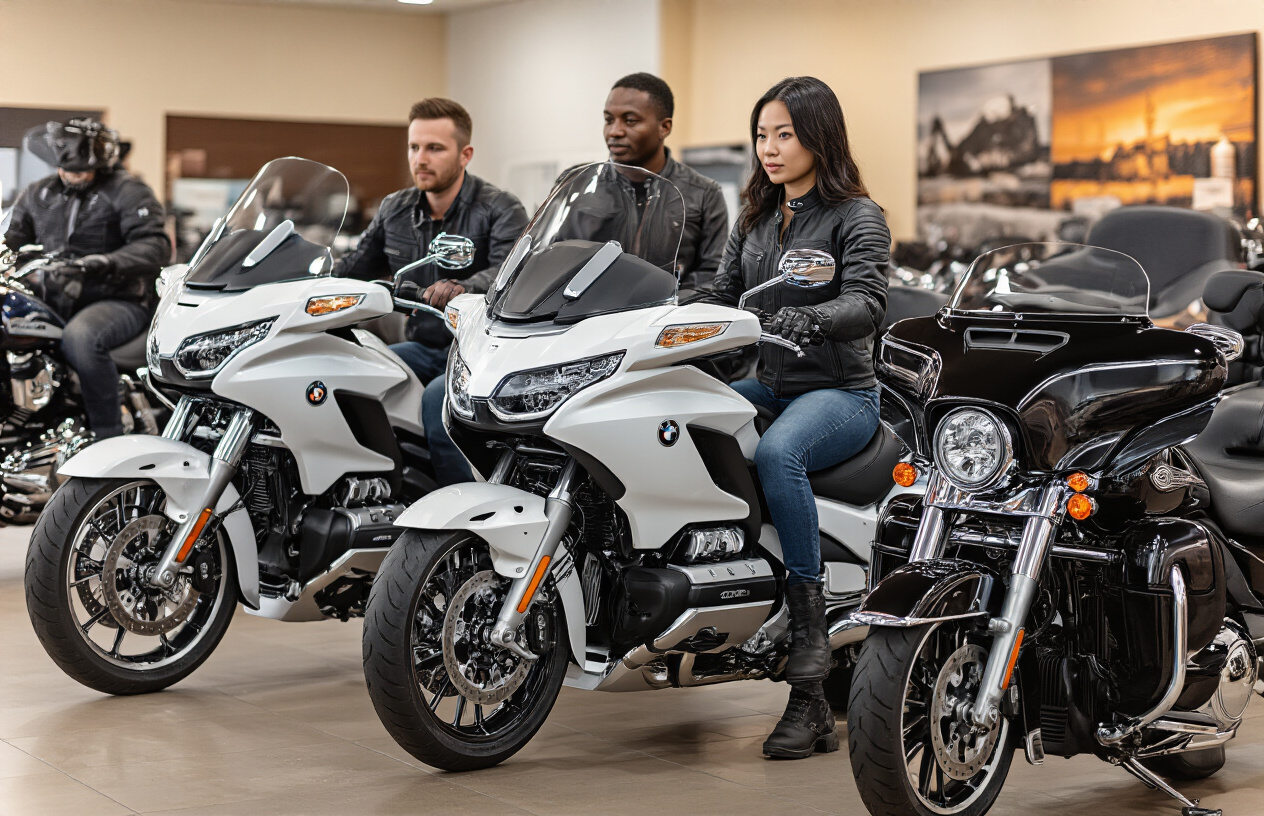
    Full-dress tourers like the Honda Gold Wing and Harley-Davidson Ultra Limited come loaded with everything but the kitchen sink. Windshields, fairings, heated seats, ridiculous storage space, and entertainment systems that rival your living room. They’re built for those cross-country trips where comfort is non-negotiable.

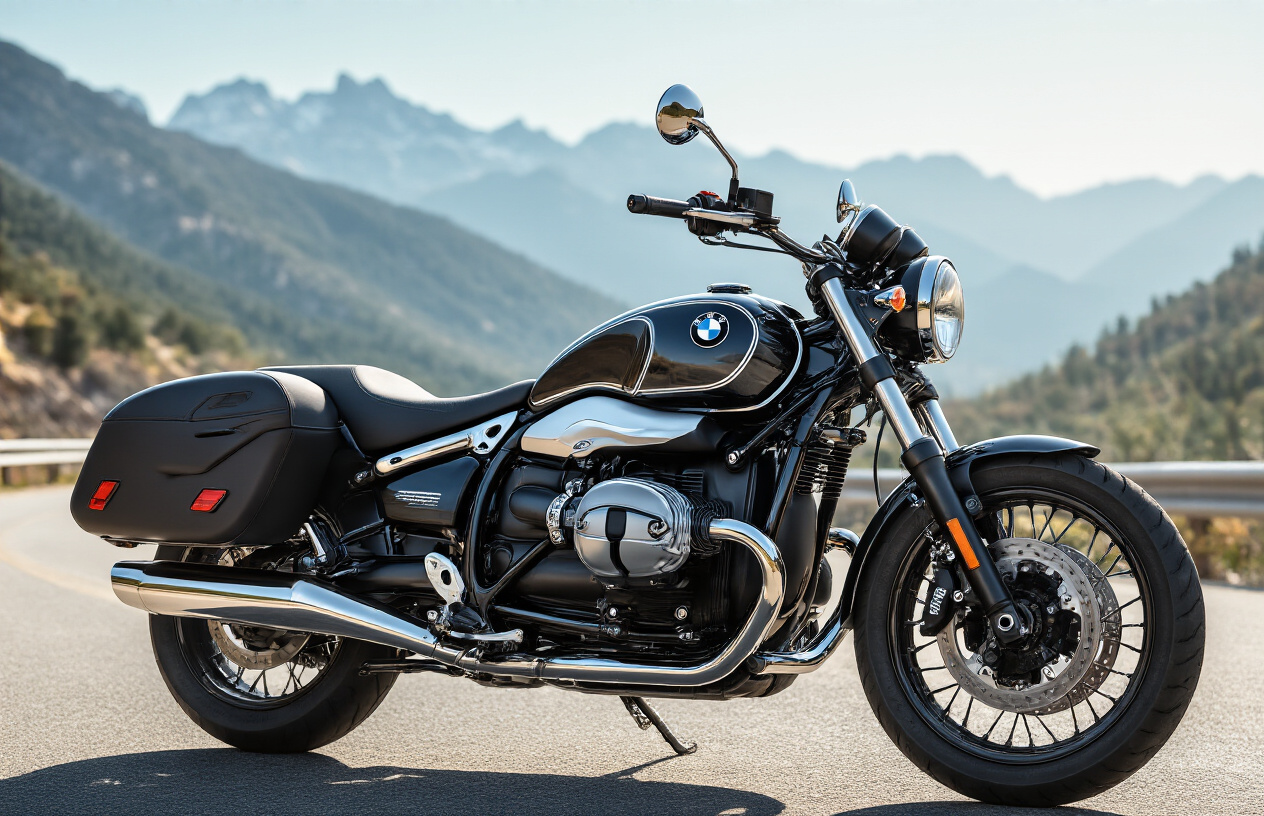
    Sport-tourers (think BMW R1250RT or Kawasaki Concours) split the difference between speed demons and comfort cruisers. They pack enough storage and wind protection for long hauls but still corner like they mean business. Perfect for riders who get bored on straight highways.

    Adventure tourers like the BMW GS series or Triumph Tiger are the Swiss Army knives of the motorcycle world. They’ll take you from smooth asphalt to dirt roads without breaking a sweat. A bit taller, rugged suspension, and that “I could cross a desert if I wanted” attitude.

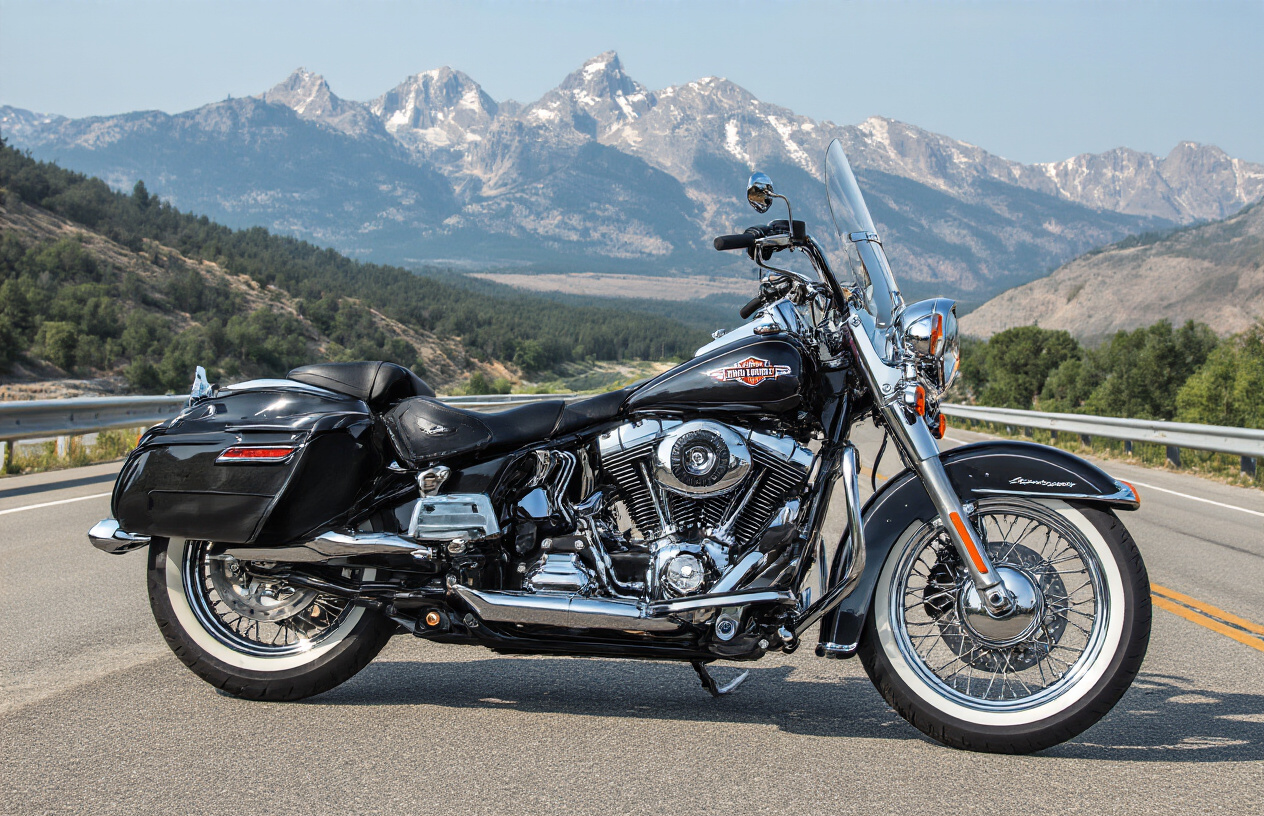
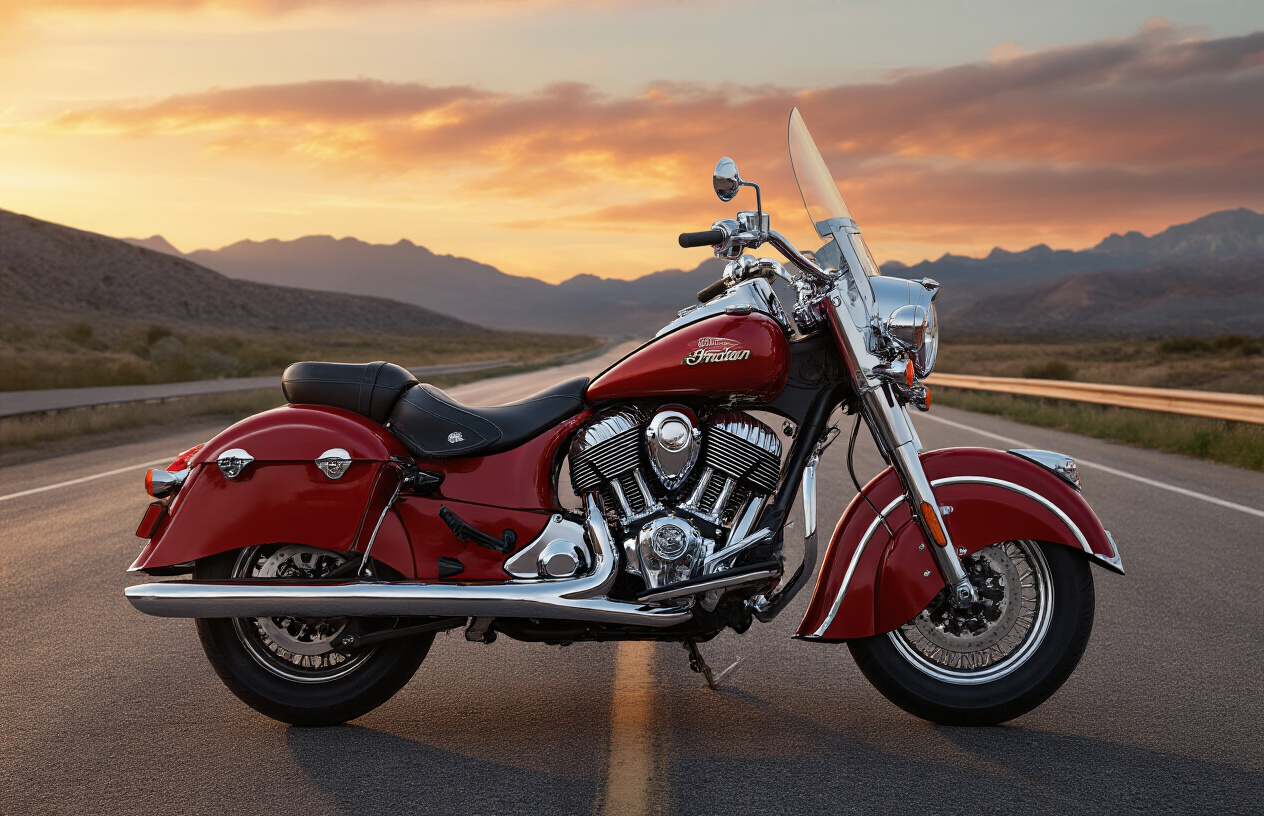
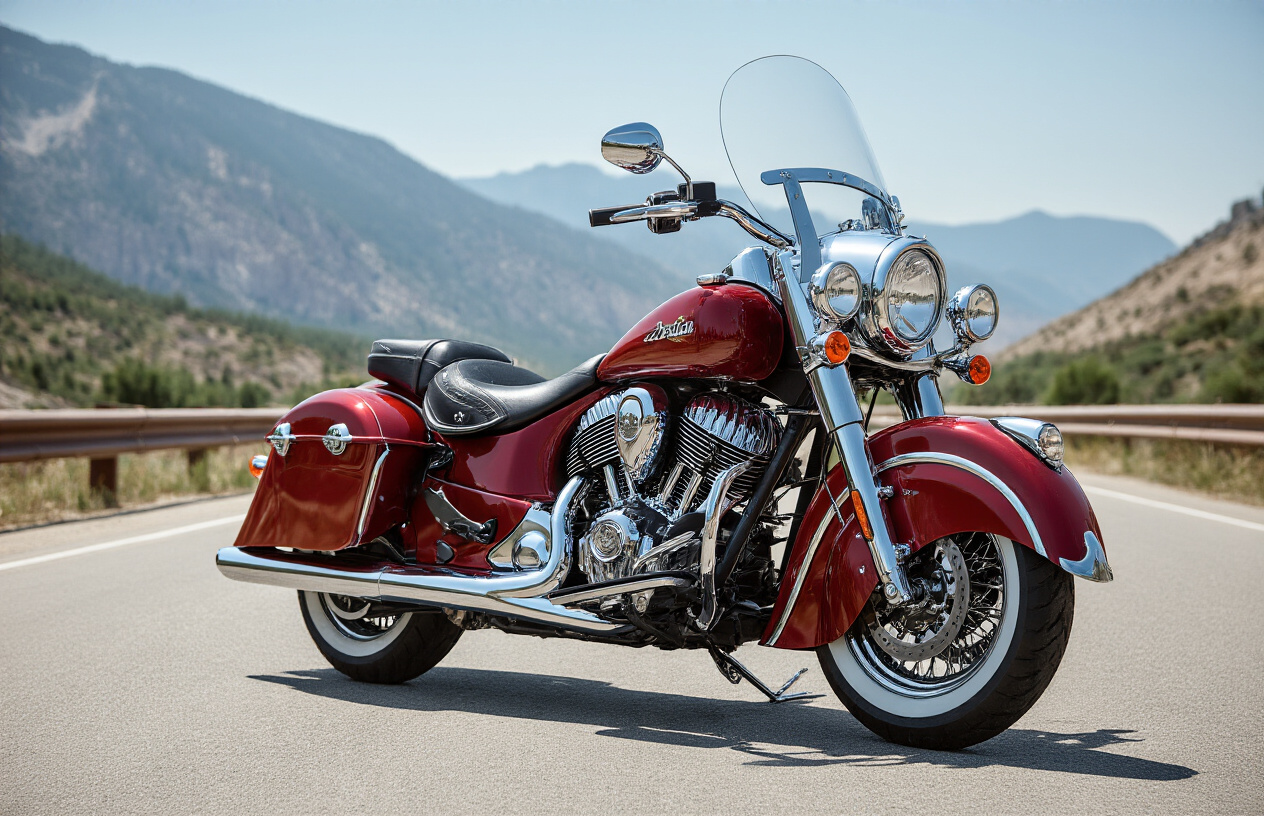
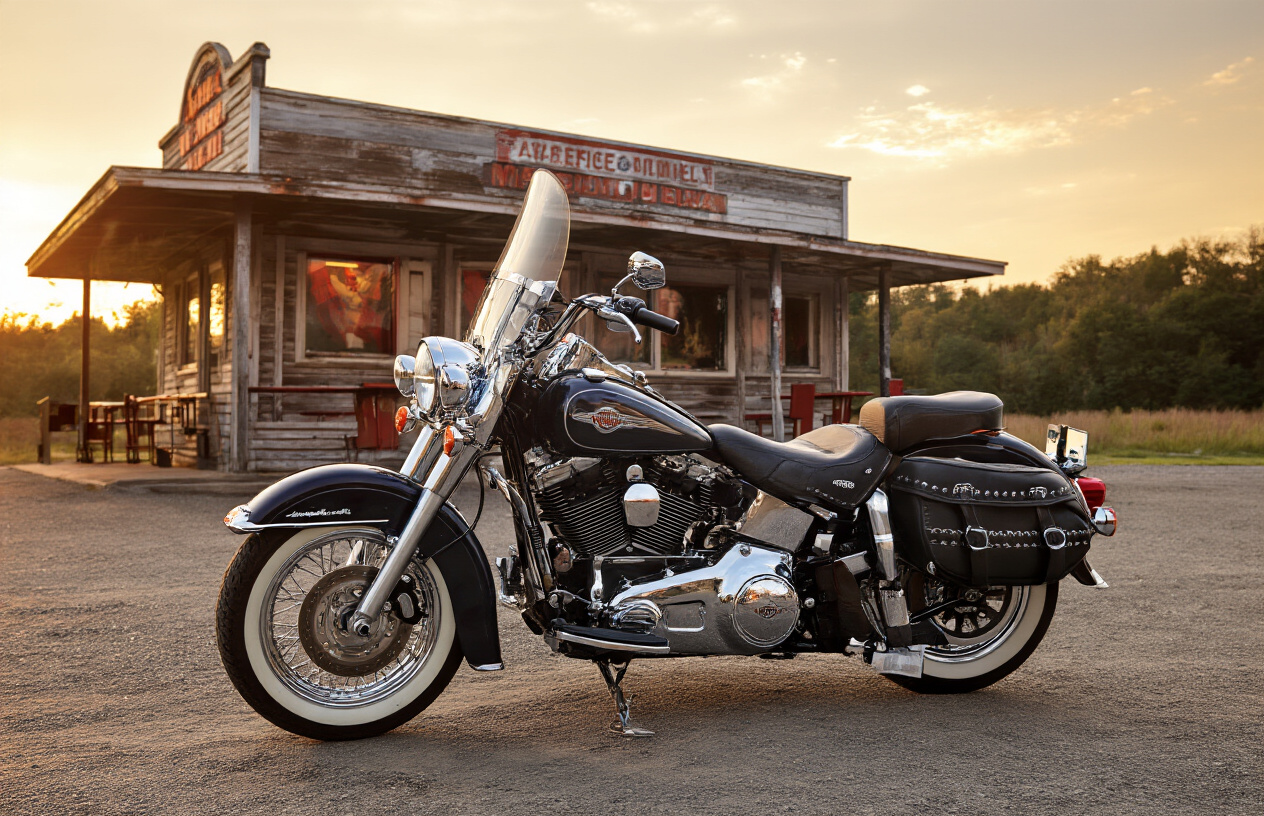
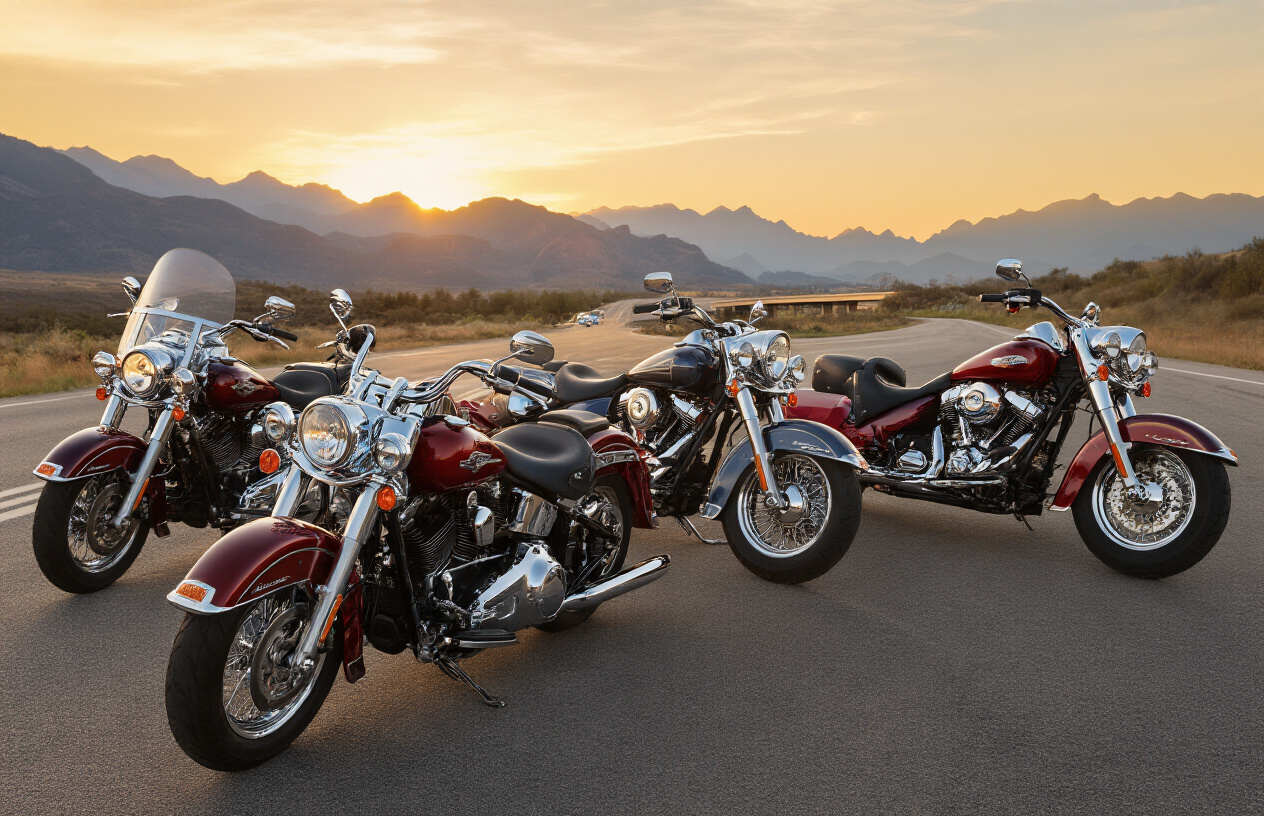
    Bagger-style cruisers – those Indian Chieftains and Harley Street Glides – blend American cruiser vibes with practical touring capabilities. Lower seat heights, relaxed riding positions, and enough chrome to blind oncoming traffic.

    Key Features for Long-Distance Comfort

    Riding for 8+ hours is a whole different ballgame than zipping to the coffee shop. The comfort features that seemed like luxuries become necessities real quick.

    Wind protection makes or breaks touring. A good windscreen diverts air around you instead of pummeling your chest for hours. Adjustable is better – what works at 65mph might be a noisy disaster at 75mph.

    Ergonomics matter more than anything. Your seat needs to support your tailbone properly – not just feel good during a 10-minute test ride. Handlebar position should let your arms relax, not stretch like you’re doing yoga. Footpeg placement determines whether your knees scream after an hour or stay happy all day.

    Modern tourers come with creature comforts that sound excessive until you’ve needed them: heated grips for those chilly mountain passes, cruise control to give your wrist a break, adjustable suspension that adapts to changing loads, and infotainment systems with GPS that save you from squinting at your phone.

    Weight and Balance Considerations

    Touring bikes are beasts – often tipping the scales at 800+ pounds fully loaded. That weight brings stability on highways but becomes a handful at parking lot speeds.

    Balance matters more than raw weight. A well-balanced 900-pound tourer can feel lighter than a poorly designed 700-pound bike. Test how the bike feels when you’re walking it around, especially when backing into parking spots.

    Center of gravity determines how a bike handles. Lower is generally better for touring – it keeps the bike planted and less susceptible to crosswinds. But too low, and you sacrifice ground clearance.

    Weight distribution between front and rear wheels affects everything from steering effort to stability. The best touring bikes maintain proper distribution even when loaded with passengers and luggage.

    Don’t forget to consider your own size in this equation. A bike that feels perfectly balanced for a 6’2″ rider might be unwieldy for someone 5’5″.

    Budget Options vs. Premium Models

    The price gap between entry-level and premium touring motorcycles is wider than the Grand Canyon. But the question isn’t just what you can afford – it’s what value you’re getting.

    Premium models like the BMW K1600 GTL or Harley CVO Limited (easily $30,000+) offer next-level refinement: smoother engines, sophisticated electronics packages, premium materials, and that “everything just works” feeling. The suspension components alone justify thousands in price difference when you’re covering 500 miles in a day.

    Mid-range options like Yamaha FJR1300 or Indian Challenger deliver 85% of the premium experience at 65% of the cost. You’ll sacrifice some features and refinement, but the core touring capabilities remain solid.

    Budget-friendly choices include used Japanese tourers (older Gold Wings hold up remarkably well) or converting standard bikes with aftermarket windscreens and luggage. Kawasaki Versys and Suzuki V-Strom models make excellent platforms for budget touring setups.

    Remember that the true cost includes maintenance, fuel efficiency, and reliability. That bargain-priced European tourer might cost more in the long run than the pricier Japanese bike with bulletproof reliability.

    Essential Comfort Features for Cross-Country Rides

    Essential Comfort Features for Cross-Country Rides

    A. Ergonomics and Rider Position

    Ever ridden 300 miles only to wake up feeling like you’ve been hit by a truck? That’s bad ergonomics talking. Touring bikes worth their salt position your body in a neutral stance—slightly forward lean, knees at a comfortable 90-degree angle, and arms relaxed.

    The best touring motorcycles like the Honda Gold Wing and BMW K1600 GTL come with adjustable handlebars and footpegs. That’s not just fancy marketing—it’s essential when you’re spending 8+ hours in the saddle. Many riders overlook this until they’re 500 miles into a trip with numb hands and locked knees.

    B. Windshield and Weather Protection

    Nothing ruins a scenic ride faster than being blasted by wind for hours. A proper windshield should direct air over your helmet, not slam it into your chest.

    Adjustable windshields are game-changers. Too hot? Lower it for some cooling airflow. Rain starting? Crank it up for maximum protection. Brands like Harley-Davidson and Indian offer electronically adjustable windshields—totally worth the extra cash.

    Don’t forget about hand guards and lower fairings. They seem insignificant until you ride through a 55-degree mountain pass or sudden downpour.

    C. Seat Comfort and Customization Options

    The stock seat on most bikes is a compromise. Even premium touring motorcycles benefit from upgrades.

    What makes a good touring seat? Dense foam that doesn’t compress over long distances, a wide platform to distribute weight, and a shape that prevents sliding forward during braking.

    Aftermarket options from Corbin, Saddlemen, and Russell Day-Long provide custom-fitted alternatives based on your riding position and body type. Many include gel inserts or heating elements for those chilly morning departures.

    D. Passenger Accommodations

    Your passenger deserves comfort too. Look for:

    • Dedicated grab rails positioned naturally
    • Separate backrest with adequate lumbar support
    • Footpegs aligned with their seating position
    • Enough width to prevent the “perching” feeling

    The Yamaha Venture and Indian Roadmaster excel here with heated passenger seats and backrests that can be adjusted independently. Smart design prevents that awkward helmet-bumping situation during braking.

    E. Luggage Systems and Storage Solutions

    The difference between stuffing everything in a backpack and having a proper luggage system is night and day.

    Hard cases offer security and weather protection but add width. Soft bags provide flexibility but less protection. The best touring setups feature:

    • Integrated side cases with quick-release mechanisms
    • Top case large enough for two full-face helmets
    • Tank bag for quick-access items
    • Smaller compartments for electronics, documents, and sunglasses

    Weight distribution matters enormously. Overload one side, and your bike handles like it’s drunk. The best systems let you balance weight low and centered.

    Mastering Motorcycle Maintenance on the Road

    Mastering Motorcycle Maintenance on the Road

    Pre-Trip Inspection Checklist

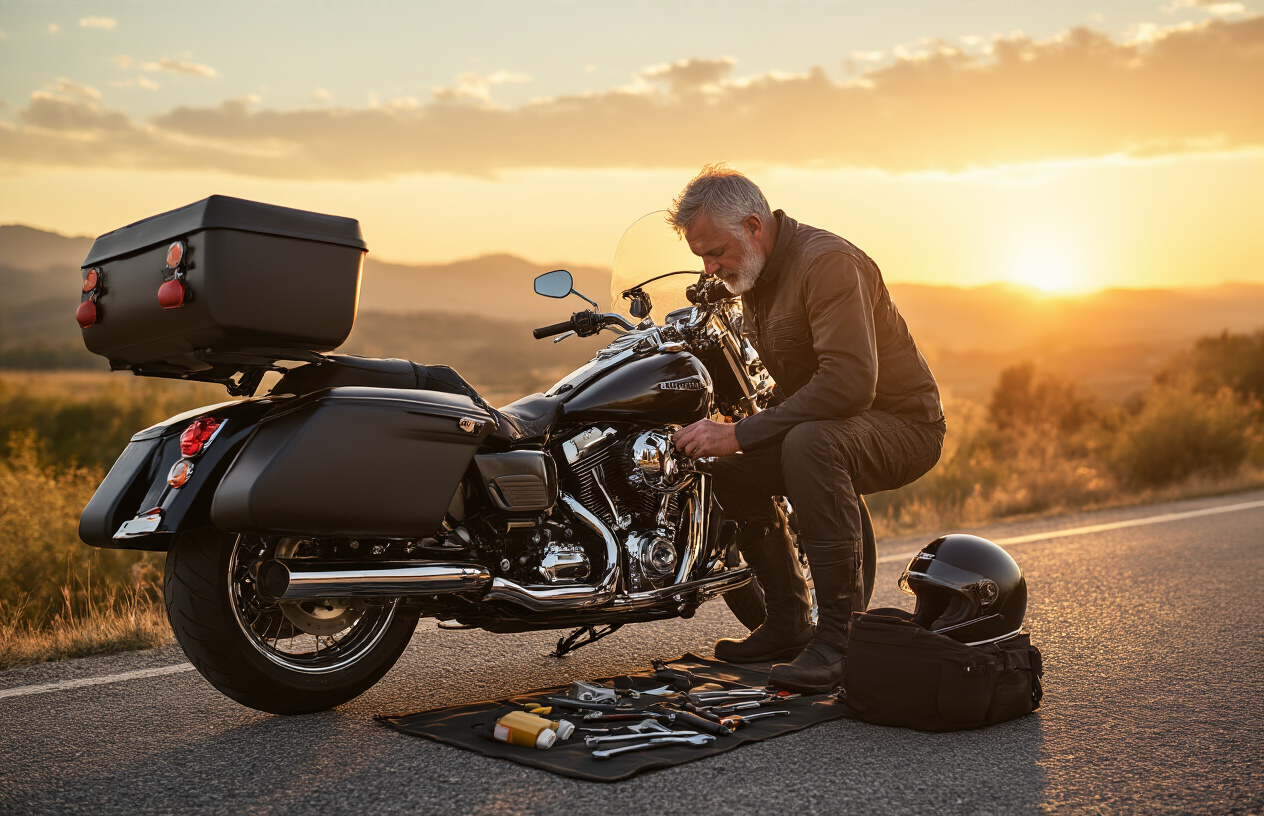
    Nothing kills a road trip faster than a preventable breakdown. Trust me, I’ve been there – stranded on a desert highway with a bike that wouldn’t start because I skipped checking my battery terminals.

    Before hitting the road, run through these essentials:

    • Tires: Check pressure cold, inspect for wear, and look for embedded objects
    • Fluids: Oil, coolant, brake fluid, and fork oil levels all good?
    • Chain: Proper tension and lubrication will save your sprockets
    • Lights: All working? Carry spare bulbs just in case
    • Controls: Throttle, clutch, and brake levers operating smoothly?
    • Battery: Clean terminals, proper charge, and secure connections
    • Fasteners: Any loose bolts, especially on handlebars and foot pegs?

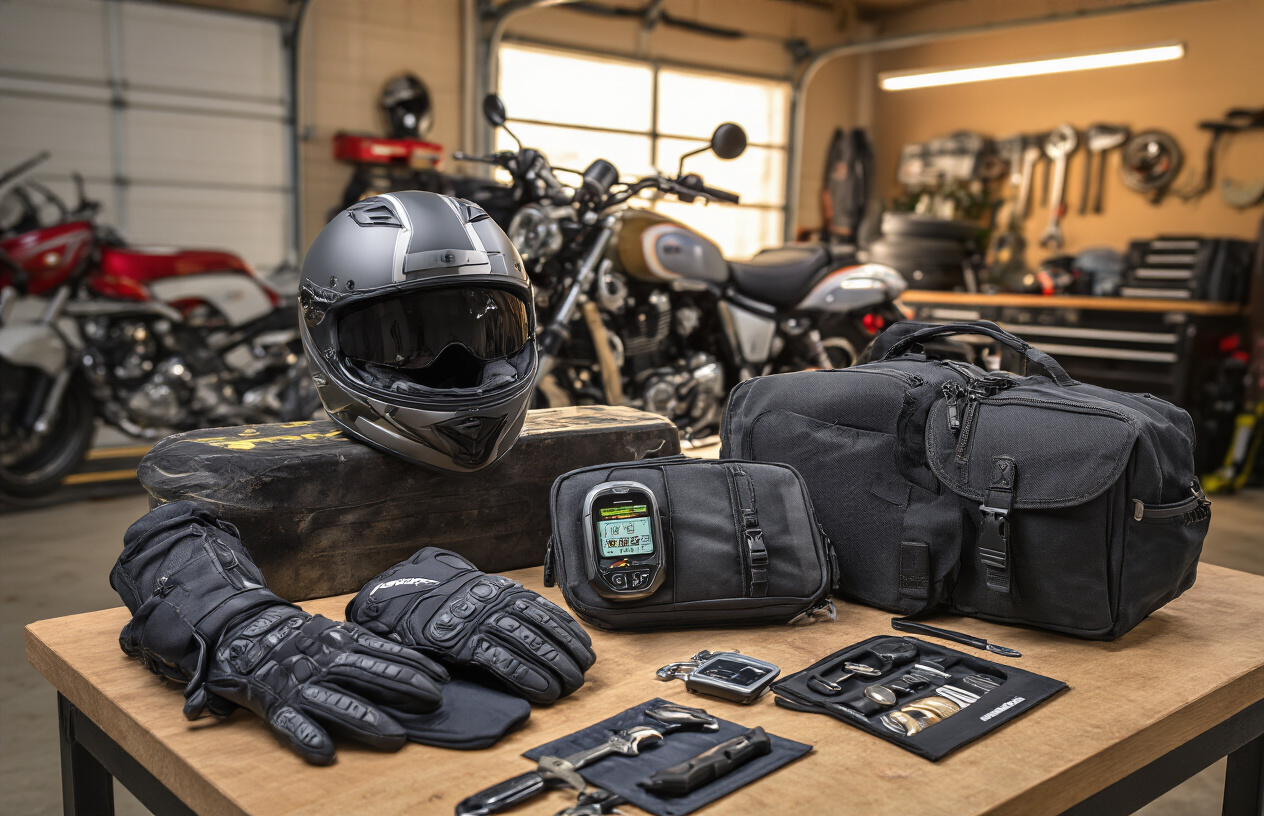
    Essential Tools to Carry

    Your toolkit doesn’t need to rival a mechanic’s garage, but skimp on basics and you’ll regret it.

    Must-haves for touring:

    • Multi-tool with pliers and screwdrivers
    • Tire repair kit and compact air compressor
    • Adjustable wrench and socket set with common sizes
    • Electrical tape and zip ties (magic fixers for so many issues)
    • Headlamp (ever tried holding a flashlight while fixing something?)
    • JB Weld or similar epoxy
    • Chain lube and brake cleaner

    Common Roadside Repairs

    Flat tires happen. Batteries die. Chains break. Knowing how to handle these saves your trip.

    Most common fixes you should master:

    1. Tire repair: Plug kits are your friend, but practice at home first
    2. Jump starting: Carry compact jumper cables or a battery pack
    3. Chain adjustment: Loose chains damage sprockets, tight ones can snap
    4. Electrical troubleshooting: Fuses blow, connectors vibrate loose
    5. Clutch cable replacement: Carry a spare and know how to install it

    Finding Reliable Service Centers Across America

    When DIY won’t cut it, you need professional help. The best shops aren’t always the biggest.

    How to find good help on the road:

    • Join rider forums and ask for recommendations before your trip
    • Save the “Motorcycle Shop Map” offline on your phone
    • Talk to local riders at gas stations and diners – they know who’s trustworthy
    • Avoid chain stores for specialized work
    • Dealerships are reliable but often booked solid in summer months
    • Keep service records on your phone to show mechanics what’s been done

    Small-town mechanics often provide better service than big-city shops. That guy in Montana who fixed my fuel pump? Still sends me Christmas cards.

    Maximizing Performance for Different Terrains

    Maximizing Performance for Different Terrains

    Engine and Power Delivery for Highway Cruising

    You’re cruising down Route 66, wind in your face, endless road ahead. What makes that experience perfect? The right power delivery.

    Touring bikes shine on highways with their larger displacement engines (typically 1000cc+) that deliver smooth, consistent power. Don’t twist that throttle too aggressively—a steady hand keeps the ride comfortable for hours.

    The sweet spot? Maintaining 3000-4000 RPM on most touring models. This range gives you enough torque for effortless passing without straining the engine or burning excessive fuel.

    Activate cruise control on those long stretches. It’s not just about comfort—it keeps engine performance optimal and prevents the subtle throttle variations that waste gas.

    Handling Mountain Roads and Twisties

    Mountain roads demand a different approach. Drop a gear lower than you normally would—you’ll want that extra torque when exiting corners.

    Preload adjustments make all the difference here. Tighten up your suspension before hitting those curves. A slightly firmer setup improves handling without sacrificing too much comfort.

    Weight distribution matters more than you think. Lean forward slightly on uphill twisties to put more weight on the front wheel for better grip and steering response.

    Brake early, accelerate smoothly. Touring bikes aren’t sport bikes—respect their weight and enjoy the rhythm of the road rather than fighting it.

    Adjusting for Different Weather Conditions

    Rain turns your touring experience upside down. Reduce tire pressure by 2-3 PSI for better grip on wet surfaces.

    Cold weather thickens oil and stiffens rubber. Give your bike extra warm-up time—about 5 minutes of gentle riding before pushing it.

    Heat is the silent performance killer. When temperatures climb above 90°F, your engine runs hotter and loses efficiency. Take more frequent breaks and avoid peak afternoon heat.

    Crosswinds are the sneaky challenge no one talks about. Lower your body profile and maintain a firm but relaxed grip on the handlebars.

    Fuel Efficiency Strategies

    Proper gear selection might save you 10-15% in fuel. Upshift early but not so early that the engine lugs.

    Aerodynamics play a huge role. A windscreen that’s too short forces you to fight the wind, wasting energy and fuel. Adjust it to direct air just over your helmet.

    Pack smart, ride light. Every 20 pounds of unnecessary gear costs you roughly 1% in fuel efficiency.

    The biggest fuel waster? Rapid acceleration. A smooth, progressive throttle hand will stretch your tank range by 30+ miles on many touring bikes.

    Planning the Ultimate USA Motorcycle Tour

    Planning the Ultimate USA Motorcycle Tour

    Iconic Routes and Destinations

    Ever dreamed of feeling the wind rush past as you cruise through America’s most breathtaking landscapes? You’re not alone. The USA is a motorcycle touring paradise with routes that’ll make your heart race faster than your engine.

    The Pacific Coast Highway in California is simply jaw-dropping. Ocean on one side, mountains on the other – it’s 656 miles of pure riding bliss from San Francisco to San Diego.

    Route 66 is the granddaddy of American road trips. This historic highway stretches 2,448 miles from Chicago to Santa Monica, passing through the heartland of America with quirky roadside attractions that’ll have you stopping every few miles.

    Want something more rugged? The Blue Ridge Parkway winds 469 miles through the Appalachian Highlands, offering riders tight curves and elevation changes that’ll test your skills while rewarding you with misty mountain views that’ll burn into your memory forever.

    For desert lovers, nothing beats Utah’s Monument Valley. Those massive sandstone buttes rising from the desert floor create an other-worldly riding experience you can’t find anywhere else.

    Seasonal Considerations

    Timing is everything in motorcycle touring. Get it wrong and you’ll be riding through a blizzard or melting in 110-degree heat.

    Summer (June-August) offers the most daylight hours and access to high-elevation routes like Colorado’s Million Dollar Highway, but you’ll battle tourist traffic and scorching temperatures in places like Death Valley (where the mercury regularly hits 120°F).

    Spring and fall are the sweet spots for most regions. The temperatures are kinder to riders, the tourist crowds thinner, and in fall, the changing colors in places like New England create a backdrop that’ll have you stopping for photos every five minutes.

    Winter riding isn’t impossible, but it limits you to southern routes. The Florida Keys and Texas Hill Country stay rider-friendly while the rest of the country freezes.

    Season Best Regions Challenges
    Spring Southwest, Southeast, California Rain in some areas, unpredictable weather
    Summer Pacific Northwest, Northern Rockies, Alaska Heat, crowds, higher prices
    Fall New England, Appalachians, Midwest Shorter days, cooler mornings
    Winter Florida, Texas, Arizona, Southern California Limited daylight, closed mountain passes

    Accommodation Options for Motorcycle Travelers

    Where you rest your head matters almost as much as the ride itself. Your options run the gamut from luxury to roughing it.

    Motorcycle-friendly hotels are popping up everywhere. Best Western and some independent hotels even offer “Ride Rewards” programs with covered parking, rags for bike cleaning, and sometimes laundry facilities for your riding gear.

    Camping puts you right in the heart of nature and saves serious cash. Many riders swear by the KOA (Kampgrounds of America) network – they’re clean, affordable, and often have cabin options if you’re not feeling the tent life after a long day in the saddle.

    Airbnbs and vacation rentals give you more space to spread out gear and often provide secure parking that hotels sometimes can’t. Plus, having a kitchen means not eating restaurant food for every meal.

    For the social butterflies, motorcycle-specific hostels like the Horizons Unlimited network connect you with fellow riders and often feature shared tools and maintenance areas.

    Navigation Tools and Technologies

    Getting lost used to be part of the adventure. Now it’s optional.

    Dedicated motorcycle GPS units from Garmin and TomTom offer glove-friendly screens, weather resistance, and motorcycle-specific routing that avoids dirt roads unless you want them.

    Smartphone apps have revolutionized motorcycle navigation. Rever, Calimoto, and Butler Maps don’t just get you from A to B – they find the twistiest, most scenic routes between points and let you download maps for those no-signal zones.

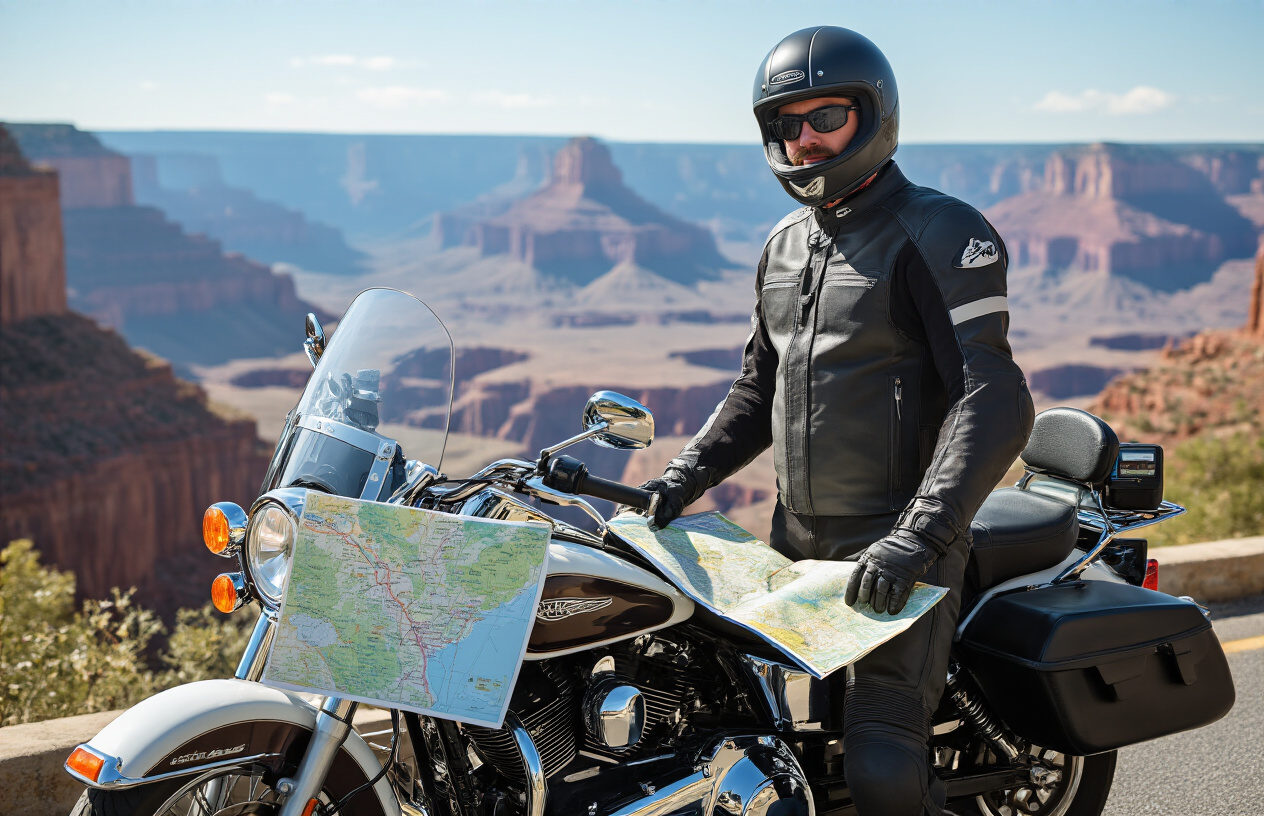
    Old-school paper maps still have their place. They never run out of battery, give you the big picture a small screen can’t, and make great souvenirs when marked up with your adventures.

    Communication tech has come a long way too. Bluetooth helmet systems like Sena and Cardo let you talk to riding buddies, take calls, listen to music, and even hear turn-by-turn directions without taking your eyes off the road.

    Group vs. Solo Touring Dynamics

    Riding solo means total freedom. You stop when you want, ride as far as you feel like, and change plans on a whim. It’s just you, your bike, and the open road – pure motorcycle zen.

    But solo riding means handling every situation yourself. Mechanical problems, navigation decisions, and security concerns all fall on your shoulders. Plus, there’s nobody to share those “Did you see that?!” moments with.

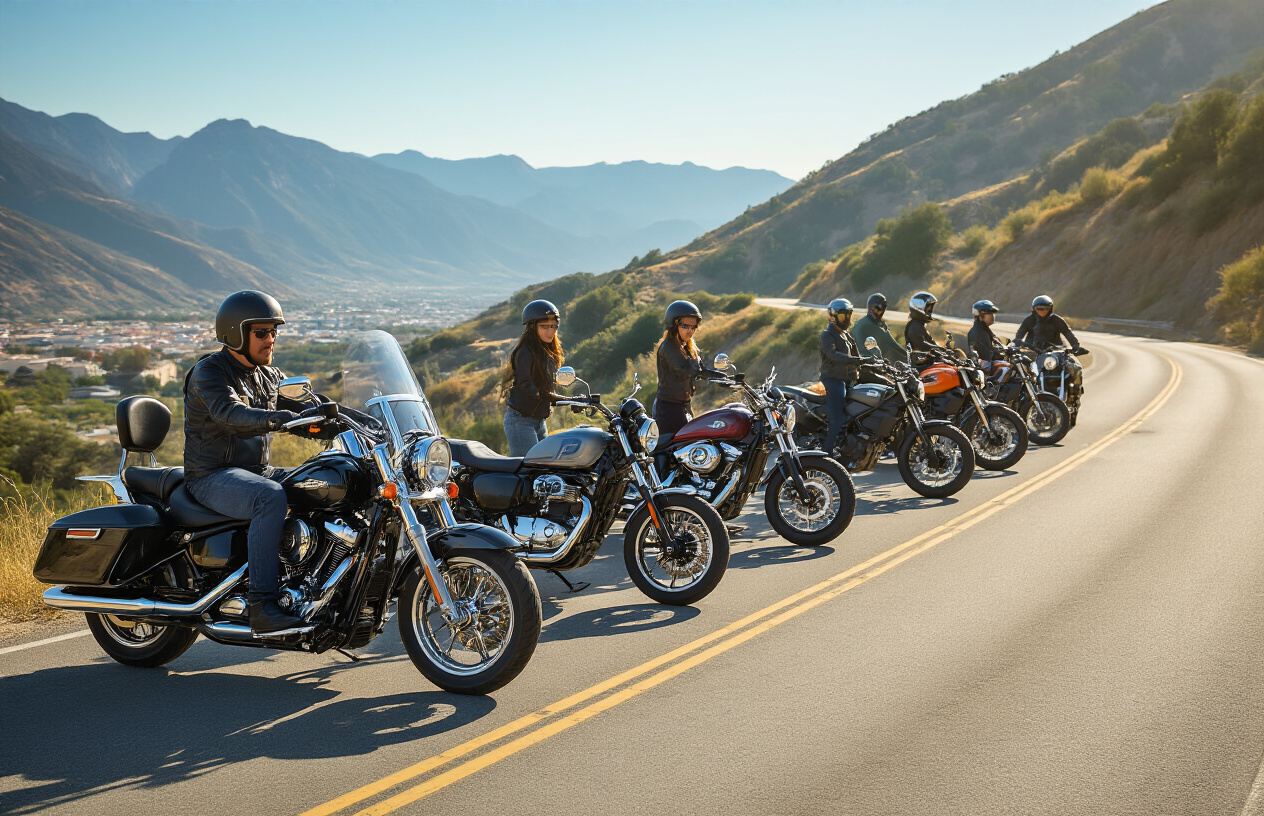
    Group rides bring built-in safety and shared experiences. Someone’s always there to help if you break down, and evenings around a campfire sharing the day’s adventures create bonds that last a lifetime.

    The downside? Groups move at the pace of the slowest rider. Decisions take longer, and finding accommodations for six bikes is harder than for one.

    The sweet spot might be small groups of 2-4 riders with similar skills and expectations. You get the safety benefits without the organizational headaches of larger groups.

    Whatever you choose, just remember – the best motorcycle tour is the one that matches your riding style. There’s no wrong way to experience America on two wheels.

    conclusion

    The Ultimate Guide to Touring Motorcycles in USA

    Touring the diverse landscapes of America on two wheels requires the right motorcycle, proper preparation, and strategic planning. From selecting a touring bike with essential comfort features to understanding how to maintain your machine on the road, these elements are crucial for a successful cross-country adventure. Equally important is knowing how to optimize your motorcycle’s performance across various terrains and crafting an itinerary that showcases the best routes America has to offer.

    Whether you’re a seasoned rider or planning your first long-distance journey, remember that the perfect touring experience combines the right equipment with thoughtful preparation. Take time to research your route, pack appropriate gear for changing conditions, and schedule regular maintenance checks. With the right motorcycle beneath you and proper planning, you’ll create unforgettable memories as you experience the freedom and beauty of touring America’s highways and byways.

    https://amzn.to/45nThIi

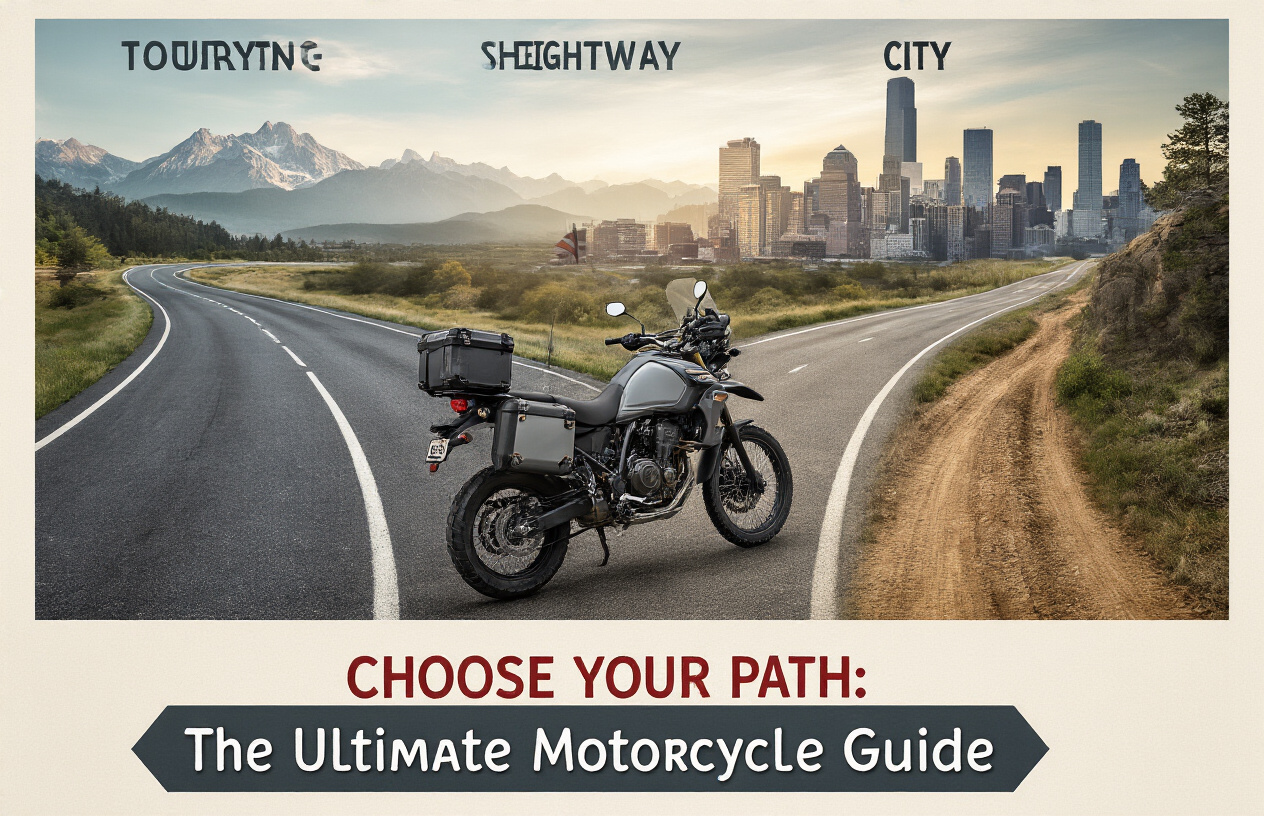
  • Choosing the Right Motorcycle for Touring, City, and Off-Road Rides in USA

    Choosing the Right Motorcycle for Touring, City, and Off-Road Rides in USA

    Ever noticed how motorcycle riders can’t stop smiling, no matter the weather? That’s because they’ve found something most people never will – the perfect blend of freedom, practicality, and adventure on two wheels.

    Choosing the right motorcycle for touring, city, and off-road rides in the USA isn’t just about engine size or brand loyalty. It’s about matching your riding personality with a machine that feels like an extension of yourself.

    Whether you’re daydreaming about cross-country highways, navigating urban jungles, or kicking up dirt on backcountry trails, this guide will save you thousands in potential regrets and countless hours of research.

    But here’s the thing about motorcycles that most salespeople won’t tell you…

    Understanding Different Types of Motorcycle Riding

    Understanding Different Types of Motorcycle Riding

    A. Touring: What Makes Long-Distance Riding Unique

    Ever watched riders cruise down endless highways with bikes packed like they’re moving houses? That’s touring – the marathon of motorcycling.

    Touring isn’t just riding far; it’s living on your bike. You need comfort that lasts hours, not minutes. Those big windscreens and cushy seats aren’t just for show – they’re sanity savers at mile marker 300.

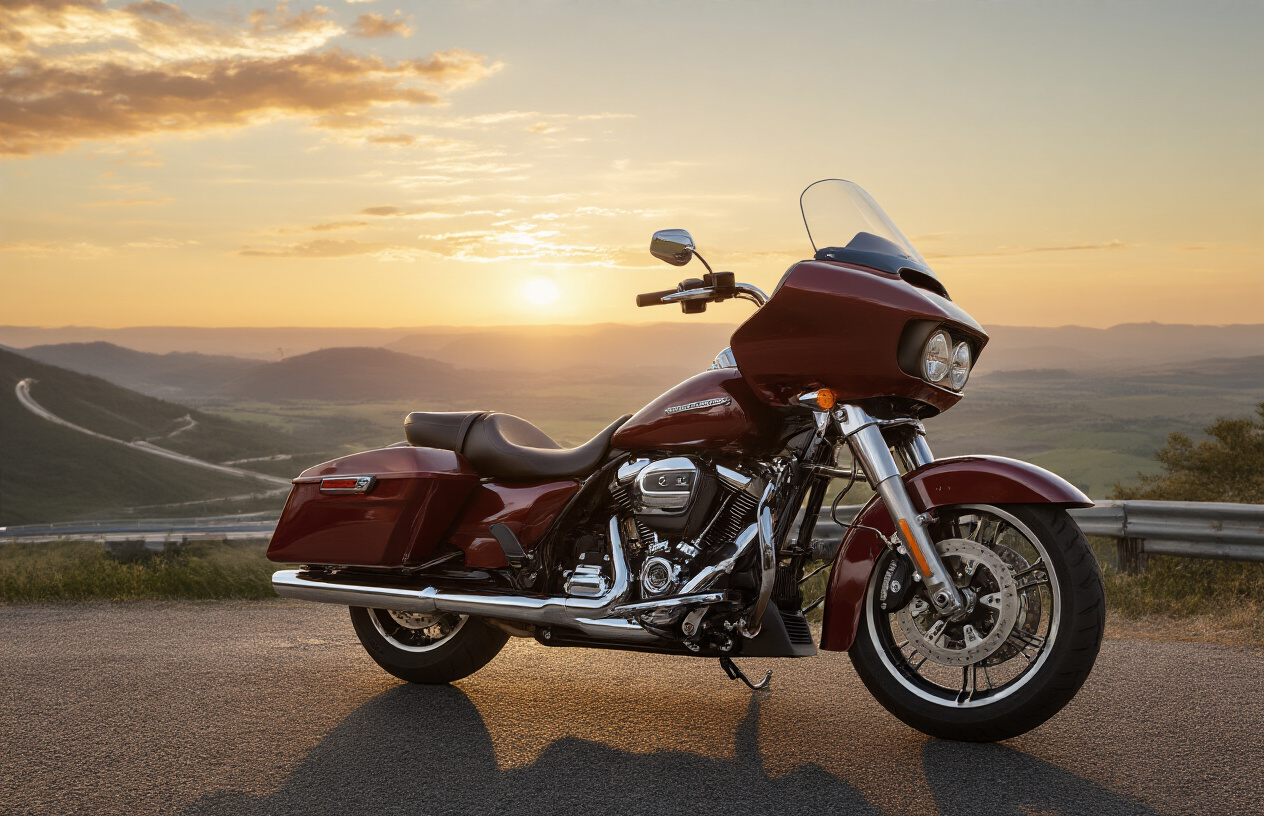
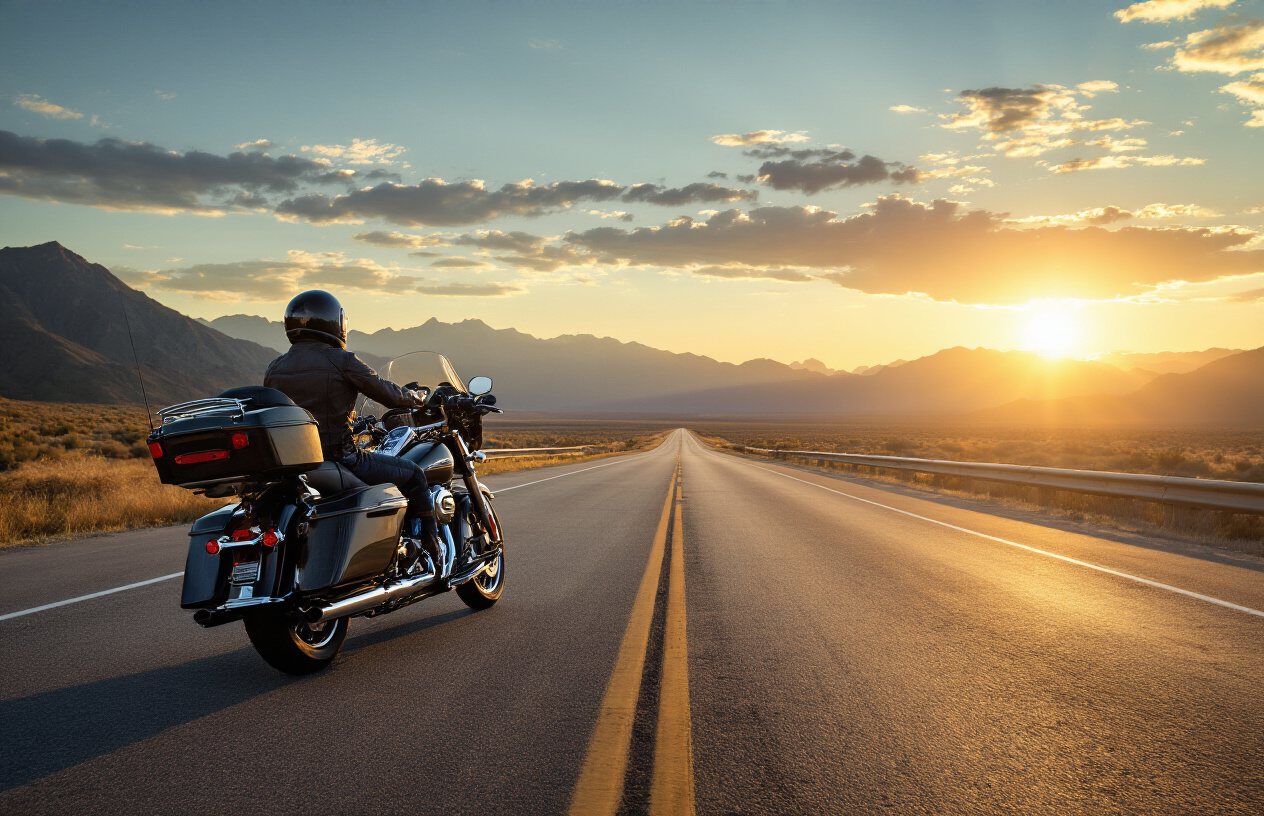
    The bikes built for this mission are different beasts. Think Honda Gold Wings or Harley-Davidson Road Glides – essentially two-wheeled RVs with plush seats, weather protection, and enough storage to pack for weeks. They’re heavy, sure, but that stability feels like a blessing when crosswinds hit on mountain passes.

    Long-distance riding demands different skills too. You’ll become obsessed with fuel range, weather patterns, and finding diners with good coffee and parking lots you can see from inside.

    B. City Commuting: Navigating Urban Challenges

    City riding is basically motorcycle parkour. You’re constantly dodging opening car doors, spotting potholes, and finding gaps in traffic that cars can’t use.

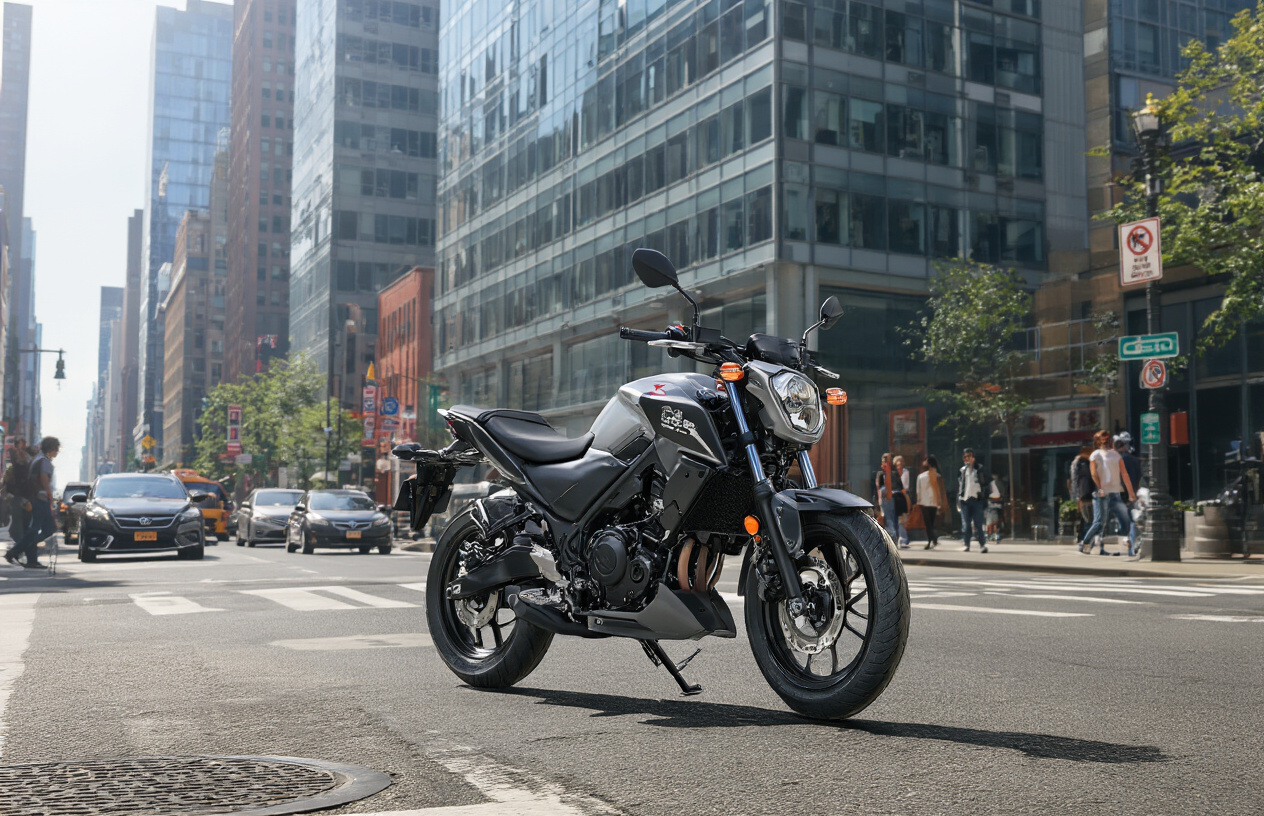
    Urban environments demand nimble, responsive bikes. Heavy cruisers that shine on highways can feel like steering battleships through downtown traffic. That’s why you see so many naked standards and small-displacement sport bikes weaving through cities.

    The perfect city bike needs quick steering, good brakes, and an upright position that lets you scan for threats constantly. Fuel efficiency matters when you’re stop-and-go all day, and lighter weight makes those unexpected U-turns way easier.

    C. Off-Road Adventures: Tackling America’s Diverse Terrain

    Off-road riding is where you learn motorcycles can go places that defy logic. From Arizona’s desert trails to muddy Pacific Northwest forests, America offers endless unpaved playgrounds.

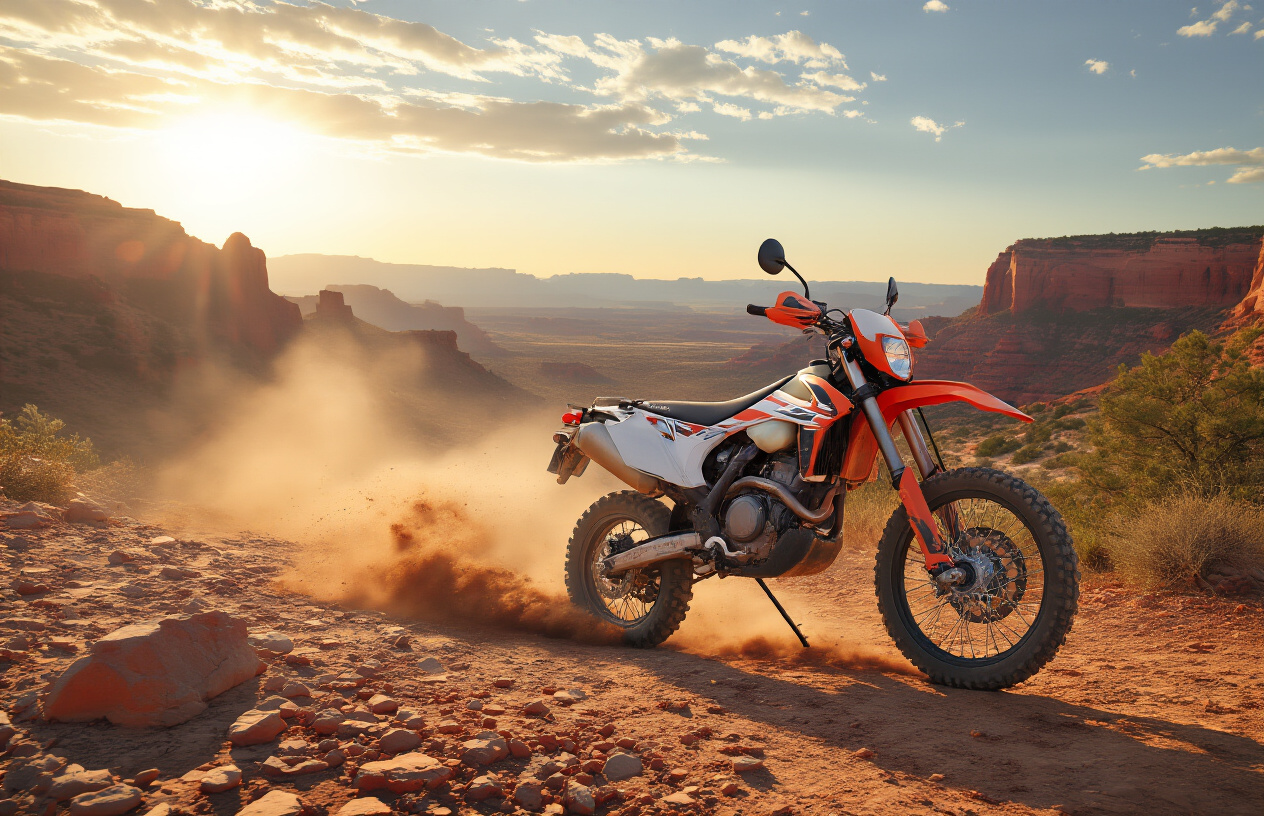
    This style demands specialized machines. Dirt bikes and adventure motorcycles come with long-travel suspension, aggressive tires, and ground clearance that would make street bikes jealous. They’re designed to absorb punishment that would break normal bikes in minutes.

    The skills here are totally different. You’ll stand on pegs more than sit, use body English to control slides, and learn that sometimes throttle is the answer to problems that seem counterintuitive.

    D. Combination Riding: Finding the Perfect Balance

    Most riders don’t fit perfectly into just one category. You might commute weekdays but escape to country roads on weekends.

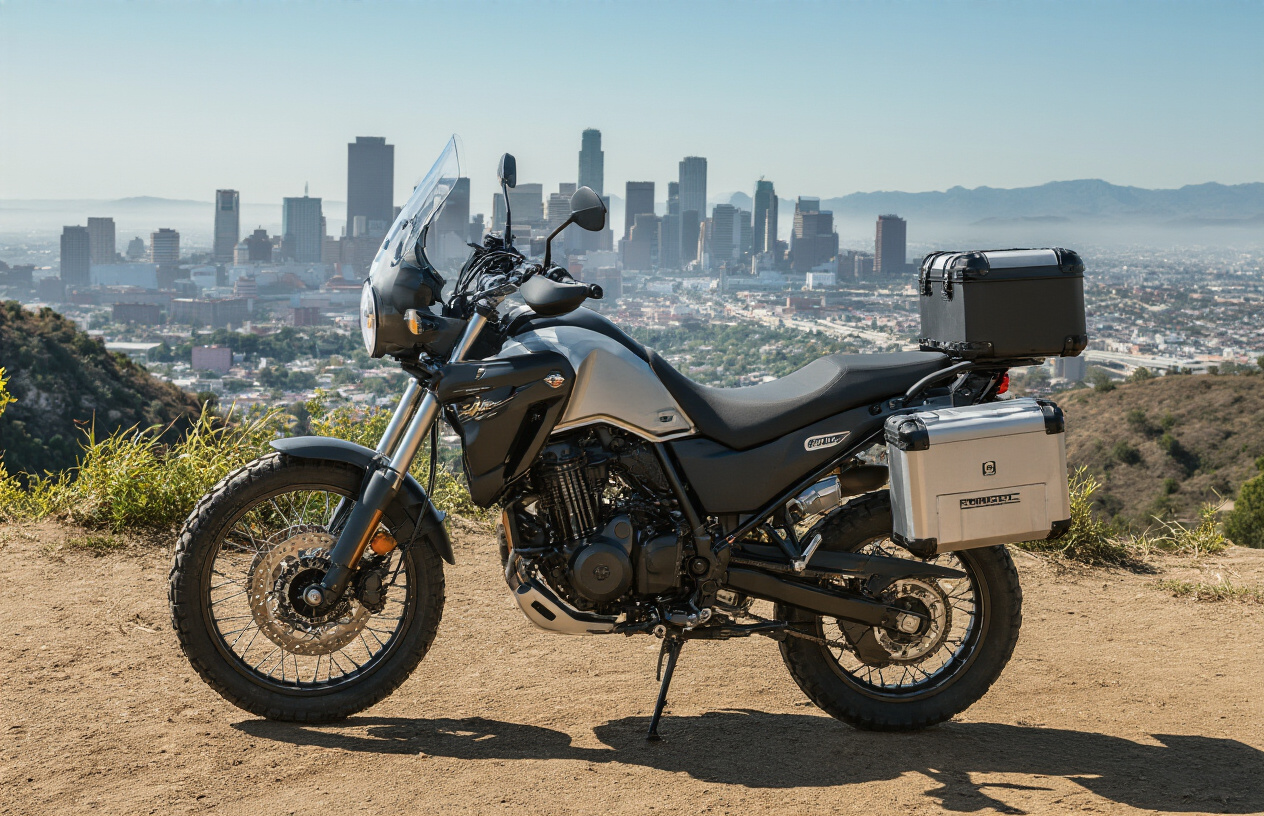
    This is where versatile bikes shine. Adventure motorcycles like the BMW GS series or Triumph Tiger have exploded in popularity because they handle multiple riding styles reasonably well. They’re tall enough for dirt, comfortable enough for distance, and manageable enough for cities.

    The secret to combination riding is honest self-assessment. Which style will be your primary focus? Would you rather have a bike that excels at one thing and struggles elsewhere, or something that does everything decently? Your truthful answer determines your perfect match.

    Key Factors to Consider When Choosing Your Motorcycle

    Key Factors to Consider When Choosing Your Motorcycle

    A. Budget: Getting the Best Value for Your Investment

    Motorcycles come in all price ranges, from $5,000 budget-friendly models to $30,000+ premium machines. But here’s the thing—expensive doesn’t always mean better for you.

    First-time buyers: stick to the $5,000-$8,000 range. You’ll get a reliable bike without the heart attack when you drop it (and you probably will).

    For touring, expect to pay more—good luggage capacity and comfort features drive up costs. A solid touring bike starts around $12,000, but you’ll thank yourself on day three of that cross-country trip.

    City riders can get away with less. A nimble commuter in the $6,000-$9,000 range will handle everything from traffic jams to grocery runs.

    Off-road enthusiasts face a trade-off: cheaper bikes mean more repair costs after rough riding. Budget at least $8,000 for something that won’t fall apart on the trail.

    Don’t forget the extras:

    • Gear: $800-$1,500 for quality helmet, jacket, gloves, boots
    • Insurance: $500-$1,200 annually (higher for sport bikes)
    • Maintenance: $500-$1,000 yearly

    The sweet spot? Three-year-old bikes with low mileage. You’ll dodge the worst depreciation hit while getting modern features.

    B. Experience Level: Matching Power to Your Skills

    Buying too much motorcycle is like giving a teenager a Ferrari—exciting but potentially disastrous.

    Beginners should aim for:

    • 300-500cc for sport/street bikes
    • 650-750cc for cruisers (they’re less twitchy)
    • 250-400cc for dirt bikes

    These numbers aren’t random. Smaller engines are more forgiving when you make mistakes, and you will make mistakes.

    Intermediate riders (2+ years in the saddle) can comfortably handle:

    • 600-800cc sport bikes
    • 900-1200cc cruisers
    • 450-650cc dual sports

    Veterans with 5+ years of riding can pretty much handle whatever catches their eye, but even pros respect the power of a 1000cc+ sportbike.

    The progression matters. I’ve seen too many overconfident beginners on liter bikes who either scared themselves straight or ended up as statistics.

    Your skills need to grow with your engine size. Nothing ruins confidence faster than a bike that’s constantly trying to kill you.

    C. Physical Dimensions: Finding the Right Fit for Your Body

    That gorgeous bike in the showroom? Worthless if you can’t touch the ground.

    Seat height is crucial—your feet should reach the ground with at least the balls of your feet flat at stops. For shorter riders (under 5’8″), look for bikes with 30″ or lower seat heights.

    Weight matters more than you think. A 600-pound touring bike feels like a mountain when you’re trying to back it out of a parking spot. New riders should stick to bikes under 400 pounds until handling skills develop.

    Reach to the handlebars shouldn’t strain your shoulders or lock your elbows. Your arms should have a slight bend when seated normally.

    Riding position affects comfort on long trips:

    • Cruisers: feet forward, upright back (comfortable but less control)
    • Sport bikes: leaned forward, feet back (more control but strains wrists/back)
    • Adventure/touring: upright, neutral foot position (best all-day comfort)

    Try this test: sit on the bike for 20 minutes in the showroom. If you’re uncomfortable there, imagine how you’ll feel after 200 miles.

    D. Maintenance Requirements: Understanding Long-Term Costs

    Some bikes are money pits disguised as transportation. Others will outlive you.

    Japanese bikes (Honda, Yamaha, Kawasaki, Suzuki) typically need less maintenance and have cheaper parts. European brands offer prestige and performance but at premium maintenance costs.

    Chain drive needs attention every 500-700 miles. Shaft drive (common on touring bikes) costs more upfront but requires less regular maintenance.

    Air-cooled engines are simpler to maintain but liquid-cooled ones run more consistently in varying weather.

    Valve adjustment intervals matter:

    • 4,000 miles: you’ll be at the shop often
    • 15,000+ miles: much more wallet-friendly

    Modern fuel-injected bikes start more reliably but carbureted models are simpler for DIY mechanics.

    Consider these annual costs:

    • Oil changes: $50-150 each (DIY vs. shop)
    • Tires: $300-600 per set
    • Chain/sprockets: $200-350 every 15,000-25,000 miles

    The most overlooked cost? Specialized tools. Budget $300-500 if you plan to do your own work.

    E. Storage Needs: Carrying Capacity for Different Riding Styles

    Nothing kills the motorcycle dream faster than realizing you can’t carry what you need.

    Touring riders need serious storage—at least 35+ liters of capacity. Hard panniers offer security but add width. Soft bags are lighter but vulnerable to weather and theft.

    City commuters should look for:

    • Under-seat storage for small items
    • Tank bags for quick access to phone/wallet
    • Topcase options for grocery runs or gym bags

    Off-road enthusiasts face a challenge: more storage means more weight, which affects handling on technical terrain. Modular systems let you add/remove capacity based on the trip.
    Consider these practical questions:

    • Do you need to carry a laptop?
    • Will you be shopping with this bike?
    • Overnight trips require at least 30L capacity
    • Multi-day adventures need 60L+

    The best storage solutions are waterproof, lockable, and don’t affect handling when loaded. And remember—just because a manufacturer says a bag fits doesn’t mean it fits well. Check owner forums for real-world experiences.

    Best Touring Motorcycles for American Roads

    Best Touring Motorcycles for American Roads

    A. Full-Dress Touring Bikes: Ultimate Comfort for Cross-Country Trips

    You know those motorcycles that look like they’ve got everything but the kitchen sink attached? That’s a full-dress tourer for you. Bikes like the Harley-Davidson Ultra Limited and Indian Roadmaster aren’t just transportation—they’re rolling living rooms.

    These babies come packed with windshields taller than some cars, seats that feel like your favorite recliner, and enough storage to pack for a month. The stereo systems? Better than what I’ve got in my apartment.

    The Honda Gold Wing takes this comfort game to another level with its car-like features—automatic transmission, airbags, and even Apple CarPlay. Ridiculous, right? But when you’re grinding out 500 miles a day, you’ll thank the motorcycle gods for every comfort.

    Just remember—these comfort champions come with a weight penalty. Most tip the scales north of 800 pounds, which you’ll definitely feel when navigating parking lots or tight spaces.

    B. Sport Tourers: Balancing Performance with Long-Distance Capability

    Not everyone wants to feel like they’re riding their living room couch across America. Sport tourers hit that sweet spot where you can carve canyons one day and cross state lines the next.

    The BMW R1250RT and Yamaha FJR1300 dominate this category for good reason. They’ve got enough power to make you grin inside your helmet but won’t punish your back after three hours in the saddle.

    Kawasaki’s Ninja 1000SX deserves serious attention too. It’s basically a sportbike that won’t make you hate life on long rides. The fairings provide decent wind protection without the bulk of a full dresser, and the ergonomics strike that perfect balance between aggressive and all-day comfortable.

    The handling on these bikes? Nimble enough to enjoy those twisty mountain roads but stable enough to handle crosswinds on open highways. And most come with hard luggage options that don’t look like ugly afterthoughts.

    C. Adventure Tourers: Versatility for Both Highways and Dirt Roads

    The Swiss Army knives of the motorcycle world—that’s adventure tourers for you. The BMW R1250GS practically invented this category, and for good reason. These bikes handle everything from smooth interstates to fire roads and everything in between.

    What makes them special? Longer suspension travel than road-only bikes, crash protection built right in, and riding positions designed for standing up when the pavement ends. The Triumph Tiger 900 and KTM 1290 Super Adventure bring serious off-road credentials while still being comfortable enough for thousand-mile highway stretches.

    Their upright seating position gives you a commanding view of traffic, and those wide handlebars provide leverage for both low-speed maneuvering and off-road control. Plus, most come with spoked wheels that can take a beating when you inevitably hit that pothole you didn’t see.

    For exploring America’s vast backcountry roads and national forests, nothing beats these do-it-all machines. Just be prepared for a learning curve if you’re coming from street-only bikes—they’re taller and require different handling techniques.

    D. American vs. Foreign Touring Models: Pros and Cons

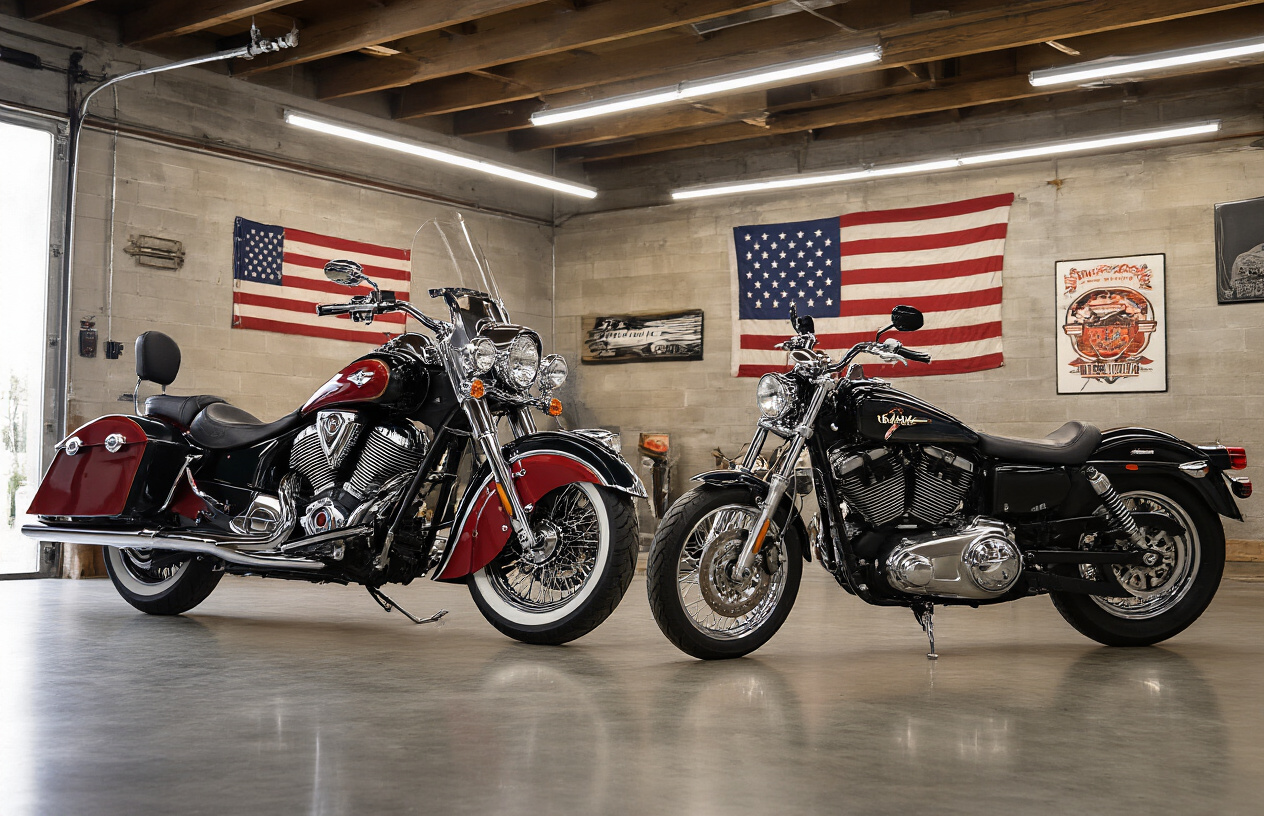
    The age-old debate—American iron or foreign engineering? Harley-Davidson and Indian bring undeniable style and that distinctive rumble that screams “American road trip.” Their low-end torque makes highway cruising effortless, and there’s something special about touring the American landscape on American metal.

    American Tourers Foreign Tourers
    Unmatched style and presence Typically lighter and more nimble
    Better dealer network across rural USA Often more advanced technology
    Simpler maintenance in many cases Generally better fuel economy
    Stronger resale value Usually more performance-oriented

    The foreign contenders from BMW, Honda, and Yamaha often bring more sophisticated technology to the table—better suspension, more rider aids, and sometimes better weather protection. They typically handle better on twisty roads too.

    Here’s the bottom line: American bikes connect you with the heritage of road tripping in the USA, while foreign bikes often deliver more performance and features per dollar. Your choice ultimately depends on whether you prioritize that emotional connection or pure riding dynamics.

    The perfect touring bike isn’t the most expensive or the most powerful—it’s the one that makes you want to keep riding long after you should have stopped for the day.

    Ideal City Motorcycles for Urban American Settings

    Ideal City Motorcycles for Urban American Settings

    A. Lightweight Options for Easy Maneuverability

    Urban riding demands nimble handling, and that’s where lightweight motorcycles shine. The Honda Grom is basically the go-kart of motorcycles—weighing just 229 pounds, you can flick this thing around like it’s nothing. Perfect for squeezing through those impossibly tight spots in New York or LA traffic.

    Kawasaki’s Z400 strikes that sweet spot between power and weight. At 363 pounds, it’s light enough to maneuver through city streets but has enough muscle (45 horsepower) to keep things interesting on weekend rides.

    Royal Enfield’s Meteor 350 might surprise you. While not the lightest option, its low center of gravity makes it feel much lighter than its actual weight. Plus, that classic styling gets you noticed at every stoplight.

    B. Fuel-Efficient Models for Daily Commuting

    Gas prices killing your vibe? The Yamaha MT-03 sips fuel at around 65 mpg while still delivering that satisfying acceleration when the light turns green. Your wallet will thank you after months of daily commuting.

    Honda’s PCX150 scooter takes efficiency to another level, easily achieving 100+ mpg in city conditions. Sure, it’s not technically a motorcycle, but when you’re passing gas station after gas station without stopping, who cares about labels?

    For something with more presence, the Suzuki SV650 manages an impressive 50 mpg despite its larger engine. It’s proof you don’t need to sacrifice the motorcycle experience for fuel economy.

    C. Storage Solutions for Work and Shopping

    Running errands becomes way less complicated with the right storage. The BMW G310R pairs beautifully with their matching side cases, giving you enough space for a laptop, gym clothes, and even groceries on the way home.

    Triumph’s Trident 660 might not seem like a storage champion at first glance, but add their accessory top box and you’ve got 12 liters of secure storage—enough for a helmet or several shopping bags.

    For serious hauling capabilities, Honda’s NC750X features a built-in frunk where the gas tank would normally be. This 22-liter compartment easily swallows a full-face helmet or enough takeout to feed your whole apartment building.

    D. Parking-Friendly Designs for Tight Urban Spaces

    Finding parking in cities like San Francisco or Boston can be a nightmare—unless you’re on a Ducati Scrambler. Its narrow profile and tight turning radius let you slip into spots cars can only dream about.

    Vespa’s GTS 300 takes up barely more space than a bicycle but offers true motorcycle performance. The flat floorboard means you can stand it up straight in those weird triangular spaces that nothing else fits into.

    KTM’s 390 Duke deserves a mention for its incredibly tight turning radius. U-turns in a single lane? No problem. Parallel parking in half a car space? Easy day.

    E. Traffic-Beating Features for Congested Cities

    Nothing beats stop-and-go traffic like the Harley-Davidson LiveWire. Electric propulsion means instant torque for quick getaways from lights, and no clutch means your left hand stays cramp-free in heavy traffic.

    Kawasaki’s Versys-X 300 gives you an upright seating position that offers better visibility over cars—crucial for spotting openings in gridlocked streets. You’ll see escape routes others miss.

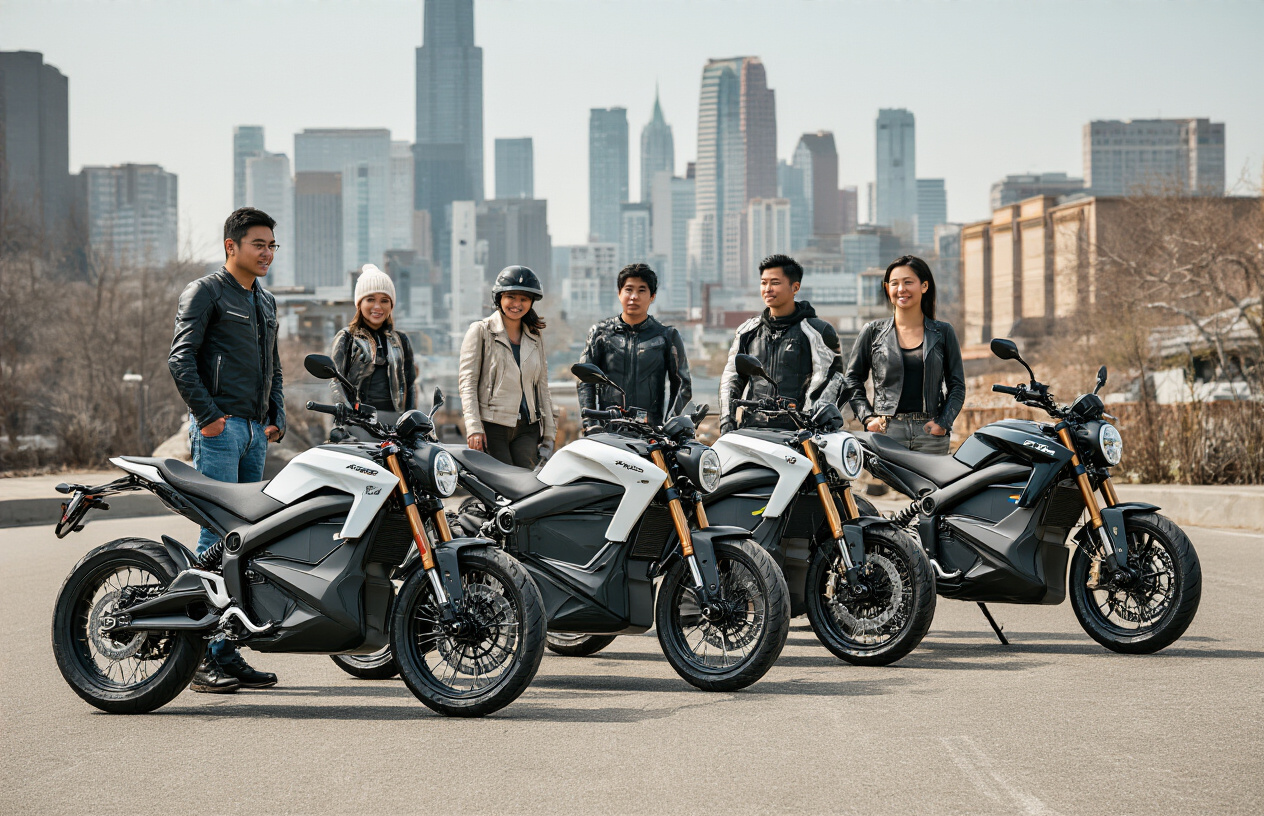
    For the ultimate traffic-beater, consider the Zero FXS. This electric motorcycle combines lightweight handling (289 pounds) with no-noise operation and a slim profile that slips between cars like they’re standing still. When everyone else is stuck, you’ll be making progress.

    Top Off-Road Motorcycles for American Terrain

    Top Off-Road Motorcycles for American Terrain

    Dirt Bikes for Technical Trail Riding

    Ever tried squeezing through narrow forest paths or bombing up steep, rocky inclines? That’s where proper dirt bikes shine. The Honda CRF450X remains the gold standard for American trail riding – lightweight at just 275 pounds but packing serious punch for those sudden uphill scrambles.

    KTM’s 350 EXC-F deserves serious consideration too. It hits that sweet spot between the nimble 250s and the sometimes overwhelming 450s. Perfect for those Moab slickrock trails or Tennessee woodland routes where you need responsive handling.

    Dual-Sports for Mixed On/Off-Road Use

    You want one bike that does it all? A dual-sport is your answer.

    The Yamaha WR250R has developed a cult following for good reason. It’s basically a dirt bike with just enough street-legal components to let you connect trail systems via public roads. The Suzuki DR-Z400S follows the same formula but with more grunt.

    For something with modern tech, check out the KTM 690 Enduro R. Fuel injection, sophisticated suspension, and enough power to cruise highways comfortably before tackling serious off-road sections.

    Adventure Bikes for Long-Distance Off-Road Touring

    Planning a multi-day backcountry expedition? Adventure bikes are built for exactly that.

    The BMW R1250GS Adventure dominates this category. It’s a beast at 600+ pounds fully loaded, but those electronically adjustable suspension settings make it surprisingly capable when the pavement ends.

    For riders who find the GS intimidating, the KTM 890 Adventure R offers a more manageable package without sacrificing off-road capability. Its lower weight and rally-inspired design make it particularly good on the Continental Divide Route.

    Honda’s Africa Twin deserves mention too – especially with its DCT automatic transmission option that’s a godsend in technical terrain when you’d rather focus on balance than shifting.

    Regional Considerations: Bikes for Desert, Mountain, and Forest Riding

    Different American landscapes demand different machines.

    For desert riding across Nevada or Arizona, you need something with cooling systems that won’t quit in 100°F heat. The Husqvarna FE501 excels here with its oversized radiators and heat-resistant components.

    Mountain trails in Colorado or Montana? The Beta 500 RR-S shines with its torquey power delivery that helps maintain traction on loose, steep climbs.

    Tackling dense forests in the Pacific Northwest? The Gas Gas EC300 has the nimble handling and slim profile to navigate between trees while its two-stroke engine provides the instant punch needed to power over wet roots and logs.

    Multi-Purpose Motorcycles: The Best of All Worlds

    Multi-Purpose Motorcycles: The Best of All Worlds

    Adventure Motorcycles: Ultimate Versatility Champions

    Ever noticed how some riders seem to have a different bike for every scenario? Not everyone has that luxury. Adventure bikes are the Swiss Army knives of motorcycles – they’ll take you across states on highways, navigate city traffic without drama, and handle dirt roads when the pavement ends.

    Bikes like the BMW R1250GS and Triumph Tiger 900 have conquered everything from Starbucks parking lots to the Atacama Desert. They pack comfortable upright seating positions, wind protection for highway cruising, enough ground clearance for rough terrain, and luggage capacity that puts some cars to shame.

    The secret sauce? These bikes blend the reliability of touring machines with the capability of dirt bikes. You get adjustable suspension, rider modes that change engine character with a button press, and frame geometry that works across environments.

    Customization Options to Adapt One Bike for Multiple Uses

    Your multi-purpose motorcycle becomes even more versatile with the right mods. Swapping tires makes a massive difference – stick with 80/20 road/dirt tires for mostly pavement riding or flip to knobby 50/50 tires when hitting trails becomes a priority.

    Accessories transform functionality too:

    • Adjustable windscreens (tall for highways, short/none for off-road)
    • Luggage systems (hard cases for travel, soft bags for trails)
    • Ergonomic adjustments (lowered footpegs for standing, heated grips for cold rides)
    • Protection (crash bars, skid plates when terrain gets serious)

    Compromises to Consider with Do-It-All Motorcycles

    The jack-of-all-trades approach comes with tradeoffs. These bikes typically weigh more than dedicated dirt bikes, making tight technical trails challenging. They’re also bulkier than pure street machines, so filtering through traffic requires extra attention.

    Maintenance costs run higher too. Those sophisticated electronics and complex suspension systems that enable versatility don’t come cheap when service time rolls around.

    The biggest compromise might be psychological – these bikes do everything well but excel at nothing. A dedicated sport bike will always be faster on twisty roads; a proper dirt bike will float over obstacles that make adventure bikes struggle.

    But that’s the deal: one bike that gets you 85% there in every scenario versus three perfect bikes gathering dust in your garage.

    Essential Accessories for Versatile Riding

    Essential Accessories for Versatile Riding

    A. Storage Solutions for Different Riding Styles

    Ever tried cramming a weekend’s worth of gear into a backpack while riding? Yeah, not fun. The right storage can make or break your motorcycle experience.

    For touring riders, hard panniers are your best friends. They’re weatherproof, secure, and won’t flap around at highway speeds. Brands like Givi and SW-Motech offer aluminum options that can take a beating while protecting your stuff.

    City riders need something different. A magnetic tank bag gives you quick access to essentials without dismounting. Or try a sleek tail bag that doesn’t scream “tourist” when you park.

    Off-road enthusiasts, you need flexible, waterproof soft bags. They’ll forgive you when (not if) you drop your bike, unlike rigid cases that might snap or damage your bike’s frame.

    B. Protection Gear for Various Environments

    Riding through Death Valley in July isn’t the same as cruising Seattle in November. Duh.

    Desert riders need mesh jackets with removable liners and hydration systems. The RevIt Sand 4 or Klim Badlands Pro are worth every penny when temperatures climb.

    Urban warriors should look at armored hoodies and jeans from brands like Pando Moto or REV’IT! They offer protection without making you look like you’re headed to a track day.

    Mountain and forest riders need waterproof, breathable gear with bright colors. The Klim Latitude or Rukka Navigatorr suit will keep you dry and visible when those clouds roll in unexpectedly.

    C. Comfort Enhancements for Long Rides

    Nobody enjoys numb hands and a sore butt after two hours on the road.

    An aftermarket seat is the smartest upgrade for any serious rider. Companies like Corbin and Sargent make custom options that distribute pressure points better than stock seats ever could.

    Handlebar risers can transform your riding position, especially on adventure bikes that sometimes feel like you’re reaching for the horizon.

    Cruise control – whether factory or throttle lock like the Kaoko – saves your wrist on those endless interstate stretches.

    And don’t overlook windscreens. The right height can eliminate that neck-straining buffeting that leaves you exhausted after a long day.

    D. Tech Additions for Navigation and Communication

    Getting lost might sound romantic until you’re running on fumes with no cell service.

    A dedicated GPS like the Garmin Zumo XT offers glove-friendly controls and won’t die when your phone overheats in direct sunlight. Mount it high on your handlebars so you don’t take your eyes off the road.

    Bluetooth communication systems from Cardo or Sena let you talk to riding buddies, take calls, or listen to directions without stopping. The Packtalk Bold has mesh networking that reconnects automatically when riders drop in and out of range.

    USB ports aren’t just nice-to-have anymore – they’re essential. Get a RAM mount for your phone and wire in a charging system that connects to your battery.

    Test Riding and Making the Final Decision

    Test Riding and Making the Final Decision

    A. Where to Test Different Motorcycle Types

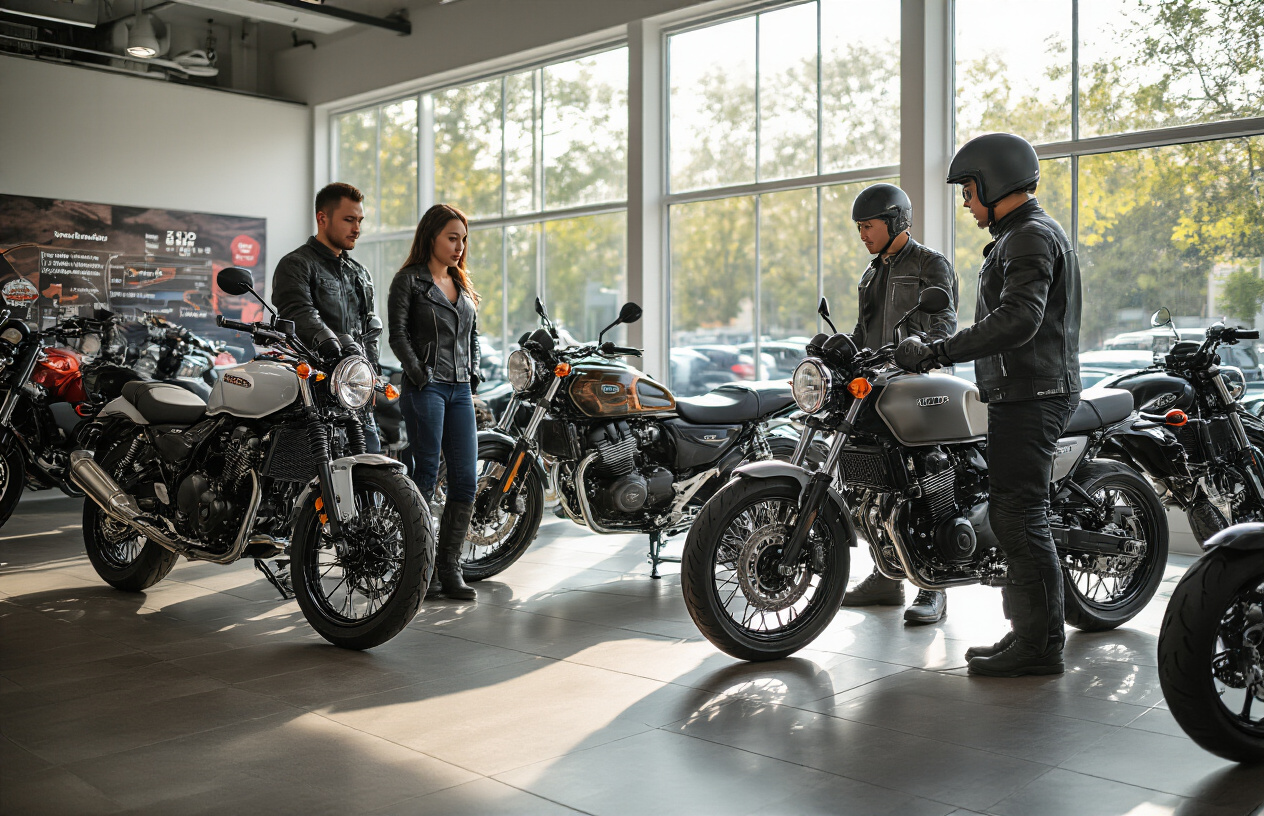
    Dealerships are your obvious first stop, but they’re not the only game in town. Most major motorcycle brands have demo days where you can try multiple bikes in one place. It’s like speed dating, but with engines.

    Motorcycle shows and rallies? Gold mines for test rides. You’ll find everything from cruisers to adventure bikes lined up and ready to go.

    Don’t overlook rental places, especially for touring bikes. Dropping $50 for a day’s rental beats buying the wrong $15,000 bike every time.

    For off-road options, check out dirt bike schools and adventure riding centers. They typically have fleets of bikes you can try while getting some training. Two birds, one stone.

    B. What to Look for During Each Type of Test Ride

    For touring bikes: Pay attention to your comfort after 30+ minutes. Is your back screaming? Are your wrists numb? That slight discomfort becomes torture at mile 200.

    For city rides: Focus on low-speed handling and maneuverability. Can you easily filter through traffic? How’s the clutch in stop-and-go situations?

    For off-road machines: Test the standing position. Your knees should bend slightly when standing on the pegs. See how the bike handles both loose dirt and rocky sections.

    For all bikes, check these basics:

    • Does it fit your height? (Both feet should touch the ground)
    • Can you reach all controls comfortably?
    • Is the weight manageable when pushing it around?

    C. Comparing New vs. Used Options

    Factor New Used
    Cost Higher upfront Lower initial investment
    Warranty Full coverage Limited/none
    Condition Perfect May need work
    Depreciation Immediate 15-20% Already absorbed
    Customization Start fresh May have upgrades

    The sweet spot? Two to three-year-old bikes. Previous owner ate the depreciation, but modern features are still there.

    D. When to Consider Renting Instead of Buying

    Renting makes perfect sense when:

    1. You’re only riding seasonally (think 2-3 months a year)
    2. Storage is an issue at your place
    3. You want different bikes for different trips (cruiser for Route 66, adventure bike for Colorado)
    4. You’re not sure if motorcycling is for you

    Monthly subscriptions like EagleRider’s Club or Twisted Road give you access to various bikes without the commitment.

    The brutal truth? If you’re riding less than 20 days a year, ownership probably isn’t worth it financially. Rent when you need it instead.

    conclusion

    Selecting the perfect motorcycle requires carefully balancing your riding preferences with practical considerations. Whether you’re cruising America’s open highways on a comfortable touring bike, navigating busy urban streets on a nimble city motorcycle, or tackling rugged trails on a capable off-road machine, this guide has highlighted the key factors to weigh in your decision. From engine size and ergonomics to maintenance requirements and budget constraints, understanding these elements ensures you’ll find a motorcycle that matches your specific needs.

    Remember that test riding is crucial before making your final choice. Take time to experience how different motorcycles handle in their intended environments, and don’t overlook the value of versatile, multi-purpose options if you enjoy varied riding styles. With the right motorcycle and essential accessories, you’ll be well-equipped to enjoy everything American roads have to offer—from coast-to-coast adventures to daily commutes and weekend trail explorations. Your perfect ride is waiting!

  • Power, Performance, Prestige: The USA’s Favorite Motorcycle

    Power, Performance, Prestige: The USA’s Favorite Motorcycle

    Ever stood at a stoplight and heard that unmistakable rumble that makes your heart race? That’s American motorcycle royalty rolling up beside you.

    You’re not alone. Over 32% of motorcycle enthusiasts rank American-made bikes as their dream ride, with Harley-Davidson dominating the USA’s favorite motorcycle conversation for nearly 120 years.

    This isn’t just about transportation—it’s about freedom, identity, and raw mechanical power wrapped in chrome and steel. The iconic American motorcycle represents something deeper than transportation; it’s woven into our cultural fabric.

    By the time you finish reading, you’ll understand why these machines command such fierce loyalty—and why the debate between American muscle and foreign precision isn’t ending anytime soon.

    The Evolution of America’s Motorcycle Culture

    The Evolution of America's Motorcycle Culture

    A. From Rebels to Mainstream: How Motorcycles Shaped American Identity

    The motorcycle’s journey in America isn’t just about machines—it’s about who we are as a culture.

    Back in the 1950s, if you rode a motorcycle, most folks thought you were trouble. The 1953 riot in Hollister, California (which inspired “The Wild One” with Marlon Brando) cemented this bad-boy image. Motorcycles meant leather jackets, rebellion, and thumbing your nose at convention.

    But man, things change.

    By the 1970s, motorcycles started showing up in driveways of doctors, lawyers, and business execs. What happened? The Japanese invasion happened—Honda specifically, with their brilliant “You meet the nicest people on a Honda” campaign. Suddenly, riding wasn’t just for outlaws.

    The 80s and 90s saw the weekend warrior emerge—the accountant who becomes a rebel on Saturday afternoon. Motorcycles transformed into lifestyle accessories rather than just transportation.

    Today? Motorcycles represent freedom across all walks of American life. The guy in the three-piece suit might be the same one rumbling through the mountains on Sunday. That transformation—from outcast symbol to mainstream passion—mirrors America’s own evolution from rigid conformity to personal expression.

    B. Key Historical Milestones in US Motorcycle Development

    1901: Indian Motorcycles rolls out their first bike. America enters the game.

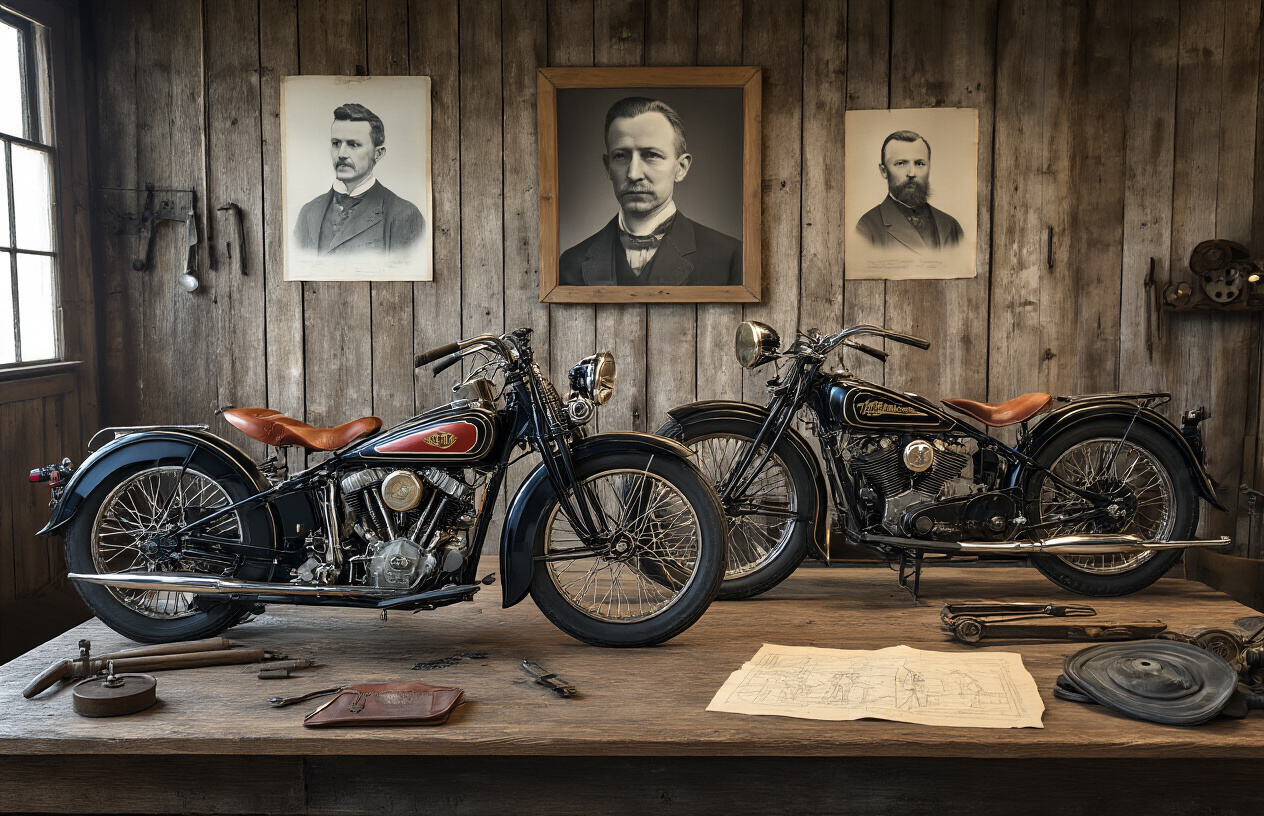
    1903: Harley-Davidson launches. Two guys in a shed create what would become an American icon.

    WWII Era: The motorcycle proves its worth in combat. Harley produces over 90,000 motorcycles for military use.

    1947: Hollister Rally—and the birth of the “outlaw biker” image.

    1969: Easy Rider hits theaters. Peter Fonda and Dennis Hopper immortalize the connection between motorcycles and American freedom.

    1970s: Japanese manufacturers flood the American market. Honda, Kawasaki, Yamaha change the game with reliable, affordable bikes.

    1983: Harley-Davidson nearly goes bankrupt, then stages one of the most remarkable comebacks in American business history.

    1990s: The cruiser boom. Everyone wants to make American-style motorcycles.

    2000s: Technology revolution. Fuel injection, ABS, and riding modes make American motorcycles more sophisticated than ever.

    2009: The recession hits motorcycle sales hard, forcing innovation.

    2020s: Electric motorcycles emerge as the potential future, with companies like Zero and even Harley (with their LiveWire) betting on battery power.

    C. How American Motorcycle Brands Conquered the Market

    American motorcycle manufacturers didn’t just build bikes—they built mythology.

    Harley-Davidson became the ultimate success story not because they always made the best motorcycles (they didn’t), but because they understood something crucial: Americans don’t just buy products, they buy stories.

    When Japanese motorcycles threatened to obliterate American brands in the 1970s and 80s with superior technology and reliability, Harley doubled down on heritage, experience, and community. They sold belonging, not just transportation.

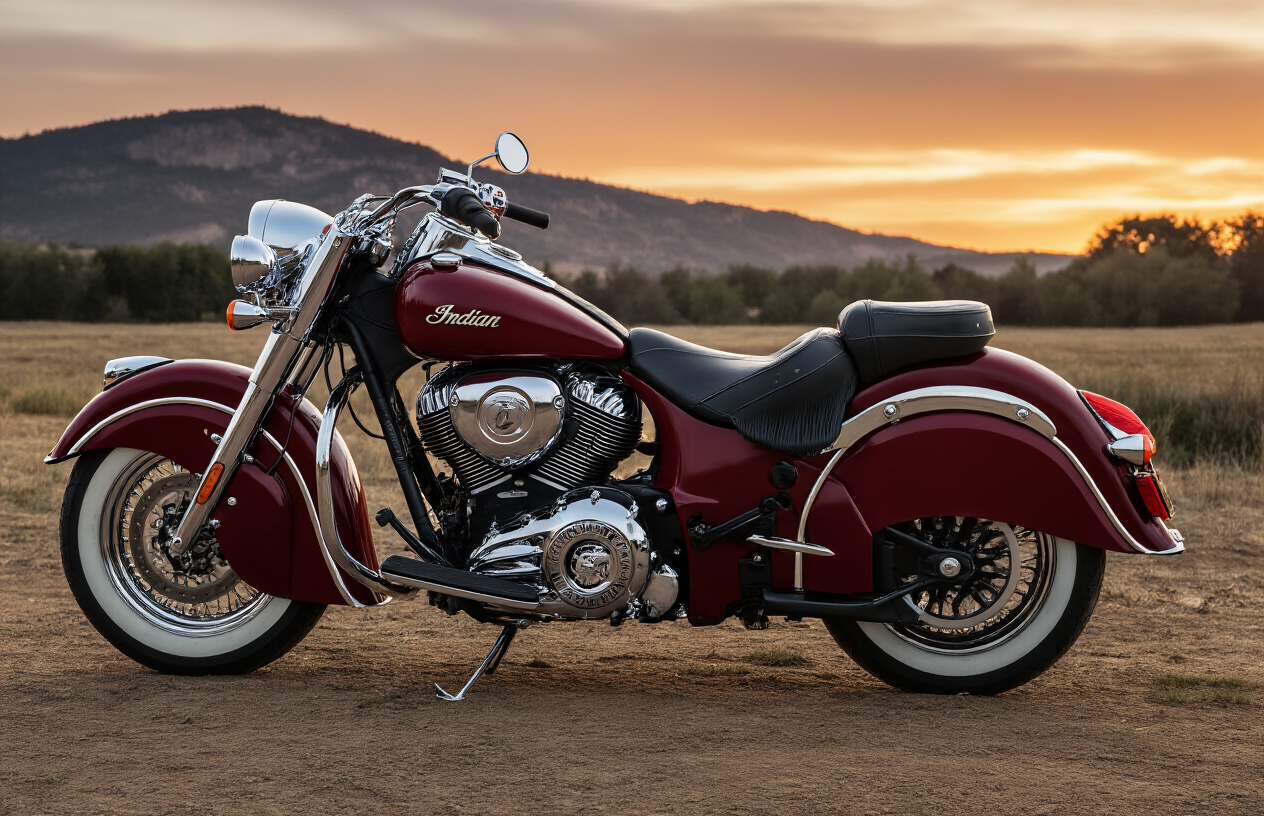
    Indian Motorcycles followed a different path. After multiple resurrections and failures, the brand finally found stable footing under Polaris in 2011. Their approach? Embrace the history while delivering modern performance.

    Victory Motorcycles (1998-2017) tried creating an American alternative to Harley but ultimately couldn’t sustain the momentum.

    What set American brands apart was their marketing genius. While Japanese manufacturers sold specifications, American companies sold lifestyle. They created rallies, owner groups, and branded merchandise that turned customers into evangelists.

    The formula worked brilliantly: build decent motorcycles, wrap them in irresistible storytelling, and foster tribal belonging. Even when foreign motorcycles objectively outperformed them, American brands maintained cultural dominance through emotional connection.

    D. The Enduring Legacy of Iconic American Motorcycles

    Some motorcycles transcend being mere machines. They become cultural landmarks.

    The 1936 Harley-Davidson Knucklehead didn’t just introduce the first overhead valve engine in a production Harley—it defined what an American motorcycle should look like for generations. Those teardrop gas tanks and hardtail frames established a visual language that persists today.

    The 1947 Indian Chief with its skirted fenders represents another distinctly American silhouette. You see one, you know immediately what it is.

    The Harley-Davidson Sportster, introduced in 1957, remains in production over 65 years later. It’s America’s longest continuously produced motorcycle model.

    Then there’s the chopper phenomenon—purely American. After returning from WWII, veterans modified their military surplus bikes, creating the stretched-out, minimalist customs that would later inspire the Captain America bike in Easy Rider.

    These motorcycles endure because they’re more than transportation—they’re cultural artifacts. They represent American ideals: independence, craftsmanship, rebellion, and reinvention.

    Even as the motorcycle industry evolves toward electrification and high technology, these icons maintain their power. New Indian Scouts and Harley Softails deliberately echo their ancestors while incorporating modern engineering.

    That’s the genius of American motorcycle culture—it constantly moves forward while never forgetting where it came from.

    Power That Defines the American Ride

    Power That Defines the American Ride

    Engine Innovations That Set US Bikes Apart

    American motorcycles have always been about more than just transportation. They’re rolling statements of mechanical excellence. US manufacturers didn’t just build engines—they created legends.

    Look at what makes American engines different: massive V-twins with displaced volumes that European bikes wouldn’t dare attempt. While Japanese and European brands chased higher RPMs, American engineers focused on building torque monsters that pull hard from idle.

    The push-rod revolution wasn’t abandoned here like elsewhere. Instead, it was perfected. These simpler valve trains create that distinctive mechanical pulse you feel between your legs. No overhead cams needed when raw character matters more.

    Torque vs. Horsepower: What American Riders Prefer

    American riders want to feel that instant punch when they roll on the throttle. They’re not revving to 14,000 RPM to find power—they want it now.

    The numbers tell the story:

    Motorcycle Type Torque Focus Horsepower Focus
    American Cruiser ★★★★★ ★★★☆☆
    European Sport ★★★☆☆ ★★★★★
    Japanese Standard ★★★★☆ ★★★★☆

    That low-end grunt means American bikes pull away from stoplights with authority. No need to downshift for passing power when you’ve got mountains of torque on tap at any RPM.

    Fuel Efficiency Meets Raw Power in Modern Designs

    Who says you can’t have your cake and eat it too? Modern American motorcycles deliver brutal power while sipping fuel more efficiently than ever.

    The secret sauce? Computer-controlled fuel injection systems that meter every drop of premium into precisely the right spot at exactly the right millisecond. Variable valve timing and cylinder deactivation technologies have transformed these beasts from gas guzzlers to reasonable companions for longer rides.

    Today’s American power plants manage to maintain their muscular character while meeting emissions standards that would have seemed impossible twenty years ago. Engineering wizardry at its finest.

    The Unmistakable Roar: Sound Engineering as a Brand Signature

    You can hear an American motorcycle coming from blocks away. That’s no accident.

    Sound engineers spend thousands of hours tuning exhaust notes to create that perfect rumble. They’re not just building engines—they’re composing mechanical symphonies. The potato-potato-potato idle isn’t a flaw; it’s a feature carefully preserved across generations.

    Many manufacturers even hold patents on their distinctive sounds. When other companies tried to mimic that iconic American exhaust note, they found themselves facing legal challenges. That’s how seriously US brands take their acoustic signatures.

    Comparing Engine Performance Across Top US Models

    The battlefield of American motorcycle performance has never been more competitive:

    Model Displacement Torque Horsepower Notable Feature
    Road King 114ci (1868cc) 118 ft-lb 84 hp Heritage-inspired pushrod V-twin
    Indian Challenger 108ci (1768cc) 128 ft-lb 122 hp Liquid-cooled overhead cam design
    Livewire Electric 86 ft-lb 105 hp Instant electric torque delivery

    Each manufacturer brings something unique to the table. Some embrace tradition with air-cooled designs, while others push forward with liquid cooling and overhead cams. The competition drives innovation while preserving what riders love about American motorcycles: their unmatched presence on the road.

    Performance Features That Dominate the Road

    Performance Features That Dominate the Road

    Handling Characteristics of America’s Favorite Motorcycles

    American motorcycles aren’t just about looking good at stoplights. They’re built to handle like nothing else on the road.

    Ever notice how a Harley leans into corners with that planted feeling? That’s no accident. The low center of gravity combined with that longer wheelbase gives you stability when you’re pushing through twisties.

    But here’s the thing most riders miss: these bikes aren’t just straight-line cruisers anymore. The newer models from Indian and Victory have completely rewritten what American handling means. They’ve taken that classic stability and added quick turn-in response that used to be exclusively Japanese territory.

    Take the latest Indian FTR – it flicks side to side like a bike half its weight while still giving you that solid American road feel.

    Long-Distance Comfort: Why US Bikes Excel in Touring

    Nobody – and I mean nobody – does touring like American motorcycles.

    Those wide, plush seats aren’t just for show. Sit on a Road Glide for 8 hours and you’ll understand why iron butt riders swear by American touring machines.

    The riding position keeps your back happy while the frame geometry absorbs road chatter before it hits your spine. That’s the secret sauce.

    Plus, wind management on these bikes is ridiculous. The fairings on American tourers are basically windtunnel-tested living rooms. I rode through a storm on an Electra Glide last summer and barely felt a drop.

    Off-Road Capabilities in Modern American Designs

    American manufacturers have quietly become off-road monsters.

    The new adventure platforms coming out of Milwaukee and elsewhere combine that torquey American power delivery with surprisingly capable suspension travel. They’re not just pretending to go off-road anymore.

    I watched a guy on a Pan America tackle terrain that would make dedicated dirt bikes nervous. The combination of electronic suspension management and ground clearance makes these bikes shockingly capable when pavement ends.

    Technology Integration That Enhances the Riding Experience

    American bikes have gone from tech-resistant to tech-dominant almost overnight.

    The infotainment systems on modern American motorcycles make your car look dated. Full smartphone integration, navigation that actually works with gloves, and rider modes that transform the bike’s character with a button press.

    The radar-assisted cruise control on the latest touring models is straight-up magic on long highways. And don’t get me started on the customization options through the companion apps. You can literally change your bike’s performance characteristics while stopping for coffee.

    The Prestige Factor: Why Americans Choose Domestic Brands

    The Prestige Factor: Why Americans Choose Domestic Brands

    Brand Loyalty in the US Motorcycle Community

    Ever noticed how some riders won’t shut up about their Harley? That’s brand loyalty on steroids.

    American motorcyclists don’t just buy bikes – they join tribes. Harley-Davidson owners are the poster children for this phenomenon. They tattoo the logo on their bodies, for crying out loud. That’s commitment.

    Indian Motorcycle riders aren’t far behind. They’ll talk your ear off about heritage and how their bike connects them to a century of American engineering. It’s not just transportation – it’s identity.

    This loyalty runs deeper than just liking a product. It’s about belonging. When you buy American, you’re not just getting a motorcycle – you’re getting a community, rallies, group rides, and friendships that often last decades.

    Price Points and Value Perception of American Motorcycles

    American motorcycles aren’t cheap. Let’s get that out of the way.

    A new Harley can set you back anywhere from $10,000 to north of $40,000. Indian motorcycles play in the same ballpark. But here’s the kicker – owners don’t see this as expensive. They see it as investment-grade value.

    Why? Resale value, for one. American bikes hold their value like nobody’s business. That Softail you buy today might be worth 70% of what you paid for it five years down the road.

    Then there’s the “cost per smile” factor. Owners justify the price tag because of the joy these machines bring. The rumble of a V-twin isn’t just noise – it’s emotional currency.

    Celebrity Endorsements and Cultural Impact

    American motorcycles are Hollywood darlings. Always have been.

    When Norman Reedus rides a custom American chopper in “The Walking Dead,” sales spike. When Jason Momoa showcases his Harley collection on Instagram, dealerships feel it.

    Movie history is packed with iconic American motorcycle moments. Easy Rider’s Captain America bike. Terminator 2’s Fat Boy scene. These images are burned into our collective consciousness.

    Musicians love them too. Bruce Springsteen, Pink, and Kid Rock all wave the American motorcycle flag. Their influence can’t be overstated – when they ride American, fans follow suit.

    Customization Culture and Personal Expression

    No two American motorcycles look the same on the road. That’s by design.

    The aftermarket parts industry for American bikes is massive – we’re talking billions of dollars. From chrome accessories to complete engine overhauls, the options are endless.

    Custom builders have elevated American motorcycles to art. Guys like Arlen Ness and Jesse James transformed stock bikes into rolling sculptures that fetch six figures.

    The customization culture isn’t just about looks – it’s deeply personal. Your bike becomes an extension of you. That thundering exhaust note? That’s your voice. The paint job? Your personality on display.

    American motorcycles aren’t just vehicles. They’re blank canvases waiting for your personal touch.

    The Competitive Landscape

    The Competitive Landscape

    How American Brands Stack Up Against Foreign Competitors

    The battle between American iron and overseas machines isn’t just about patriotism—it’s about distinct riding experiences. Harley-Davidson remains the undisputed king of American motorcycles, with Indian Motorcycle gaining serious ground since its revival under Polaris.

    When pitted against Japanese brands like Honda, Yamaha, and Kawasaki, American motorcycles win on character but often lose on price-to-performance ratio. Japanese bikes typically offer more horsepower per dollar, while American cruisers deliver that unmistakable rumble and road presence.

    European competitors like BMW, Ducati, and Triumph bring premium engineering and heritage, but American brands counter with raw attitude and customization potential that’s tough to match.

    Market Share and Sales Trends in the US

    The numbers tell an interesting story. While Japanese manufacturers dominate global sales volumes, Harley-Davidson still commands roughly 30% of the US heavyweight motorcycle market—pretty impressive for a single brand.

    Recent trends show younger riders gravitating toward smaller, more affordable options from all manufacturers. Still, American brands have responded with models like the Indian Scout and Harley Street series.

    Year-over-year sales have fluctuated, with American brands seeing modest declines offset by higher-margin limited editions and accessory sales:

    Brand Category Market Share 5-Year Trend
    American 38% -3%
    Japanese 41% +2%
    European 21% +4%

    Demographics of the American Motorcycle Owner

    The stereotype of the American motorcycle owner being a middle-aged white male isn’t completely wrong—but it’s becoming less accurate every year.

    Today’s American motorcycle landscape is changing fast. The average Harley owner is still around 50 years old, but Indian and other American brands are successfully pulling in riders in their 30s and 40s.

    Women riders now represent the fastest-growing demographic, increasing from just 10% of all riders a decade ago to nearly 20% today. American brands have noticed, designing bikes with adjustable ergonomics and lower seat heights.

    Urban professionals are emerging as a key market segment, driving demand for American motorcycles that blend heritage with modern technology. These riders want the classic look but expect Bluetooth connectivity and rider assistance features.

    Dealership Experience and Customer Service Advantages

    Walk into an American motorcycle dealership and you’ll immediately notice the difference. These aren’t just retail locations—they’re community hubs.

    American brand dealerships excel at creating lifestyle experiences. Most Harley and Indian dealerships host regular rides, barbecues, and technical workshops that foreign brands rarely match. This community-building translates to fierce brand loyalty.

    Service departments at American dealerships typically offer loaner bikes, comfortable waiting areas, and technicians who understand the emotional connection riders have with their machines. Many have expanded to include cafés, apparel shops, and event spaces.

    The personalization options at American dealerships run circles around what’s available from overseas competitors. You can literally build a one-of-a-kind motorcycle through the dealer, with factory warranty intact.

    Future Innovations Keeping US Brands at the Forefront

    American manufacturers aren’t resting on their chrome laurels. They’re pushing into new territories that might surprise you.

    Electric motorcycles represent a major frontier, with Harley’s LiveWire leading the charge (pun intended). While traditional Harley fans were skeptical, the bike has carved out an impressive niche and demonstrates American brands can innovate beyond V-twins.

    Advanced rider assistance systems are appearing on flagship American models, including radar-assisted cruise control, blind spot detection, and lean-sensitive ABS that rivals anything from Europe.

    Connected motorcycle technology is another area where American brands are investing heavily. Their latest models feature smartphone integration, cloud diagnostics, and theft recovery systems that update automatically like your phone.

    The future American motorcycle will likely balance timeless design with cutting-edge tech—heritage on the outside, innovation on the inside.

    conclusion

    American motorcycle culture has come a long way, defined by powerful engines that deliver the thrill riders crave, performance capabilities that conquer diverse terrains, and the undeniable prestige that comes with owning a domestic brand. From city streets to open highways, these machines continue to dominate the road with their distinctive blend of engineering excellence and cultural significance.

    As the competitive landscape evolves, American motorcycles maintain their special place in riders’ hearts through innovation while honoring tradition. Whether you’re an experienced rider or considering your first motorcycle purchase, the combination of power, performance, and prestige offered by American brands provides an authentic riding experience that simply can’t be replicated. The rumble of an American engine isn’t just a sound—it’s part of our national identity on two wheels.

  • Top 10 Motorcycle Brands Dominating the Roads in the USA

    Top 10 Motorcycle Brands Dominating the Roads in the USA

    Ever watched a motorcycle thunder past you and thought, “Damn, what brand is that?” You’re not alone. America’s obsession with motorcycles isn’t just about transportation—it’s about identity, freedom, and that undeniable cool factor.

    I’m about to walk you through the top 10 motorcycle brands dominating USA roads today, complete with what makes each one worth your hard-earned cash (or just your admiration from afar).

    From Harley-Davidson’s iconic rumble to Ducati’s Italian precision, these motorcycle brands aren’t just selling bikes—they’re selling lifestyles. Some command loyalty spanning generations, while others are disrupting the scene with electric innovations.

    But which brand actually delivers the best value? And which one might surprise you by outperforming its reputation? The answers might challenge everything you think you know about American motorcycle culture.

    Understanding the American Motorcycle Market

    Understanding the American Motorcycle Market

    Current market trends and statistics

    The American motorcycle market is shifting gears faster than a Superbike on a straightaway. Last year alone, sales jumped 14.2% across the country, with cruisers and adventure bikes leading the pack.

    Harley-Davidson still commands the lion’s share at 29.3% of the market, but Japanese brands are gaining ground fast. Honda, Yamaha, and Kawasaki together now account for 41% of all new motorcycle purchases.

    What’s really interesting? The average rider is changing. The typical American motorcyclist is no longer just the 50+ guy having his midlife crisis. The median age has dropped to 38, down from 47 a decade ago. Women riders have doubled in the last five years, now making up 19% of all motorcycle owners.

    Electric motorcycles are making noise too (ironically, without making much noise at all). They’ve carved out 8% of the market – triple what it was just three years ago.

    What Americans look for in a motorcycle

    Americans are picky about their bikes, and rightfully so. The days of just wanting “something that goes fast” are long gone.

    Performance still tops the list for 68% of buyers, but it’s not just about speed anymore. Riders want responsive handling, smooth power delivery, and reliable braking systems.

    Comfort has become huge, especially with more Americans using motorcycles for longer trips. Ergonomics, seat design, and wind protection rank high on buyers’ checklists.

    Tech features are the new battleground. Riders want Bluetooth connectivity, navigation systems, and advanced rider aids. About 72% of buyers under 35 consider tech features “extremely important” in their purchase decision.

    Value matters more than ever. Americans aren’t just looking at the sticker price – they’re calculating cost of ownership, including maintenance, fuel economy, and resale value.

    How brand reputation influences buying decisions

    Brand loyalty in motorcycles makes Apple fanboys look casual. Once someone rides a Harley, Indian, or Ducati, you’ll likely find them sticking with that brand for life.

    Trust is everything. About 76% of buyers said brand reputation was a “deciding factor” in their purchase. They’re not just buying a machine; they’re buying years of engineering heritage and community.

    Americans do their homework before buying. The average motorcycle buyer spends 41 hours researching online before making a decision. They’re reading forums, watching YouTube reviews, and digging into reliability reports.

    Word of mouth still dominates. Despite all the fancy marketing, 64% of new motorcycle purchases are heavily influenced by recommendations from friends and family who ride.

    Brand communities create powerful loyalty loops. Owners of brands like Harley-Davidson don’t just buy a motorcycle – they join a brotherhood. These tight-knit riding communities become part of a rider’s identity, making them far less likely to switch brands.

    Harley-Davidson: America’s Iconic Motorcycle Brand

    Harley-Davidson: America's Iconic Motorcycle Brand

    The legacy and heritage factor

    Nothing screams “America” quite like a Harley. Since 1903, Harley-Davidson has been more than just motorcycles—it’s become part of our national identity.

    What other brand has that distinctive rumble that makes heads turn before you even see the bike? That’s 120 years of engineering perfection you’re hearing.

    Born in Milwaukee, Harley survived the Great Depression, two World Wars, and countless economic downturns. Why? Because they built more than machines—they built a legacy.

    The Motor Company (as insiders call it) represents freedom on the open road. Those bar and shield logos aren’t just on bikes—they’re tattooed on thousands of riders’ bodies. That kind of brand loyalty doesn’t happen by accident.

    Most popular models on U.S. roads

    Walk down any American highway and you’ll spot these Harley icons:

    Model Why Americans Love It
    Street Glide The perfect balance of touring comfort and city style
    Road King Classic looks with modern performance
    Sportster The gateway Harley that’s converted countless riders
    Fat Boy Instant recognition thanks to Terminator 2
    Road Glide That distinctive shark-nose fairing turns heads

    The Softail lineup continues to dominate sales charts, while the Ultra Limited satisfies those who want everything plus the kitchen sink on their cross-country adventures.

    Customer loyalty and community impact

    Harley owners don’t just buy motorcycles—they join a family.

    H.O.G. (Harley Owners Group) boasts over 1 million members worldwide, with most in the USA. These aren’t casual meetups either. H.O.G. rallies draw thousands, pumping millions into local economies.

    Harley riders are fiercely loyal. The average owner buys 5+ bikes during their lifetime, often refusing to even consider other brands.

    The impact goes beyond economics. Harley riders raise millions for charities each year through organized rides. From supporting veterans to children’s hospitals, that distinctive rumble often signals help is on the way.

    Recent innovations keeping Harley competitive

    Harley isn’t just resting on its heritage. They’re evolving:

    The Pan America adventure bike shocked everyone—in a good way. Reviewers couldn’t believe a Harley could compete with BMW and KTM in this category.

    The LiveWire electric motorcycle proved the old dog could learn new tricks. Zero to 60 in 3 seconds while making virtually no noise? That’s breaking the Harley mold.

    The new Revolution Max engine platform shows they’re serious about performance, not just nostalgia.

    And for younger riders, more affordable models like the Nightster are bringing new blood into the family.

    Harley hasn’t forgotten its roots—they’ve just added new branches to the family tree.

    Japanese Dominance: Honda, Kawasaki, Yamaha, and Suzuki

    Japanese Dominance: Honda, Kawasaki, Yamaha, and Suzuki

    Why Japanese brands capture significant market share

    Walk into any American motorcycle gathering and count the bikes. You’ll notice something striking – Japanese brands are everywhere.

    It’s not just coincidence. Japanese manufacturers have mastered the perfect formula: exceptional build quality, cutting-edge technology, and competitive pricing. While American brands lean on heritage and European makers focus on luxury, Japanese brands deliver reliability that keeps riders loyal for decades.

    Their strategy? Dominating every segment from entry-level sportbikes to touring behemoths. When you can offer something for everyone without compromising quality, market domination follows naturally.

    Honda’s reliability and diverse model range

    Honda didn’t become America’s most trusted motorcycle brand by accident. They built that reputation one indestructible engine at a time.

    Their secret weapon? The broadest lineup in motorcycling. From the beginner-friendly Rebel 300 to the continent-crushing Gold Wing, Honda has crafted machines for literally every riding style and budget.

    What really sets Honda apart is their engineering philosophy. These bikes simply don’t break. Talk to any mechanic – they’ll tell you about Honda engines hitting 100,000 miles with just basic maintenance. That’s why so many riders start and finish their motorcycling journey on a Honda.

    Kawasaki’s performance appeal

    Kawasaki has built their reputation on one thing: raw, unadulterated speed.

    The iconic Ninja lineup has dominated sportbike culture for decades. When you see that lime green paint flash by, you know exactly what just passed you. Their supercharged H2 models push boundaries that other manufacturers won’t even approach.

    But Kawasaki’s appeal goes beyond just numbers on a spec sheet. They’ve cultivated a performance image that resonates with riders who want to make a statement. The distinctive styling, aggressive ergonomics, and unmistakable exhaust note create an experience that’s pure adrenaline on two wheels.

    Yamaha’s innovation and technology edge

    Yamaha consistently pushes motorcycle technology forward in ways others can’t match.

    Their crossplane crankshaft revolutionized how inline-four engines deliver power. The R1’s electronic package rivals MotoGP technology. And their recent development of radar-assisted cruise control shows they’re not slowing down innovation.

    What makes Yamaha special is how they blend this cutting-edge tech with soul. Their bikes don’t feel like computers – they feel alive. This combination of bleeding-edge development with passionate engineering explains why so many professional racers choose Yamaha for their personal bikes.

    Suzuki’s affordability and value proposition

    In a world of $20,000+ motorcycles, Suzuki stands out by delivering exceptional performance without the premium price tag.

    The GSX-R lineup offers superbike performance at thousands less than competitors. Their V-Strom adventure bikes deliver cross-country capability that riders actually can afford to take cross-country.

    Suzuki achieves this value through smart engineering – focusing development dollars on what matters most to riders while skipping unnecessary frills. They’ve mastered the art of building motorcycles that punch well above their weight class in performance while remaining accessible to average riders.

    BMW: German Engineering on American Roads

    BMW: German Engineering on American Roads

    Growing popularity among American riders

    BMW motorcycles aren’t just German machines anymore – they’ve become a full-blown American obsession. Once considered niche European imports, BMWs now regularly turn heads at U.S. rallies and fill parking lots from California to New York.

    Sales numbers tell the story. BMW’s U.S. market share jumped 15% last year alone, with the R 1250 GS becoming their runaway hit. Americans are falling for that signature boxer engine and the unmistakable BMW silhouette.

    What’s driving this growth? It’s simple – BMW figured out what American riders want: reliability for cross-country trips, tech that actually works, and bikes that look damn good parked outside coffee shops.

    Adventure touring segment leadership

    When it comes to adventure bikes, BMW wrote the rulebook with the GS series. Their R 1250 GS Adventure dominates U.S. sales charts in the adventure category – outselling competitors by significant margins.

    American riders crushing long desert stretches or tackling mountain passes trust BMW’s proven reliability. The GS’s ability to handle both highway cruising and off-road excursions makes it perfect for the diverse American landscape.

    BMW’s adventure bikes have become the gold standard for coast-to-coast expeditions. Their factory-supported adventure riding programs have created a passionate community of American GS riders who regularly meet for group rides across national parks and remote backroads.

    Luxury features that attract U.S. consumers

    BMW knows Americans love their creature comforts. Their motorcycles pack premium features that make long rides comfortable:

    • Heated grips and seats (perfect for rides through the Rockies)
    • Advanced TFT displays with smartphone connectivity
    • Adaptive cruise control and radar systems
    • Electronic suspension that adjusts to road conditions

    American riders are willing to pay more for these luxury touches. The average BMW motorcycle owner in the U.S. is typically a professional aged 35-55 with disposable income who views their bike as both transportation and status symbol.

    BMW dealerships have adapted to this premium market position by creating showroom experiences that rival luxury car dealerships – complete with lounges, custom fitting areas, and high-end riding gear.

    Indian Motorcycle: The Historic American Comeback

    Indian Motorcycle: The Historic American Comeback

    Revival of America’s oldest motorcycle brand

    Indian Motorcycle isn’t just any brand – it’s America’s first motorcycle company, born in 1901, two years before Harley-Davidson. The original Indian bikes dominated races and won the hearts of riders until the company shut down in 1953.

    Fast forward to 2011. Polaris Industries bought the brand and pulled off what many thought impossible – they brought Indian back from the dead. And not as some zombie version of its former self. No, this was a true resurrection.

    The comeback wasn’t just about slapping the Indian name on any old bike. Polaris went all-in, creating motorcycles that honored Indian’s heritage while packing them with modern tech. The Thunder Stroke 111 engine they developed sounds like thunder rolling across the plains – exactly what longtime Indian fans wanted.

    Today’s lineup includes everything from the iconic Chief to the badass FTR and comfortable touring models. Sales have climbed steadily, proving America was hungry for the return of this legendary brand.

    Head-to-head competition with Harley-Davidson

    The Indian vs. Harley rivalry is as American as it gets. These two have been battling for over a century, and the competition got white-hot when Indian came back.

    Let’s break it down:

    Category Indian Harley-Davidson
    Heritage Founded 1901 Founded 1903
    Price Premium ($15,999-$38,999) Premium ($11,499-$44,999)
    Performance Higher torque in most models Iconic V-twin sound
    Style Classic, distinctive flowing lines Bold, chunky American muscle

    Indian went straight for Harley’s jugular with the Chief and Chieftain models. They targeted riders who wanted American-made bikes but were tired of the same old Harley options.

    The competition extends beyond showrooms to the track. When Indian jumped back into American Flat Track racing with the FTR750, they dominated – winning championships and giving Harley nightmares.

    This rivalry benefits everyone. Competition forces innovation, better quality, and ultimately gives riders more amazing choices.

    Unique selling points that attract loyal followers

    What makes riders choose Indian over the competition? It’s not just one thing.

    For starters, Indian motorcycles are rolling pieces of art. Those swooping fenders, the illuminated war bonnet on the front fender, and the vintage-inspired leather seats aren’t just design elements – they’re Indian signatures that turn heads at every stoplight.

    Performance matters too. Indian bikes typically offer more torque than comparable Harley models, making them feel more responsive and powerful from the jump. The Ride Command system – a massive 7-inch touchscreen that works with gloves on – puts Indian miles ahead in the tech department.

    Customization options run deep. The Springfield Dark Horse and Chieftain models can be personalized in countless ways, letting riders create something truly unique.

    Then there’s the exclusivity factor. You’ll see dozens of Harleys at any bike meet, but only a few Indians. That rarity creates a brotherhood among Indian owners – a club where members share not just a brand choice but a commitment to riding something with a different spirit.

    The final piece? Indian’s dealer experience typically feels more premium and less pressure-filled than competitors’, creating relationships that keep riders coming back.

    Ducati: Italian Flair Capturing American Hearts

    Ducati: Italian Flair Capturing American Hearts

    Premium positioning in the U.S. market

    Ducati isn’t just another motorcycle on American roads – it’s a status symbol. When a Ducati rolls up, heads turn. Period.

    The Italian brand has masterfully positioned itself in the premium segment of the U.S. market, with most models starting north of $15,000. But Americans aren’t flinching at these prices. Ducati’s U.S. sales have been climbing steadily, with dealerships in major cities becoming gathering spots for the brand’s devoted following.

    What’s fascinating is how they’ve made “expensive” synonymous with “must-have” in a market that traditionally favored American iron. Their showrooms feel more like high-end boutiques than motorcycle shops – sleek, minimalist, and dripping with Italian design sensibility.

    Performance specs that impress American riders

    American riders love power, and Ducati delivers it in spades. The Panigale V4 R boasts a mind-bending 221 horsepower – more than many cars on the road. That’s not just a number; that’s bragging rights at every stoplight.

    Their Testastretta and Desmosedici engines aren’t just powerplants – they’re engineering marvels that perform as beautifully as they sound. The distinctive Ducati rumble has become a calling card on American highways.

    But it’s not all about straight-line speed. These bikes corner like they’re on rails, with handling that makes American canyon roads feel like they were designed specifically for Ducatis.

    Celebrity endorsements boosting brand appeal

    When Tom Cruise rips through scenes on a Ducati, America notices. The brand has cleverly woven itself into Hollywood culture, appearing in blockbusters and under celebrities who could ride anything but choose the Italian stallion.

    Orlando Bloom, Brad Pitt, and Ryan Reynolds aren’t just riders – they’re vocal enthusiasts. Their influence has helped Ducati transcend the traditional biker crowd and reach younger, affluent consumers who might never have considered motorcycling.

    Ducati’s collaboration with influencers across social media platforms has amplified this effect, creating an aspirational image that’s part performance machine, part lifestyle statement. It’s a marketing masterclass that’s paying dividends in dealer showrooms across the country.

    Triumph: British Heritage with American Appeal

    Triumph: British Heritage with American Appeal

    Modern classics resonating with U.S. riders

    When you spot a Triumph cruising down an American highway, you’re witnessing a unique marriage of British engineering and American style sensibilities. Triumph has mastered the art of creating bikes that feel both nostalgic and cutting-edge – a sweet spot that’s hitting home with U.S. riders.

    The Bonneville line? Pure magic on American roads. These bikes give riders that classic look without the headache of vintage maintenance. Riders get those timeless lines and chrome accents that turn heads at every stoplight, but with fuel injection and modern electronics that actually work when you need them to.

    American riders are particularly drawn to the Thruxton and Street Twin models. They deliver that raw, stripped-down aesthetic that’s become so popular in urban centers from Portland to Brooklyn. The sound alone – that distinctive Triumph rumble – has converted countless Harley devotees.

    Reliability improvements winning over skeptics

    Remember when “British bikes” meant keeping a toolbox strapped to your seat? Those days are gone.

    Triumph completely overhauled their manufacturing processes around 2016, and the difference is night and day. Modern Triumphs now routinely rack up 50,000+ miles with minimal issues. The electrical systems – once the butt of jokes – now stand toe-to-toe with Japanese reliability.

    What’s winning over the hardcore skeptics is the engine durability. The 900cc and 1200cc twins are practically bulletproof, with many owners reporting only routine maintenance through years of hard riding. Oil leaks, once considered a “feature” of British bikes, have been engineered out of existence.

    Dealership experience enhancing brand loyalty

    Triumph nailed something crucial that many manufacturers miss – the dealership experience matters almost as much as the bike itself.

    Walk into a Triumph dealership in America and you’ll notice it immediately. These aren’t just retail spaces; they’re community hubs. Many locations host regular ride events, maintenance clinics, and social gatherings that build genuine connections between riders.

    The staff training makes a world of difference too. Triumph salespeople actually ride the bikes they sell – a refreshing change from the script-readers at some competing dealerships. They can talk intelligently about handling characteristics and real-world performance instead of just reciting specs.

    Service departments have stepped up their game significantly. Wait times have shrunk, loaner programs have expanded, and the mechanics receive factory training that puts them leagues ahead of general motorcycle shops. This comprehensive approach has created a brand loyalty that borders on cultish – in the best possible way.

    KTM: The Austrian Off-Road Specialist

    KTM: The Austrian Off-Road Specialist

    Dominating the adventure and off-road segments

    KTM isn’t just another player in the American motorcycle market – they’re the orange crush that’s taken the off-road world by storm. When dirt bikes tear through American trails, that distinctive orange frame is becoming as common as stars and stripes at a Fourth of July parade.

    What’s their secret sauce? KTM builds bikes that practically beg to be taken off the beaten path. Their EXC and XC models don’t just handle rough terrain – they eat it for breakfast. American riders have caught on fast, making KTM the go-to brand when asphalt just won’t cut it.

    The numbers back it up too. KTM has seen double-digit growth in the US adventure segment over the past five years, outpacing nearly every competitor. Their 1290 Super Adventure and 790 Adventure models have become the benchmark that other manufacturers scramble to match.

    Racing success translating to street credibility

    KTM’s trophy cabinet is bursting at the seams. With 18 consecutive Dakar Rally wins, they’ve proven they build machines that can survive the world’s toughest race. That desert domination translates directly to street cred.

    Americans love winners, and KTM’s racing DNA flows through every bike they sell. Their “Ready to Race” slogan isn’t just marketing fluff – it’s their engineering philosophy.

    Appealing to America’s adventure-seeking riders

    Americans have a deep-rooted love for exploration and the open road. KTM taps directly into that spirit with bikes built for those who see a dirt trail and think “I wonder where that goes?”

    The brand has perfectly positioned itself for a country with such diverse riding environments. From Moab’s red rock to Appalachian forest trails, KTM’s offerings are tailor-made for American adventure seekers.

    Their dealer network has expanded strategically across the US, focusing on areas with access to prime off-road terrain. Smart move. They know their customers aren’t just buying transportation – they’re buying weekend escapes and adrenaline rushes.
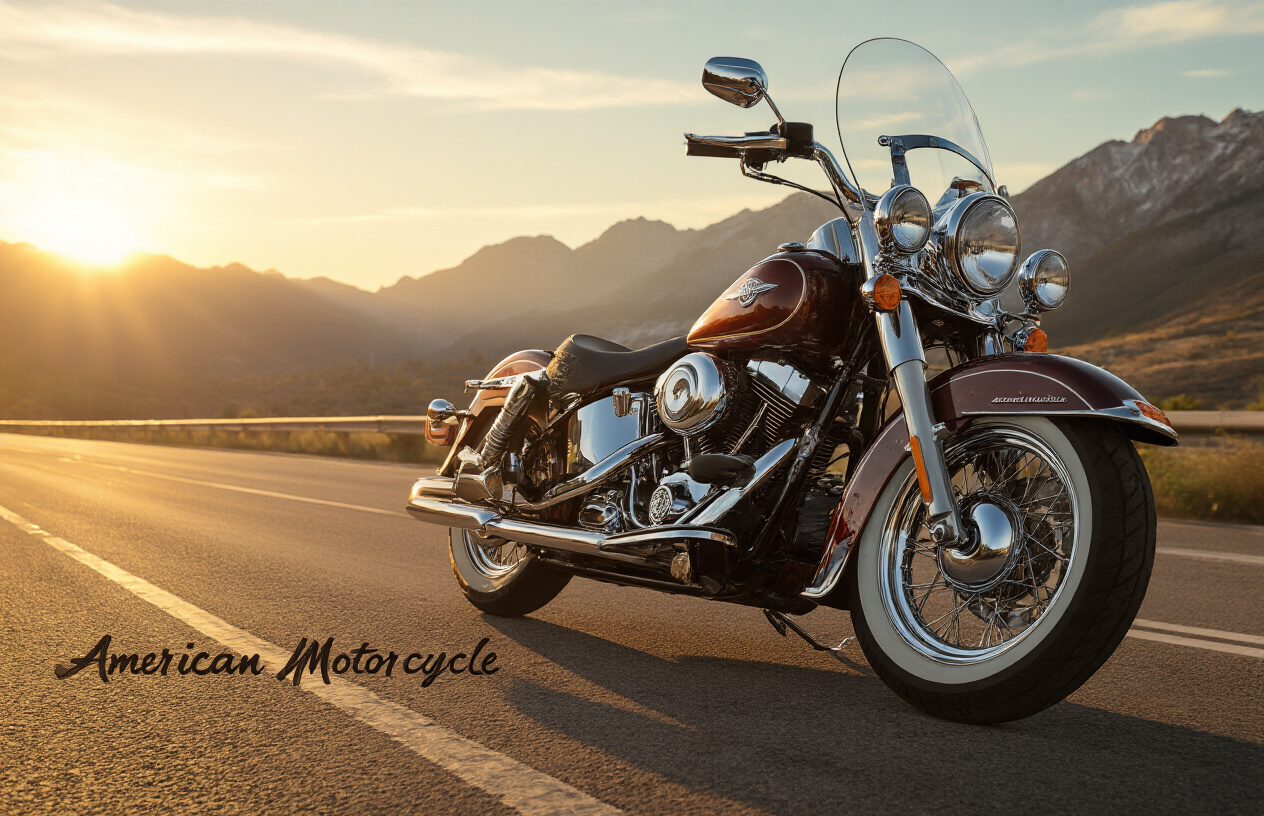
    Victory and Polaris: American Innovation

    Victory and Polaris: American Innovation

    The Rise and Impact of Victory Motorcycles

    Victory motorcycles burst onto the American scene in 1998 when Polaris Industries decided to challenge Harley-Davidson’s iron grip on the cruiser market. The first Victory bike—the V92C—turned heads with its modern take on classic American muscle.

    What made Victory stand out? Pure innovation. They weren’t stuck in the past like some other American brands. Their motorcycles packed performance that could hang with the best Japanese and European bikes, but with that unmistakable American attitude.
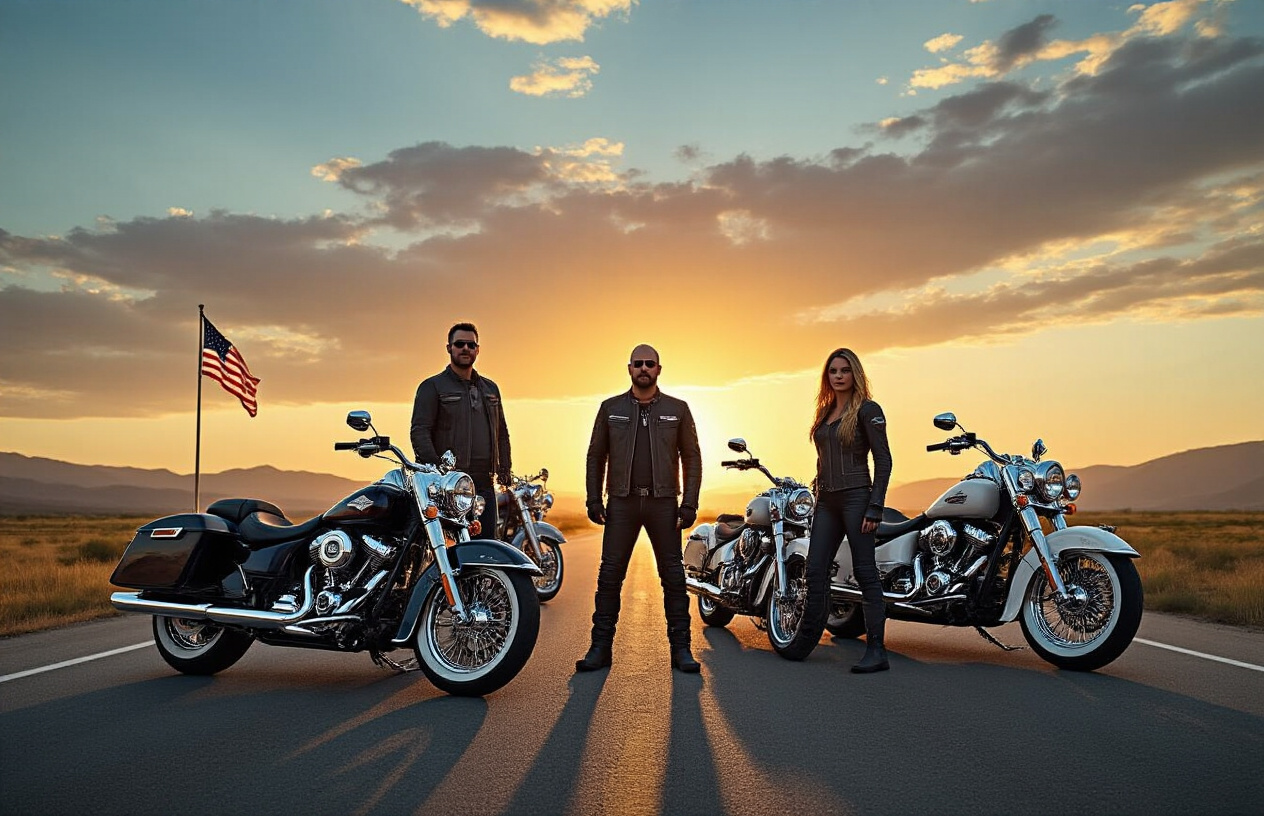
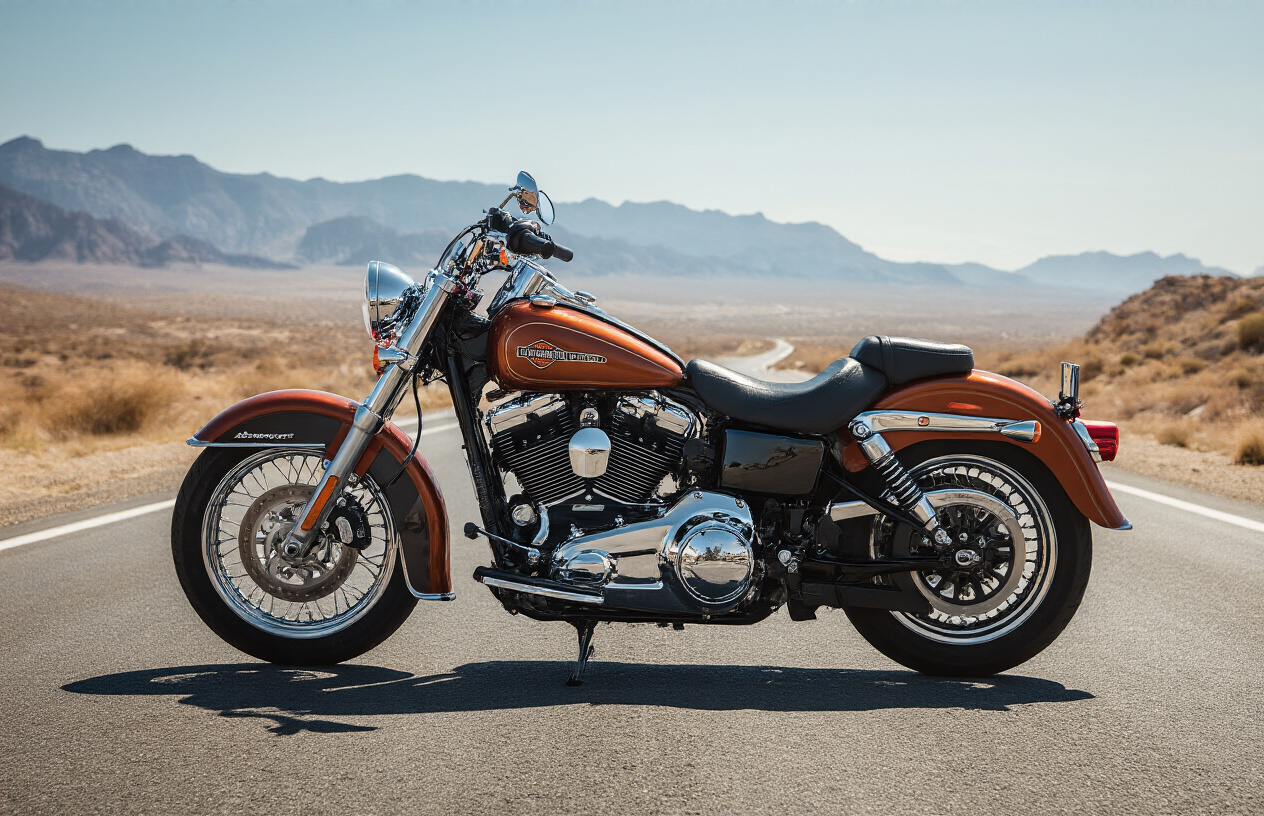
    Until production ended in 2017, Victory gave us game-changers like the Cross Country and the high-performance Judge. They attracted riders who wanted something different—something that wasn’t sitting in their dad’s garage.

    How Polaris is Shaping the American Motorcycle Landscape

    Polaris didn’t just give up after Victory. They doubled down by acquiring Indian Motorcycle in 2011—a power move that shocked the industry.

    The results speak for themselves. Indian sales have skyrocketed under Polaris management. They’ve taken the heritage appeal of America’s oldest motorcycle brand and injected it with modern engineering and reliability.

    Polaris brings something unique to the table: experience in powersports beyond just motorcycles. Their DNA from snowmobiles and ATVs shows up in their approach to building bikes that actually perform, not just look good.

    Electric Motorcycle Offerings Changing the Game

    Polaris isn’t just looking in the rearview mirror. Their LiveWire collaboration (initially under Harley-Davidson) and the introduction of all-electric Indian models prove they’re future-focused.

    The company’s commitment to electric tech is impressive. They’re not just slapping batteries on frames and calling it innovation. These bikes deliver serious performance with zero emissions.

    What’s exciting is how Polaris is maintaining that distinctive American motorcycle character while embracing electric technology. They understand that riders want the thrill and freedom of motorcycling regardless of what powers the wheels.

    Emerging Brands Making Waves in the U.S.

    Emerging Brands Making Waves in the U.S.

    Zero Motorcycles Leading the Electric Revolution

    The motorcycle world is changing, and Zero Motorcycles is at the forefront. These California-based pioneers aren’t just making electric bikes – they’re making electric bikes that riders actually want.

    What makes Zero different? Power without the guilt. Their SR/F model hits 124 mph with 140 ft-lbs of torque – numbers that make traditional riders raise their eyebrows. No gears, no clutch, just twist and go with acceleration that pins you back.

    American riders are noticing. Zero’s sales jumped 50% last year, with their charging network expanding across 30 states. When gas prices spike, these bikes start looking mighty attractive.

    Royal Enfield’s Affordable Retro Appeal

    Royal Enfield has pulled off something remarkable – making bikes that look vintage but don’t break the bank.

    Their Interceptor 650 starts under $6,000 but looks like it rolled out of the 1960s. For younger riders drowning in student debt but craving style, that’s a winning combo.

    The company’s U.S. dealerships have tripled since 2018. Why? They’ve tapped into that sweet spot between hipster cool and everyday practicality.

    Husqvarna’s Niche Market Success

    Husqvarna – that Swedish name nobody can pronounce correctly – is carving out their space with bikes that refuse to fit neatly into categories.

    Their Svartpilen and Vitpilen models look like nothing else on American roads. They’re not quite sport bikes, not quite scramblers, but completely distinctive.

    Sales are up 35% year-over-year, proving there’s room for weird and wonderful in the American market.

    What These Newcomers Mean for the Established Players

    The big boys should be sweating. These newcomers aren’t playing by the old rules.

    Harley’s scrambling to launch LiveWire while Zero’s already on their fifth generation of electric tech. Indian and Victory are pushing heritage while Royal Enfield delivers it at half the price.

    The playing field is leveling out. The days when only five brands dominated American highways are ending. Riders have more choices, more styles, and more price points than ever before.

    For consumers, it’s a golden age. For established brands, it’s adapt or die.

    conclusion

    The American motorcycle landscape showcases an impressive blend of domestic icons and international powerhouses. From Harley-Davidson’s undeniable cultural significance to the technical precision of Japanese manufacturers like Honda and Kawasaki, riders have access to an unprecedented variety of styles and experiences. European brands such as BMW, Ducati, and Triumph have successfully carved their niche in the market, while revitalized American classics like Indian Motorcycle demonstrate the enduring appeal of homegrown craftsmanship.

    Whether you’re drawn to Harley’s rumbling V-twins, KTM’s off-road capabilities, or the innovative approaches of emerging manufacturers, today’s motorcycle market offers something for every type of rider. As technology advances and consumer preferences evolve, these top brands continue to push boundaries while honoring the freedom and adventure that motorcycling has always represented. The future of American motorcycling looks bright, built on a foundation of legendary brands that continue to define and redefine what it means to dominate the open road.

  • Cruising the USA: The Most Sought-After Motorcycle Brands Today

    Cruising the USA: The Most Sought-After Motorcycle Brands Today

    Ever found yourself in a traffic jam, watching motorcycles effortlessly weave through cars while you sit there, going nowhere? Yeah, that envy hits different.

    The American motorcycle scene isn’t just about transportation—it’s a lifestyle statement, a community, an obsession. For those ready to embrace the wind-in-your-face freedom, knowing which motorcycle brands dominate US roads can make all the difference.

    From the rumbling American classics to sleek Japanese engineering, the most sought-after motorcycle brands today reflect both heritage and innovation. Riders aren’t just buying bikes; they’re buying into legacies and technological promises.

    But here’s what most people get wrong: the “best” motorcycle brand isn’t universal—it depends entirely on what kind of rider you want to become. And that’s where things get interesting…

    The American Motorcycle Renaissance

    The American Motorcycle Renaissance

    Why US motorcycles are experiencing a surge in popularity

    American motorcycles aren’t just making a comeback – they’re roaring back with a vengeance. Riders across the country are trading in their foreign bikes for homegrown iron, and the numbers don’t lie. Harley-Davidson’s stock jumped 30% last year while Indian Motorcycle reported record sales.

    What’s driving this shift? It’s pretty simple: nostalgia with a modern twist.

    Riders crave that authentic American experience – the rumble, the style, the heritage. But now they’re getting it without the headaches that plagued older models.

    Plus, let’s talk about patriotism. With manufacturing moving overseas, many riders are voting with their wallets, choosing to support American jobs and craftsmanship.

    How American brands have evolved for modern riders

    Gone are the days when American bikes meant gas-guzzling beasts that leaked oil on your garage floor.

    Today’s American motorcycles blend that classic DNA with technology that actually works. Indian’s Ride Command system makes your smartphone look primitive, while Harley’s new Pan America adventure bike proves they can compete in any category.

    The evolution isn’t just mechanical. These companies finally realized not everyone wants a chrome-laden cruiser. Now you’ll find American-made sport bikes, adventure tourers, and even electric motorcycles that’ll smoke most gas bikes off the line.

    Key innovations driving domestic brand growth

    The innovation revolution in American motorcycles breaks down into three game-changers:

    1. Performance tech that rivals anything from Japan or Europe
    2. Rider-focused features that make long trips actually comfortable
    3. Manufacturing processes that deliver better quality without astronomical prices

    Electric powertrains represent the biggest leap. Zero Motorcycles builds bikes in California that deliver 140+ mile range and charging times under an hour. LiveWire (Harley’s electric brand) isn’t just competing – it’s setting standards.

    Customization has also evolved beyond paint jobs. Modular design lets riders transform their bikes for different uses without special tools or mechanical skills.

    Harley-Davidson: The Quintessential American Legend

    Harley-Davidson: The Quintessential American Legend

    A. Latest models capturing riders’ imagination

    Nothing turns heads quite like a Harley. The 2023 lineup proves why these machines still reign supreme on American highways. The Nightster stands out with its lightweight frame and that signature rumble that makes your chest vibrate. Then there’s the Street Glide ST—basically a two-wheeled muscle car that eats highways for breakfast.

    But the real showstopper? The Low Rider ST. Harley took that classic SoCal style, beefed it up with the Milwaukee-Eight 117 engine, and created what might be the perfect blend of performance and attitude. Sales have gone through the roof, and waiting lists at dealerships don’t lie.

    B. How the brand maintains its heritage while embracing innovation

    Harley pulled off the impossible—they’ve modernized without selling their soul. The design team still hand-sketches concepts before touching a computer. The V-twin engine remains sacred, but now it’s paired with ride modes, traction control, and cornering ABS.

    Their manufacturing still happens on American soil, but the factories look nothing like they did 20 years ago. Robots handle precision work while master technicians focus on the details that make each bike special.

    The company listens to riders too. When die-hards complained about certain “improvements,” Harley backtracked and found better solutions. They’re not changing for change’s sake—they’re evolving with purpose.

    C. The Pan America: Harley’s successful adventure into new territory

    Nobody saw this coming. A Harley adventure bike? Yet the Pan America silenced critics faster than its 150-horsepower Revolution Max engine hits redline.

    This machine doesn’t just compete with European and Japanese adventure bikes—it beats them at their own game. The adaptive ride height technology alone is revolutionary, automatically lowering the bike at stops so riders of all sizes feel confident.

    Dealers report that 62% of Pan America buyers are new to the Harley brand. That’s not just a success—it’s a revolution in orange and black. The bike has won shootouts in magazines that historically favored imports, proving Harley can dominate beyond cruisers when they set their minds to it.

    D. Why Harley owners remain the most brand-loyal in the industry

    Harley doesn’t sell motorcycles—they sell membership cards. When you buy a Harley, you’re instantly part of something bigger.

    The Harley Owners Group (H.O.G.) boasts over a million members worldwide. These aren’t casual riders; these are people who tattoo the bar and shield logo on their bodies. Try finding another motorcycle brand inspiring that level of commitment.

    The community aspect is unmatched. Ride a Harley across the country and you’ll never be alone—other owners will stop to help you, share stories, or just give that knowing nod at stoplights.

    And Harley supports this loyalty with lifetime service at any dealership, extensive customization options, and events that feel more like family reunions than marketing opportunities. They’ve mastered what other brands only dream about—turning customers into evangelists who wouldn’t dream of riding anything else.

    Indian Motorcycle: The Historic Challenger

    Indian Motorcycle: The Historic Challenger

    The remarkable comeback story

    Indian Motorcycle isn’t just another bike brand – it’s America’s first motorcycle company, born in 1901. But man, what a rollercoaster ride they’ve had.

    After dominating racing circuits in the early 1900s, Indian hit rock bottom in 1953 when they shut down completely. For nearly 60 years, this legendary name gathered dust while Harley enjoyed the spotlight alone.

    Then 2011 happened. Polaris Industries swooped in, bought the brand, and kickstarted one of the most impressive comebacks in motorcycle history. They didn’t just slap the Indian logo on generic bikes – they rebuilt everything from scratch.

    The 2014 Chief lineup changed the game. These weren’t knockoffs – they were engineering masterpieces with that thunderous Thunder Stroke 111 engine that made riders’ hearts skip a beat.

    FTR series: changing perceptions of American motorcycles

    American motorcycles had a reputation: big, heavy cruisers that dominate highways but struggle when roads get twisty.

    The FTR 1200 blew that stereotype to pieces.

    Based on Indian’s dominant flat track racing bikes, the FTR brought something completely fresh to the table – an American sport naked that could hang with the best from Europe and Japan.

    With its upright riding position, 120 horsepower V-twin heart, and nimble handling, the FTR proved American bikes could carve corners with the best of them.

    What’s really cool? The FTR doesn’t try to be Japanese or European. It keeps that raw American soul – just packaged in a completely new way.

    How Indian differentiates from Harley-Davidson

    Both companies wave the American flag proudly, but they’re as different as Yankees and Dodgers fans.

    Indian embraces technology without hesitation. Ride modes, cornering ABS, fancy touchscreens – they’re all in. Harley has caught up recently, but Indian jumped in headfirst.

    Their design philosophy differs too. While Harley often plays it safe with incremental changes to their classic look, Indian takes bigger swings. The FTR was a risk that paid off. The Scout Bobber pushed boundaries. The Challenger took the battle directly to Harley’s home turf.

    Indian’s pricing strategy is also aggressive – often delivering more standard features at similar price points. They’re the hungrier competitor, constantly trying to prove themselves against the established king.

    The result? Two distinct American motorcycle experiences that couldn’t be more different despite sharing the same homeland.

    Victory & Buell: American Phoenixes

    Victory & Buell: American Phoenixes

    The resurrection of iconic American brands

    Ever wondered what happens when legendary motorcycle brands refuse to stay dead? Victory and Buell are answering that question in style.

    Victory’s comeback story is nothing short of remarkable. After Polaris pulled the plug in 2017, nobody saw the resurrection coming. But here we are, with Victory bikes back on American roads, sporting their distinctive angular styling and performance-focused engineering that always set them apart from the Harley crowd.

    Buell’s journey is even wilder. Erik Buell’s passion project got swallowed up by Harley-Davidson, then unceremoniously dumped during the 2009 financial crisis. Now they’re back with a vengeance, still building those quirky, innovative bikes with perimeter brakes and fuel-in-frame designs that made gearheads swoon.

    What’s new in their current lineups

    Victory’s new machines keep their muscle bike DNA intact while embracing modern tech. The revamped Cross Country touring models feature upgraded navigation systems and rider ergonomics that make thousand-mile rides feel like a Sunday cruise. Their new electric prototype shows they’re not just reliving past glories.

    Buell hasn’t missed a beat either. The Hammerhead 1190RX still delivers that insane 185 horsepower that’ll snap your neck back, but now with traction control systems that actually let you use all that power. Their SuperTouring model combines sportbike handling with long-distance comfort in a way only Buell could imagine.

    Who these bikes appeal to today

    Victory attracts riders who want American-made muscle without following the herd. These are the folks who appreciate engineering over image, performance over nostalgia.

    Buell’s fanbase remains among the most devoted in motorcycling. They’re the thinking rider’s choice – engineers, tech professionals, and passionate enthusiasts who appreciate Buell’s unconventional problem-solving and handling that feels like nothing else on two wheels.

    Both brands speak to riders who value the road less traveled. In a world of conformity, Victory and Buell owners are making statements about American innovation with every mile.

    American Custom Culture

    American Custom Culture

    The enduring appeal of custom choppers

    Nothing screams American motorcycle culture quite like a custom chopper rolling down the highway. These bikes aren’t just transportation—they’re rolling art pieces that capture our collective obsession with freedom and individuality.

    Why do choppers still grab our attention decades after they first appeared? It’s simple: they break rules. While factory bikes play it safe, choppers push boundaries with their stretched-out forks, fat rear tires, and outrageous paint jobs that turn heads at every stoplight.

    What started in garages after WWII has evolved into a cultural phenomenon. Veterans modified surplus military Harleys, stripping away unnecessary parts (“chopping”) to create lighter, more personalized rides. Today’s builders carry that tradition forward, even as their tools and techniques have advanced.

    Leading custom builders shaping today’s trends

    The custom scene thrives on innovation from builders who’ve become celebrities in their own right:

    • Paul Yaffe creates bikes with impossibly clean lines and attention to detail that borders on obsessive
    • Arlen Ness pioneered designs that influenced even major manufacturers
    • Roland Sands blends racing DNA with street-worthy customs
    • Revival Cycles pushes technical boundaries with museum-worthy creations

    These visionaries don’t just build bikes—they create styles that ripple through the entire industry.

    How factory customs compare to true one-offs

    The major manufacturers noticed the appeal of custom bikes and responded with their own “factory customs.” These production bikes borrow custom styling cues while maintaining dealer networks and warranties.

    True one-offs deliver something else entirely:

    Factory Customs True Custom One-Offs
    Mass-produced with “custom” aesthetics Handbuilt from ground up
    Limited customization options Unlimited personalization
    Dealer warranty protection Builder reputation as guarantee
    Predictable performance Unique riding experience

    Factory customs offer accessibility, but nothing matches the soul of a bike built specifically for you.

    The investment value of custom American motorcycles

    Custom bikes aren’t just about looking cool—they can be surprisingly smart investments. Limited-production customs from renowned builders have appreciated dramatically, sometimes outperforming traditional investments.

    Bikes from builders who’ve passed away or closed shop often see values skyrocket. Early customs by Indian Larry or Arlen Ness now command six-figure prices at auction.

    But not all customs appreciate equally. The investment sweet spot combines:

    • Exceptional craftsmanship
    • Innovation that influenced the wider industry
    • Documentation proving provenance
    • Historical significance

    The smartest collectors buy bikes they love first, with potential appreciation as a bonus. After all, you can’t ride a stock certificate on a summer evening.

    Performance Comparisons That Matter

    Performance Comparisons That Matter

    A. Power-to-weight ratios of leading American models

    American muscle doesn’t just apply to cars. When you twist the throttle on a Harley-Davidson Fat Bob, you’re commanding 114 cubic inches of pure torque. But raw power isn’t everything.

    The real magic happens in the power-to-weight department. Take Indian’s FTR 1200 – packing 120 horsepower into a 508-pound frame gives you that snap-your-neck acceleration that makes riding thrilling. Meanwhile, Victory’s legacy models still impress with their balanced approach.

    Here’s how the numbers stack up:

    Motorcycle Power (HP) Weight (lbs) Power-to-Weight
    Indian FTR 1200 120 508 0.236
    Harley Street Rod 70 505 0.139
    Motus MSTR 180 565 0.318
    Zero SR/F 110 485 0.227

    The Motus MSTR? Absolute beast. Shame they stopped making them.

    B. Handling characteristics that define American rides

    American bikes corner differently. Period.

    That long wheelbase on your Road King isn’t just for show – it delivers straight-line stability that makes highway cruising a dream. The trade-off? You’re not flicking through twisties like some Italian sport bike.

    American engineers know their market. They’ve designed machines that plant themselves on the road, giving riders confidence in their ride’s predictability.

    The new Indian Challenger breaks the mold though. Its aluminum frame and more aggressive geometry make it handle more like a sport-tourer than a traditional cruiser. The low center of gravity across most American rides means they feel more planted than their weight would suggest.

    C. Technology integration in modern American motorcycles

    Gone are the days when American bikes meant mechanical simplicity and nothing else.

    Have you seen Harley’s new Boom! Box GTS infotainment system? Touch-sensitive even with gloves on. Indian’s Ride Command system gives you a 7-inch glove-compatible touchscreen with navigation that actually works.

    American manufacturers finally understood that technology enhances the riding experience:

    • Ride modes that adjust power delivery
    • Cornering ABS that won’t let you wash out in a turn
    • Traction control systems tuned specifically for V-twin torque curves
    • Bluetooth connectivity for everything from music to phone calls

    What’s impressive is how they’ve integrated all this tech while maintaining that distinctive American feel. The soul remains intact.

    D. Value propositions compared to European and Japanese competitors

    The sticker shock is real. A fully-loaded CVO Road Glide will set you back over $40,000.

    So why bother when you could get a fully-loaded Japanese tourer for $10K less?

    American bikes hold their value better. Check out five-year depreciation numbers:

    Brand Average 5-Year Depreciation
    Harley-Davidson 31%
    Indian 35%
    Honda 46%
    BMW 41%

    Then there’s the intangible value. The highway presence. The sound. The community.

    Japanese bikes might give you more features per dollar initially, but they can’t deliver that distinctly American riding experience. European brands offer precision engineering but at premium prices that make Harleys look reasonable.

    E. Long-distance comfort features that set American bikes apart

    Crossing state lines on a motorcycle reveals its true comfort.

    American tourers and cruisers excel here. The riding position – that relaxed, feet-forward stance – reduces back fatigue on those 500-mile days. The wider, more cushioned seats support your rear end for hours without complaint.

    Premium models come with:

    • Electronically adjustable suspension that reads the road
    • Heated grips and seats for those chilly mountain passes
    • Frame-mounted fairings that direct wind over you, not at you
    • Infotainment systems that keep you connected and entertained

    The Indian Roadmaster takes things further with its ClimaCommand seats that not only heat but actively cool on scorching summer rides.

    These bikes were built for the vast American landscape, and it shows in every comfort feature they include.

    Buying Guide: Finding Your Perfect American Ride

    Buying Guide: Finding Your Perfect American Ride

    Matching riding style to the right American brand

    You’re about to drop serious cash on an American motorcycle. But which one actually fits how you ride?

    Harley-Davidson shines for cruising and touring. Their bikes are built for those long, straight highways where comfort matters more than cornering speed. If you love the rumble of a V-twin while crossing state lines, Harley’s your pick.

    Indian Motorcycles offer similar cruising appeal but with a different flavor – smoother engines and more tech features baked in. Their Scout line works great for newer riders, while their heavyweight Chieftain models compete directly with Harley’s touring lineup.

    Victory riders (though discontinued in 2017) still have a cult following for good reason – they deliver modern performance with classic American styling.

    For something completely different, Motus makes sport-touring machines that can hang with European bikes on twisty roads. Their MST models pack serious punch for riders who want American-made but aren’t sold on the cruiser vibe.

    New vs. used: where the best values lie

    The sticker shock on new American motorcycles is real. We’re talking $15-30K for many models right out the door.

    Used bikes? That’s where the smart money goes. American motorcycles typically lose 20-30% of their value in the first two years. But – unlike cars – they can run forever with proper maintenance.

    Look for 2-4 year old bikes with under 15,000 miles. The previous owner ate the depreciation, but you’re getting essentially the same machine.

    Exception: limited editions and certain classic models actually appreciate. A pristine 1969 Harley Electra Glide might cost more than your house.

    One warning – avoid heavily modified bikes unless you’re comfortable dealing with potential gremlins. That chopped frame and custom exhaust might look cool, but factory specs exist for a reason.

    Financing options specifically for American motorcycles

    Financing an American motorcycle doesn’t have to mean selling a kidney. You’ve got options.

    Manufacturer financing often beats bank rates. Harley-Davidson Financial Services regularly offers rates around 3.99% for qualified buyers, sometimes with zero down. Indian does similar promotions through their partners.

    Credit unions consistently offer better rates than traditional banks for motorcycle loans. We’re talking 1-2% less in many cases. That adds up over a 60-month loan.

    Another option? Many dealers offer in-house financing for buyers with challenged credit. The rates aren’t pretty (think 12-18%), but it gets you riding while rebuilding your credit.

    Pro tip: always get pre-approved before walking into a dealership. Nothing strengthens your negotiating position like already having financing lined up.

    Must-have accessories for the complete experience

    American motorcycles are blank canvases begging for personalization. Start with these essentials:

    Wind protection makes the difference between enjoying a ride and enduring one. A good windscreen blocks bugs and reduces fatigue without disturbing the bike’s lines.

    Upgraded seats are worth every penny. Stock seats often become torture devices after two hours. Brands like Mustang and Corbin make replacements that let you ride all day.

    Luggage solutions – saddlebags or tour packs – transform your bike from weekend toy to practical transportation. Leather looks classic, but weatherproof synthetic options need less maintenance.

    Engine guards (crash bars) protect your investment when the inevitable tip-over happens. They’re cheaper than new chrome and tank repairs.

    Don’t forget riding gear that matches your bike’s heritage. A proper leather jacket, boots, and gloves not only complete the look but might save your skin – literally.

    conclusion

    The American motorcycle landscape offers riders an impressive array of domestic brands that combine heritage, performance, and distinct personalities. From Harley-Davidson’s iconic status and unmistakable rumble to Indian Motorcycle’s rich history and competitive spirit, American manufacturers continue to capture the imagination of riders nationwide. Emerging brands like Victory and Buell demonstrate the resilience and innovation driving the industry forward, while the thriving custom culture provides endless possibilities for personalization.

    When searching for your perfect American motorcycle, consider how each brand’s performance characteristics align with your riding style and preferences. Whether you’re drawn to Harley’s commanding road presence, Indian’s balance of tradition and technology, or the unique offerings from boutique manufacturers, today’s American motorcycle renaissance ensures there’s a perfect match waiting for every enthusiast. The road is calling—make your choice and become part of America’s continuing two-wheeled legacy.

  • The Most Iconic Motorcycle Brands in America: A Rider’s Guide

    The Most Iconic Motorcycle Brands in America: A Rider’s Guide

    Ever caught yourself admiring a Harley rumbling past, wondering what makes it so damn special? There’s a reason these iconic American motorcycle brands command cult-like loyalty that borders on obsession.

    For riders, choosing between the legendary American motorcycle brands isn’t just about transportation—it’s about identity. Each iconic motorcycle brand in America tells a different story through steel, chrome, and thunder.

    Whether you’re a seasoned rider or just motorcycle-curious, this guide cuts through the marketing hype to reveal what actually matters about Harley-Davidson, Indian, and other American legends.

    But here’s what most people get wrong about these machines: the best American motorcycle isn’t necessarily the one with the biggest engine or loudest pipes…

    Heritage Legends: The Founding Fathers of American Motorcycles

    Heritage Legends: The Founding Fathers of American Motorcycles

    A. Harley-Davidson: The Bar and Shield Legacy

    Ever seen that iconic orange and black shield on the highway? That’s American motorcycle royalty right there. Harley-Davidson isn’t just a motorcycle brand – it’s a lifestyle, a culture, and for many riders, practically a religion.

    Founded in 1903 by William Harley and the Davidson brothers in a tiny wooden shed in Milwaukee, this brand defined what American motorcycles should be: big, loud, and unapologetically bold. The V-twin engine’s distinctive “potato-potato-potato” rumble has become the heartbeat of American roads.

    What makes Harley special isn’t just their bikes – it’s their survival story. They’ve weathered wars, the Great Depression, foreign competition, and nearly went bankrupt in the 1980s. But like any true American icon, they refused to die.

    Today’s Harleys blend that old-school heritage with modern tech. From the Street Glide to the Fat Boy, each model carries decades of American motorcycle DNA while still evolving. Their loyal following (often called HOGs – Harley Owners Group) is unlike anything else in motorcycling.

    B. Indian Motorcycle: America’s First Motorcycle Company

    Before Harley, there was Indian. Founded in 1901, Indian Motorcycle earned the title of America’s first motorcycle manufacturer, and boy, did they make it count.

    The early Indian Chiefs, Scouts, and Spirits dominated both streets and racetracks, with their distinctive red paint becoming synonymous with speed and craftsmanship. These weren’t just transportation – they were mechanical masterpieces.

    Indian’s story isn’t all victory laps though. The company went under in 1953, leaving a gaping hole in American motorcycling for decades. After several failed revival attempts, Polaris Industries finally resurrected the brand properly in 2011.

    The modern Indian lineup honors that rich heritage while delivering serious performance to challenge anyone – yes, even Harley. The new Scout, Chief, and FTR models combine vintage-inspired styling with modern engineering that would make the founders proud.

    C. Victory and Its Short-Lived Glory

    Victory’s story is the briefest chapter in American motorcycle history, but it deserves its place in the heritage books.

    Born in 1998 as Polaris Industries’ attempt to take on Harley-Davidson, Victory motorcycles brought something fresh to American riding: performance-focused machines with aggressive styling that stood apart from traditional cruisers.

    The Victory Vision, Cross Country, and Vegas models gained a devoted following for their distinctive looks, reliable mechanics, and value pricing. They weren’t trying to be Harley clones – they carved their own path.

    But sometimes even good bikes don’t survive. When Polaris acquired Indian Motorcycle in 2011, Victory’s days became numbered. By 2017, Polaris pulled the plug, focusing resources on Indian instead.

    Victory’s legacy lives on through their innovations and design elements that influenced American motorcycling during their 19-year run. Sometimes the brightest flames burn half as long.

    Harley-Davidson: The Quintessential American Icon

    Harley-Davidson: The Quintessential American Icon

    A. Signature Models That Defined Generations

    When you think American motorcycles, Harley-Davidson instantly roars to mind. The legendary Motor Company has created machines that didn’t just define riding—they shaped entire eras.

    The 1936 EL “Knucklehead” changed everything with its 61 cubic inch overhead valve engine. Riders still get misty-eyed talking about it. Then came the 1948 Panhead with its distinctive chrome rocker covers that looked like upside-down pans (see where the name came from?).

    The 1957 Sportster? That bad boy’s still in production today—making it one of the longest continuously manufactured motorcycles in the world. Talk about staying power.

    But nothing screams “freedom machine” like the 1971 Super Glide—Willie G. Davidson’s baby that launched the factory custom movement. And who could forget the 1980 FLT Tour Glide that revolutionized long-distance riding comfort?

    The Fat Boy exploded into popular culture when Arnold rode it in Terminator 2, while the Street Glide became the best-selling motorcycle in America, period.

    B. Evolution of the Iconic V-Twin Engine

    Harley’s V-Twin isn’t just an engine—it’s the beating heart of American motorcycling.

    The journey started with the atmospheric F-Head in 1909, putting out a whopping 7 horsepower. Not impressed? Back then, it was revolutionary.

    By 1936, the Knucklehead delivered smoother power and better reliability. The Panhead (1948-1965) brought hydraulic valve lifters and aluminum heads that ran cooler. The Shovelhead followed with increased displacement and power.

    The game changed completely in 1984 with the Evolution engine. The “Evo” finally solved Harley’s oil leak reputation while boosting performance.

    The Twin Cam arrived in 1999 with dual cams and better breathing, followed by the Twin-Cooled engines that quietly added liquid cooling to critical areas.

    Today’s Milwaukee-Eight engine delivers 50% more torque than its predecessors with four valves per cylinder and counterbalancing that eliminates the famous “Harley shake” without losing that distinctive rumble that makes Harley owners grin.

    C. The Harley Culture: More Than Just Motorcycles

    Owning a Harley isn’t buying transportation—it’s joining a tribe.

    H-D rallies aren’t events, they’re pilgrimages. Sturgis alone draws over 500,000 riders annually. Daytona Bike Week? That’s where Harley owners showcase everything from bone-stock classics to wildly customized showpieces.

    The Harley Owners Group (H.O.G.) boasts over a million members worldwide. These aren’t casual riders—they’re die-hards who plan vacations around rallies and group rides.

    Walk into any Harley dealership and you’ll find it’s as much community center as retail space. Riders gather for coffee, swap stories, and plan weekend adventures.

    The culture extends beyond riding. The bar-and-shield logo appears on everything from baby onesies to caskets (seriously). People tattoo the logo on their bodies—that’s commitment you don’t see with Honda owners.

    What other vehicle manufacturer has owners so passionate they’ll ride thousands of miles just to visit the factory in Milwaukee? Or spend more on customizing their bikes than the original purchase price?

    D. Modern Innovations While Preserving Tradition

    Harley faced a tough challenge: evolve or die while keeping their soul intact.

    They’ve pulled it off masterfully. Take the Livewire—Harley’s first electric motorcycle. It delivers face-melting acceleration (0-60 in 3 seconds) while maintaining distinctly Harley styling cues. The company created an entirely new sub-brand for their electric ventures without diluting the mothership.

    The Pan America adventure bike shocked critics by being genuinely excellent, with adaptive ride height technology that no competitor offered. It gave Harley access to an entirely new market segment.

    Their Reflex Defensive Rider Systems brought cutting-edge safety technology like cornering ABS and traction control to traditional cruisers without sacrificing their classic look.

    Behind the scenes, manufacturing transformed with robotic welding and advanced metallurgy while keeping hand-assembled final construction. Modern Harleys pack digital displays and Bluetooth connectivity inside those timeless tank shapes.

    The company’s master stroke? Making these innovations invisible to traditionalists while offering tech-savvy riders the modern features they demand. That’s how you survive 120 years in business.

    Indian Motorcycle: The Resurrected Legend

    Indian Motorcycle: The Resurrected Legend

    The Historic Rivalry with Harley-Davidson

    The Indian vs. Harley feud isn’t just motorcycle history—it’s American folklore. These two brands were throwing punches before World War II, battling on dirt tracks and salesroom floors. Indian actually came first in 1901, with Harley following in 1903. For decades, they dominated racing circuits across America, each claiming their machines were superior.

    The rivalry died when Indian folded in 1953, but the grudge never really went away. Even today, mention both brands in a bike bar and watch the arguments start. It’s like Ford vs. Chevy, but with more leather and attitude.

    FTR Series: Bringing Flat Track to the Streets

    The FTR 1200 isn’t just a motorcycle—it’s Indian flipping the bird to convention. When they launched it in 2019, it shocked everyone. Here was Indian, known for heavy cruisers, suddenly dropping a rowdy flat track-inspired naked bike with 120 horsepower.

    This wasn’t your grandpa’s Indian. The FTR brought Indian’s dirt track dominance to asphalt, with high bars, an upright riding position, and aggressive styling that makes most Harleys look like retirement homes on wheels. The latest FTR models handle even better, with tweaked ergonomics and wheel sizes that make them corner like they’re on rails.

    Today’s Scout and Chief Lineups

    Indian’s comeback story centers around two iconic names: Scout and Chief. The Scout lineup starts with the sixty—the gateway drug to Indian ownership—and runs up to the bobber variants that look like they’d steal your lunch money.

    The Chief models bring the thunder with bigger engines, more presence, and price tags to match. The Chief Dark Horse and Super Chief Limited are basically rolling art pieces with their thunderous 116-cubic-inch motors and classic lines.

    What makes the modern lineup special? They combine that vintage Indian DNA with tech that actually works. LED lighting, touchscreen displays, and ride modes all wrapped in packages that still make you look cool at stoplights.

    How Polaris Revitalized an American Classic

    Polaris didn’t just resurrect Indian in 2011—they performed a miracle. Previous attempts to bring Indian back were sad affairs that produced overpriced, underwhelming bikes trading solely on nostalgia.

    Polaris did something different. They invested serious cash, built an entirely new platform, and respected the heritage while refusing to be handcuffed by it. The Thunder Stroke engine they developed looked vintage but performed like a modern motor should.

    Unlike the failed revival attempts, Polaris understood that competing with Harley meant offering something different, not just cheaper versions of the same thing. They focused on performance, build quality, and creating a distinct identity rather than becoming “Harley-lite.”

    Performance Comparisons with Competitors

    Model Horsepower Torque Weight Price
    Indian Chief 108 hp 128 ft-lb 670 lbs $14,499+
    Harley Softail 100 hp 125 ft-lb 680 lbs $15,349+
    Indian FTR 120 hp 87 ft-lb 514 lbs $12,999+
    Triumph Bonneville 100 hp 77 ft-lb 520 lbs $12,200+

    Where Indians truly shine is torque delivery. The Thunder Stroke motors pull like freight trains from idle, while the FTR models deliver sports bike-level acceleration. Compared to Harley’s Milwaukee-Eight engines, the Indians feel more refined with less vibration.

    Weight remains the Achilles heel for both American brands, though Indian has made more progress trimming the fat. Handling-wise, Indians generally offer more cornering clearance and responsive suspension than their Harley counterparts.

    Boutique American Brands Worth Knowing

    Boutique American Brands Worth Knowing

    A. Motus: The V4 American Sport Tourer

    While Harley and Indian grab the spotlight, Motus carved its own path with something totally unexpected – an American sport tourer with a V4 engine. The Alabama-based company built the MST and premium MSTR models from 2014 to 2018, powered by their proprietary “Baby Block” V4 pushing 180 horsepower.

    What made Motus special? They dared to build what the big manufacturers wouldn’t – a comfortable, high-performance machine designed for eating miles across America’s highways with genuine sportbike DNA. No one else was doing that here.

    Sure, they weren’t cheap at $30,000+, but these bikes weren’t mass-produced cookie-cutter machines either. Each one represented American engineering ambition at its finest.

    B. Confederate/Curtiss: Mechanical Art on Two Wheels

    Confederate (now Curtiss) motorcycles aren’t just bikes – they’re rolling sculptures that happen to have engines. These machines look like they rolled straight out of a sci-fi movie with their skeletal frames, aircraft-grade materials, and totally bonkers design philosophy.

    With prices starting around $100,000 and limited production runs, these aren’t your everyday riders. They’re statement pieces built for collectors and those who demand something nobody else on the road has.

    The Wraith, Hellcat, and P51 Combat Fighter models push engineering boundaries with their exposed mechanical components and raw industrial aesthetic. When one rumbles by, you can’t help but stare.

    C. Zero Motorcycles: Leading the Electric Revolution

    While the old guard was busy perfecting combustion engines, Zero Motorcycles quietly built an empire on battery power. Founded in 2006 in Santa Cruz, California, Zero has become America’s premier electric motorcycle brand.

    Their current lineup spans everything from urban commuters to adventure bikes, with impressive specs that silence the “but it’s electric” skeptics:

    • 140+ miles range on a charge
    • 0-60 times that embarrass many gas bikes
    • Silent operation that lets you hear the world around you
    • Nearly zero maintenance (no oil changes, valve adjustments, etc.)

    The SR/F and SR/S models particularly stand out with superbike-level performance wrapped in sleek, modern designs that don’t scream “I’m different!” They just happen to be electric.

    D. Arch Motorcycle: Keanu Reeves’ Custom Dream Machines

    Yes, that Keanu Reeves. The Hollywood star partnered with master builder Gard Hollinger to create Arch Motorcycle, producing some of the most meticulously crafted production customs you can buy.

    Their flagship KRGT-1 combines the soul of a custom bike with the reliability and refinement of a production motorcycle. Each bike is built to the owner’s specifications, from ergonomics to finish details.

    What sets Arch apart is their obsessive attention to detail – over 200 parts are machined in-house from solid billet aluminum. These aren’t just rebadged customs; they’re ground-up designs with proprietary architecture.

    At $85,000+, they’re exclusive by nature, but unlike many boutique brands, an Arch is built to be ridden hard and daily if you want. These are functional art pieces that happen to go like stink.

    What Makes American Motorcycles Unique

    What Makes American Motorcycles Unique

    Design Philosophy: Form Meets Function

    American motorcycles aren’t just built—they’re sculpted. Walk into any biker bar and you’ll spot them immediately: the stretched frames, the chunky engines, the gleaming chrome.

    These bikes weren’t designed in sterile computer labs. They evolved on the open road, shaped by riders who wanted machines that looked as good parked outside a diner as they felt blasting down Route 66.

    Take Harley’s Fat Boy—all that exposed metal isn’t just showing off. It’s honest engineering, where every part earns its keep while looking damn good doing it.

    Engineering Characteristics: Torque vs. Horsepower

    European and Japanese bikes chase that high-end horsepower number. American iron? We go for torque—that gut-punch of power from the moment you twist the throttle.

    American V-twins deliver power where you actually use it: accelerating from lights, passing on highways, climbing hills with a passenger. That’s why they feel so satisfying to ride.

    The numbers tell the story:

    Characteristic American Approach Foreign Approach
    Engine Design Big-bore V-twins High-rev inline/V4s
    Power Delivery Low-end torque Top-end horsepower
    Engine Speed 2,500-4,500 RPM 8,000-14,000 RPM
    Throttle Feel Immediate grunt Build-up to power band

    Riding Ergonomics: The American Posture

    Hop on an American cruiser and you immediately feel it—that laid-back, arms-up, feet-forward stance. It’s not just style. This posture distributes your weight across your entire body, reducing fatigue on those long highway stretches.

    The wide handlebars give you leverage for low-speed maneuvers while creating that iconic silhouette. Your spine stays neutral, not hunched over like on a sportbike or bolt upright like on adventure models.

    Customization Culture and Aftermarket Support

    American motorcycles aren’t finished when they leave the factory—they’re just getting started. The customization scene isn’t just accepted, it’s expected.

    From mild to wild, the aftermarket for American bikes dwarfs what’s available for other brands. Entire companies exist just to make parts for a single model line.

    This modding mentality is baked into the DNA of American motorcycling. The factory frame and engine are just a canvas—the finished bike is your personal expression on two wheels.

    conclusion

    The American Motorcycle Legacy

    From the roaring engines of Harley-Davidson that have defined the open road experience for generations to the phoenix-like resurrection of Indian Motorcycle, American motorcycle brands have carved out a unique place in both our cultural landscape and riders’ hearts. Each brand brings something special—whether it’s the unmistakable rumble of a V-twin engine, the craftsmanship evident in every weld, or the community that forms around these mechanical works of art.

    As you consider your next ride, remember that choosing an American motorcycle isn’t just a purchase—it’s joining a legacy. Whether you gravitate toward the mainstream appeal of heritage brands or the exclusive craftsmanship of boutique manufacturers, these motorcycles offer more than transportation—they deliver freedom, identity, and a riding experience that’s distinctly American. The road awaits—what will your choice say about you?

  • 2025–2029: The Future of Driving Is Here – Are You Ready for These Cars?

    2025–2029: The Future of Driving Is Here – Are You Ready for These Cars?

    Ever wondered what it would feel like to nap while your car drives you to work? Or have your vehicle park itself when you’re running late for dinner? Buckle up, because that future isn’t decades away—it’s practically in your driveway.

    The next five years will revolutionize everything you thought you knew about driving. From cars that predict traffic jams before they happen to vehicles that charge themselves without a plug.

    The future of automotive technology is racing toward us faster than most people realize. And honestly, the cars coming between 2025-2029 will make today’s “advanced” vehicles look like antiques.

    But here’s what nobody’s talking about: are regular drivers actually ready for this shift? Because the technology is ready for you, whether you’re prepared or not.

    Autonomous Driving Technologies Dominating 2025-2029

    Level 4 and 5 Self-Driving Features Becoming Standard

    Remember when Tesla Autopilot seemed futuristic? Fast forward to 2025, and Level 4 autonomy isn’t just for luxury vehicles anymore. Mainstream cars now handle entire trips without driver input in most conditions.

    By 2027, we’re seeing Level 5 autonomy creeping into mid-range models. Your car literally does everything—rain, snow, unmarked roads, construction zones—the works. No steering wheel required (though regulations still mandate them in most places).

    The price? Dropping like a rock. What cost $15,000 as an option in 2023 comes standard in a $35,000 vehicle now. Manufacturers realized autonomous tech sells cars faster than horsepower ever did.

    Advanced AI Navigation Systems That Learn Your Preferences

    Your car now knows you better than your spouse. No joke.

    These new AI systems track everything—where you go, when you go there, how you like to get there. Monday morning? Your car already knows you’ll want to stop for coffee before work. Friday evening? It’s suggesting that Thai place you love.

    The really mind-blowing part? It adjusts based on your mood. Had a stressful day? The AI detects it in your voice patterns and suggests a scenic route home instead of the fastest one.

    Smart Infrastructure Communication Capabilities

    V2X (vehicle-to-everything) communication isn’t just fancy tech talk anymore. Your 2026 model constantly chats with traffic lights, other vehicles, and even pedestrians’ smartphones.

    The result? Traffic flows like water. Your car knows exactly when that light will turn green or that a truck two intersections away is about to make a wide turn.

    Cities that have upgraded their infrastructure report 43% fewer accidents and 27% reduced commute times. Not all urban areas are fully equipped yet, but by 2029, it’ll be as standard as traffic lights.

    The End of Parking Hassles: Self-Parking and Retrieval

    Gone are the days of circling the block for parking. Your car drops you at the entrance and finds its own spot—sometimes blocks away in designated autonomous parking zones.

    Need your car back? Just tap your app. Your vehicle navigates back to you, timing its arrival precisely when you’re ready to leave.

    This tech has transformed urban planning. New buildings require 40% less parking space, allowing for more housing, parks, and businesses where concrete structures once dominated.

    Electric Revolution: Beyond the Basics

    Electric Revolution: Beyond the Basics

    A. 500+ Mile Range Batteries as Standard

    Remember when 250 miles of range was impressive? Those days are about to look prehistoric. By 2026, most electric vehicles hitting the market will pack 500+ mile ranges as standard equipment. Not premium. Not an upgrade. Standard.

    The battery tech revolution isn’t coming—it’s already happened in the labs. Solid-state batteries aren’t just hype anymore. They’re moving from research papers to production lines as we speak. Companies like QuantumScape and Toyota have cracked the code, doubling energy density while cutting weight by 30%.

    What does this mean for you? Road trips without the range anxiety. No more planning your day around charging stops. No more watching the battery percentage like it’s a ticking time bomb.

    B. Ultra-Fast Charging: Full Power in Under 10 Minutes

    Gas stations aren’t disappearing—they’re evolving. The 2025-2027 wave of EVs will charge faster than you can finish your coffee.

    The 350kW chargers we have now? Cute toys compared to what’s coming. We’re talking 800kW to 1MW charging stations that’ll add 300 miles in about 8 minutes. Porsche and Hyundai are already testing systems that make Tesla’s Superchargers look like they’re charging through a garden hose.

    C. Bidirectional Charging: How Your Car Will Power Your Home

    Your next car isn’t just transportation—it’s a giant battery on wheels that’ll slash your electric bill.

    During a blackout, your Ford F-150 Lightning can already power your home for days. By 2026, every EV will do this, plus more. They’ll automatically sell power back to the grid during peak hours and buy it during cheap ones. Early adopters are already saving $1,500 annually on their electric bills.

    D. The Extinction Timeline for Combustion Engines

    The writing’s on the wall, folks. Gas cars aren’t going extinct overnight, but their days are numbered.

    By 2027, most major manufacturers will stop developing new combustion engines entirely. Their R&D dollars are already flooding into electric platforms. GM, Volkswagen, and Volvo have set hard end dates for gas vehicle production between 2030-2035.

    The used market will follow a pricing cliff we’ve seen before with obsolete tech. Remember how fast CRT TVs became worthless? The same thing’s happening with gas guzzlers.

    E. Subscription-Based Power Upgrades

    The most controversial trend coming? Your car will have hardware capabilities you’ll need to “unlock” with your wallet.

    BMW already charges a subscription for heated seats in some markets. Tesla sells acceleration boosts via app. By 2026, this will be standard practice across the industry.

    Your car might have 400 horsepower hardware but ship with only 300 “activated.” Want the full power? That’ll be $49.99 a month. Limited-time promotional upgrades during road trips. Temporary performance boosts for track days.

    The future of cars is software-defined. The upside? Your vehicle gets better over time. The downside? Get ready for car features to follow the Netflix model.

    Reimagined Car Interiors for the Autonomous Age

    Reimagined Car Interiors for the Autonomous Age

    A. Living Room on Wheels: Fully Reconfigurable Spaces

    Remember when cars were just for driving? Those days are disappearing fast.

    The 2025-2029 models are turning vehicles into actual living spaces. We’re talking seats that swivel 180 degrees to face each other. Imagine having a conversation with your passengers while looking them in the eye—not stealing glances in the rearview mirror.

    The new Mercedes EQS Lounge and BMW i8 Vision are pioneering modular interiors where seats fold completely flat or arrange in a circle. Some models feature removable center consoles that transform into tables for work or dining.

    And it’s not just luxury brands. By 2027, even mid-range vehicles will offer interiors that change based on driving mode. In autonomous mode, steering wheels retract into the dashboard, creating space that simply didn’t exist in traditional vehicles.

    B. Windshields as Interactive Displays

    Your windshield is becoming the world’s largest smartphone screen.

    Augmented reality displays are now stretching across the entire front glass. The 2026 Audi e-tron Vision projects navigation arrows directly onto the road ahead. Weather information, restaurant reviews, and traffic alerts appear as you approach them—no more squinting at a tiny screen.

    Gaming during your commute? Absolutely. When parked or in autonomous mode, windshields transform into cinema-quality displays. The new Hyundai Ioniq Series offers split-screen functionality so passengers can watch different content simultaneously.

    The coolest part? Gesture controls mean you wave your hand to answer calls or swipe through options without touching anything.

    C. Biometric Controls and Personalization

    Keys are officially ancient history.

    Cars now recognize you before you even touch the door. Facial recognition, fingerprint sensors, and even gait analysis unlock vehicles as you approach. The 2025 Toyota Concept-i learns your preferences over time—adjusting seat position, temperature, music, and even driving dynamics based on your mood.

    Stress sensors built into steering wheels detect when you’re tense and automatically adjust lighting, music, and even scent to calm you down. The Volvo EX90 has eye-tracking technology that knows when you’re distracted or drowsy and responds accordingly.

    Voice controls have evolved beyond basic commands. You can have actual conversations with your vehicle’s AI. “I’m running late for a meeting” automatically triggers your car to find the fastest route and notify your calendar contacts.

    The Connected Car Ecosystem

    Car-to-Everything (C2X) Communication Benefits

    Remember when cars were just, well, cars? Those days are gone. The vehicles hitting the streets between 2025-2029 won’t just drive you around—they’ll be constantly chatting with everything around them.

    C2X communication is the game-changer we’ve been waiting for. Your car will talk to other vehicles, warning you about that guy who slammed on his brakes half a mile ahead. It’ll communicate with traffic lights so you know exactly when that red light turns green. No more guessing games.

    The safety implications are massive. Studies show C2X could prevent up to 80% of non-impaired crashes. Think about that. Your car will know about dangers before you do—like the truck running a red light or the cyclist in your blind spot.

    And traffic jams? They’ll become relics of the past. Your connected car will reroute you around congestion before you’re stuck in it, saving the average commuter about 70 hours annually. That’s nearly three full days of your life back every year!

    Smart City Integration Features

    The coolest cars of 2025-2029 won’t just connect to other vehicles—they’ll become active participants in smart cities.

    Picture this: You’re heading downtown for dinner. Your car automatically finds and reserves parking, guides you directly to the spot, and handles payment. No more circling blocks or fumbling for change.

    Smart cities will prioritize connected vehicles at intersections based on occupancy and emergency status. Full bus coming through? It gets priority. Ambulance nearby? Traffic parts like the Red Sea.

    Your vehicle will tap into city infrastructure to warn about road conditions—potholes, ice patches, construction—before you encounter them. Some models will even report infrastructure issues to city maintenance crews automatically.

    The real magic happens with energy management. Electric vehicles will coordinate charging schedules with the power grid during off-peak hours and potentially sell excess power back during high demand. Your car becomes part of the city’s energy solution.

    Predictive Maintenance That Eliminates Breakdowns

    The days of unexpected breakdowns leaving you stranded on the highway? They’re history.

    The 2025-2029 generation of vehicles comes equipped with hundreds of sensors continuously monitoring every component. Your car won’t just tell you when something’s wrong—it’ll predict failures before they happen.

    AI algorithms will analyze patterns in your specific driving habits, environmental conditions, and component wear to create personalized maintenance schedules. Your car might notify you: “Based on your frequent short trips in cold weather, your battery will need replacement in approximately 43 days.”

    Most impressive is the self-healing capability. Many components will automatically adjust their performance parameters when degradation is detected. Your transmission might shift differently to reduce stress on wearing parts until you can get it serviced.

    Manufacturers are rolling out subscription services that handle everything—scheduling appointments when problems are predicted, ordering parts in advance, and even sending mobile technicians to your location. Complete peace of mind on four wheels.

    Digital Twin Technology for Your Vehicle

    Digital twin technology might sound like sci-fi, but it’s about to transform your relationship with your car.

    Every new vehicle will have a virtual replica—a digital twin—living in the cloud. This isn’t just a digital manual; it’s a dynamic, evolving model that mirrors your actual car in real-time.

    The twin records every mile driven, every maintenance performed, every modification made. Need to troubleshoot an issue? Mechanics won’t have to guess what’s wrong—they’ll simulate different scenarios on your car’s digital twin to pinpoint the problem.

    What’s truly revolutionary is how this affects resale value. Used car buyers won’t rely on your word about maintenance history—the digital twin provides an unalterable record of the vehicle’s entire life. Well-maintained cars will command premium prices based on verified data, not promises.

    Personalization reaches new heights too. Test different accessories, modifications, or even paint colors on your digital twin before making changes to the physical car. Want to see how those 20-inch rims look before dropping two grand? Your digital twin has you covered.

    Ownership Models Transforming by 2029

    A. Subscription-Based Car Access vs. Traditional Ownership

    Car ownership is dying. Not overnight, but it’s happening.

    By 2029, most urban dwellers won’t see the point of dropping $50,000 on something that sits unused 95% of the time. Instead, they’ll pay $299-599 monthly for subscription services that give them access to different vehicles whenever they need them.

    Think about it – Monday you need a compact for commuting, Friday you want an SUV for a weekend trip, and next month you’re eyeing that convertible for summer. With subscriptions, you just swap them out through an app.

    Companies like Volvo, Porsche, and newcomers like Lynk & Co are already showing us the future:

    Traditional Ownership Subscription Model
    Large upfront cost Low/no down payment
    Single vehicle Access to multiple vehicles
    Maintenance headaches All-inclusive service
    Depreciation losses No long-term commitment

    The numbers tell the story – subscription models are growing 71% year-over-year while traditional financing is flat. Most major manufacturers are scrambling to create their own programs because they see the writing on the wall.

    B. Autonomous Ride-Sharing Economics

    The math behind self-driving taxis is about to break the transportation industry wide open.

    When you remove the driver from the equation (who typically takes 70-80% of the fare), the cost of getting from A to B plummets. We’re talking $0.25 per mile instead of $2.50.

    Waymo and Cruise are already running driverless taxis in select cities, but by 2029, they’ll be everywhere. The economics are simply too compelling to ignore:

    A typical car owner spends about $9,000 annually on their vehicle. Compare that to someone using autonomous ride-sharing at roughly $3,000 per year for the same amount of travel. The savings are massive.

    For companies, each self-driving taxi can generate $300,000+ in revenue annually while operating nearly 24/7, compared to privately-owned vehicles that sit idle most of the time.

    The ripple effects are enormous. Parking lots will become obsolete. Gas stations will transform. And two-car families might become zero-car families, putting that garage space and car budget to better use.

    C. Fractional Ownership Platforms

    Not ready to give up ownership entirely? Fractional ownership might be your sweet spot.

    Think of it as the timeshare model, but for vehicles. You and 3-5 other people co-own a single vehicle, splitting all costs proportionally. You each get guaranteed access for specific days or hours, managed through blockchain-secured scheduling apps.

    By 2029, this model will make luxury and specialty vehicles accessible to the average person:

    “I could never afford a $120,000 Porsche on my own, but owning 1/4 of one for $30,000? That works for my budget and my lifestyle.”

    Startups like Curbo and ShareMyCar are pioneering this approach, focusing on premium vehicles that people want occasional access to but can’t justify owning outright.

    The technology makes it seamless – smart locks, usage tracking, automated billing, and even maintenance scheduling happen in the background. No more awkward conversations with your co-owners about who left the tank empty.

    D. The New Insurance Landscape for Self-Driving Vehicles

    Insurance for self-driving cars in 2029 will look nothing like today’s policies.

    Who’s responsible in an accident – the passenger, the manufacturer, or the software developer? The industry is completely reinventing itself around this question.

    Per-mile policies will become standard, with rates dynamically adjusted based on real-time risk factors. Drive in bad weather? Your rate goes up temporarily. Let the AI take complete control? Your rate drops substantially.

    The most fascinating shift: insurance will move from the individual to the vehicle itself. Each autonomous car will carry its own policy, with costs distributed across all users.

    Data shows accident rates with Level 4+ autonomous vehicles are already 90% lower than human drivers. By 2029, insurers will have refined their models to reflect this reality.

    Some innovative policies already emerging:

    • Usage-based microinsurance that activates only when you’re in the vehicle
    • Subscription bundles that include both vehicle access and insurance
    • Reputation-based premiums that decrease as your autonomous vehicle builds a safe driving history

    The old insurance industry won’t recognize itself by the end of the decade. And for consumers, that’s mostly good news.

    The automotive landscape of 2025-2029 promises to be revolutionary, with autonomous driving technologies taking center stage in our daily commutes. Electric vehicles will evolve far beyond today’s models, offering enhanced range, faster charging, and innovative power solutions. Meanwhile, car interiors will transform dramatically to accommodate our new role as passengers rather than drivers, creating spaces designed for productivity, entertainment, and relaxation.

    As vehicles become fully integrated into our digital ecosystems, the connected car will serve as an extension of our homes and workplaces. Perhaps most significantly, traditional car ownership will give way to flexible subscription services and shared mobility solutions. Whether you’re an early adopter eager to embrace these changes or someone watching cautiously from the sidelines, one thing is clear: the future of driving isn’t just approaching—it’s already here, and the time to prepare for this transportation revolution is now.

  • 20 Exciting Cars Set for Release in 2025 and 2026 – Worth Holding Out For?

    20 Exciting Cars Set for Release in 2025 and 2026 – Worth Holding Out For?

    Ever felt that mild panic when dropping $40,000 on a new car, only to see something way cooler announced a month later? Yeah, that gut-punch feeling is real.

    The automotive landscape is about to undergo a seismic shift with new cars coming in 2025 and 2026 that might make today’s purchases look decidedly… yesterday. From electric hypercars to affordable EVs that actually make sense, the next two years are packed with releases worth waiting for.

    I’ve spent weeks sorting through manufacturer announcements, spy shots, and industry leaks to separate the genuine game-changers from the marketing fluff. And honestly? Some of these upcoming models have features that will make you glad you held onto your current ride a bit longer.

    But here’s the million-dollar question – is delaying your car purchase actually worth it?

    The Evolution of Automotive Innovation: 2025-2026

    The Evolution of Automotive Innovation: 2025-2026

    Game-changing technological advancements

    The automotive landscape is about to get a serious upgrade. Cars releasing in 2025-2026 aren’t just new models – they’re completely reimagining what vehicles can do.

    Autonomous driving is finally maturing beyond the fancy marketing speak. Level 3 and 4 automation will become standard in premium models, with some manufacturers promising hands-free highway driving for up to 80% of journeys.

    Battery tech is making massive leaps too. Solid-state batteries are moving from lab experiments to actual production cars, promising 500+ mile ranges and charging times slashed to under 15 minutes. Toyota and Volkswagen are leading this charge, no pun intended.

    The interiors? Think less car, more living room. Augmented reality windshields will overlay navigation directions onto the actual road, while customizable ambient lighting and reconfigurable spaces transform based on whether you’re commuting or road-tripping.

    Shifting consumer preferences driving design

    Gone are the days when a sleek silhouette was enough. Today’s buyers want cars that reflect their personal brand and lifestyle choices.

    Modularity is the buzzword designers can’t stop using. Many 2025-2026 models feature interchangeable body panels and interior components that owners can swap out as easily as changing phone cases.

    The SUV craze? It’s evolving. The new crop of vehicles blend categories in ways we haven’t seen before – think ultra-compact SUVs with convertible roofs and pickup beds that expand or contract based on your needs.

    Digital personalization goes beyond screens. Your car will recognize you, adjust everything to your preferences, and even suggest routes based on your mood that day.

    Environmental regulations influencing new models

    Automakers aren’t just going green because it’s trendy – they’re doing it because they have to.

    Europe’s Euro 7 standards and similar regulations worldwide are forcing unprecedented innovation. Many brands are skipping hybrid steps entirely, moving straight to all-electric lineups by 2026. Those still making combustion engines are engineering them to run on synthetic carbon-neutral fuels.

    Materials inside these cars tell their own environmental story. Recycled ocean plastics, mushroom leather, and carbon-capturing fabrics aren’t just marketing gimmicks anymore – they’re becoming standard across price points.

    Manufacturing processes are changing too. Several 2025 models will be built in carbon-negative factories that actually remove more CO2 from the atmosphere than they produce.

    How 2025-2026 models compare to current offerings

    The jump from today’s cars to these future models isn’t incremental – it’s revolutionary.

    Feature Current Models (2023-2024) Upcoming Models (2025-2026)
    Range (EVs) 250-350 miles typical 400-600+ miles common
    Charging 20-40 minutes (10%-80%) 8-15 minutes (10%-80%)
    Automation Level 2, driver monitoring Level 3-4, limited hands-off
    Materials Limited sustainable options Comprehensive eco-materials
    Connectivity Smartphone integration Full digital ecosystem integration

    The pricing might surprise you. While flagship tech models will command premium prices, competition is fierce enough that many innovations will quickly filter down to mainstream models.

    The simple truth? Waiting until 2025-2026 means skipping an entire technological generation. Cars launching then will make today’s “advanced” vehicles feel as outdated as flip phones in the age of smartphones.

    Luxury Sedans and Sports Cars Worth the Wait

    Luxury Sedans and Sports Cars Worth the Wait

    A. Revolutionary performance specifications

    Ever seen a car that makes your jaw drop before you even know the specs? The 2025-2026 luxury lineup is that car. We’re talking about electric hypercars hitting 0-60 in under 2 seconds. Not a typo. TWO seconds.

    The Mercedes AMG One successor is rumored to pack over 1,200 horsepower while Bugatti’s next flagship might push 1,800 hp. Ridiculous numbers that weren’t possible five years ago.

    But raw power isn’t everything. The new Porsche electric sports cars are integrating four-wheel steering that responds in milliseconds, not seconds. Ferrari’s hybridization strategy isn’t just about emissions—it’s delivering torque that pins you to your seat from 0 RPM.

    B. Next-generation interior experiences

    Forget what you know about car interiors. The 2026 Bentley Flying Spur will feature augmented reality displays that project navigation directly onto the road ahead. No more looking down at screens.

    The Rolls-Royce Spectre is bringing electrochromic glass roofs that adjust transparency based on sunlight intensity and your preferences. Touch a button, and the entire roof goes from clear to opaque.

    Mercedes is testing seats with 64-point pressure mapping that adjusts to your body in real-time. Backache on long drives? Not anymore. And haptic feedback controls are replacing buttons—you’ll feel a gentle pulse when you’ve activated a function.

    C. Pricing expectations and value proposition

    The sticker shock is real. Most of these beauties start north of $200,000, with limited editions pushing past $2 million. The Aston Martin Vanquish will likely command $350,000 while the new Ferrari SF90 successor might hit $625,000.

    But here’s what nobody’s talking about: depreciation curves are flattening for these ultra-luxury vehicles. The Porsche Taycan Turbo S has held value better than expected, setting a precedent for electric performance cars.

    And the tech trickles down fast. The air suspension system in the upcoming S-Class will appear in the E-Class within 18 months. You’re essentially paying to beta-test tomorrow’s mainstream features.

    D. Limited editions and collector opportunities

    Smart money is watching the Lamborghini Ultimae successor. Only 999 units planned worldwide, and they’re already oversubscribed by 300%. That’s not just a car—it’s an investment that might outperform your stock portfolio.

    Bugatti’s final pure-combustion hypercar will be limited to just 99 examples. Collectors are placing $500,000 deposits without seeing so much as a sketch.

    McLaren is creating a 25-unit special edition with body panels woven from carbon fiber and titanium—a manufacturing technique never before used in automotive production. Each one is practically a museum piece from day one.

    E. Head-turning design elements

    The 2026 Maserati GranTurismo is bringing back suicide doors—but electrified and with biometric security. Just approach the car and it recognizes you, swinging open without a touch.

    Aston Martin’s new design language features illuminated grilles that create a 3D light signature visible from blocks away. Their signature side strakes now integrate cooling channels that glow subtly at night.

    Porsche is experimenting with “living surfaces”—exterior panels that subtly reshape at speed for better aerodynamics. The rear wing on the new 911 variant doesn’t just extend; it morphs its profile depending on your speed and driving mode.

    Ferrari’s next flagship will feature glass panels in the hood, showcasing the engineering masterpiece underneath with theatrical lighting. It’s not just transportation—it’s performance art.

    Electric Vehicles Leading the Charge

    Electric Vehicles Leading the Charge

    Extended range breakthroughs

    The EV game is completely changing for 2025-2026. Remember when 300 miles was impressive? Those days are done. Several upcoming models are smashing the 400-mile barrier without breaking a sweat.

    Mercedes has their Vision EQXX concept tech filtering into production cars, promising over 620 miles on a single charge. Tesla’s next-gen Model 3 Highland is rumored to push beyond 450 miles using their new battery architecture.

    The real eye-opener? Solid-state batteries finally moving from lab to road. Toyota and Nissan both have models planned with this tech, potentially offering 600+ miles range and drastically reduced weight.

    Chinese manufacturer NIO isn’t messing around either – their upcoming ET7 sedan aims for 500+ miles using their latest battery pack designs.

    Faster charging capabilities

    Gone are the days of planning your entire day around charging stops. The 2025-2026 lineup is bringing charging speeds that’ll make you do a double-take.

    Several upcoming models will feature 800V architecture (up from the typical 400V), slashing charging times dramatically. Hyundai’s next-gen Ioniq series promises 10-80% charges in under 15 minutes.

    Porsche is pushing even further with their PPE platform vehicles, aiming for 350kW+ charging capabilities that could add 200 miles in just 10 minutes.

    The real breakthrough? New thermal management systems that maintain these ultrafast charging speeds in all weather conditions, not just perfect lab scenarios.

    New EV brands entering the market

    The EV market is getting crowded – and that’s fantastic news for buyers.

    Vietnamese manufacturer VinFast is bringing their full lineup to Western markets, with competitive pricing and tech-focused interiors.

    Sony and Honda’s joint venture, Sony Honda Mobility, will debut their first production vehicle – combining Sony’s tech prowess with Honda’s manufacturing excellence.

    Chinese luxury brand ZEEKR is expanding globally with stunning designs that give established premium brands serious competition.

    And don’t sleep on Lucid Motors expanding their lineup beyond the Air with more affordable options that maintain their incredible efficiency.

    Affordable electric options finally arriving

    The EV revolution is finally hitting prices regular folks can actually afford.

    Volkswagen’s ID.2 is targeting a sub-$25,000 price point while still offering 250+ miles of range – a genuine game-changer for mass adoption.

    Renault’s reborn R5 EV combines retro styling with modern tech at around $28,000, proving affordable doesn’t mean boring.

    Kia’s planning a compact EV crossover below $30,000 with features previously found only in luxury models.

    Even Tesla’s long-promised $25,000 model might finally materialize, potentially called the Model 2, with production rumored to start in late 2025.

    The waiting game for reasonably priced EVs is almost over – and they’re bringing specs that would’ve seemed impossible just a few years ago.

    SUVs and Crossovers Reimagined

    SUVs and Crossovers Reimagined

    Family-friendly innovations

    Remember when SUVs were just boxy gas-guzzlers with extra seats? Those days are gone. The 2025-2026 lineup is bringing tech that’ll make family road trips actually enjoyable (seriously).

    Take the 2026 Toyota Grand Highlander with its “Family Command Center” – a touchscreen system that lets parents control everything from cabin temperature to entertainment options for each row. No more fights over who’s too hot or cold!

    Ford’s upcoming Explorer redesign includes what they’re calling “Kid Zone” – a dedicated space with built-in tablets, wireless charging, and spill-proof upholstery that practically cleans itself. They’ve finally accepted that children are tiny chaos machines.

    The Kia Telluride Pro adds an interior camera system so you can see what’s happening in the back without turning around. Perfect for catching which kid started the argument this time.

    Off-road capabilities reaching new heights

    The off-road SUV war is heating up, and we’re all winning.

    Jeep’s 2026 Grand Cherokee Trailhawk X packs an adjustable air suspension that can deliver a whopping 14 inches of ground clearance – that’s nearly monster truck territory in a vehicle you can still park at Whole Foods.

    Not to be outdone, Ford’s Bronco Raptor II is adding an “Extreme Terrain” package with crawler gears and a drone that scouts the trail ahead through a dashboard display. Overkill? Maybe. Cool? Absolutely.

    Land Rover’s Defender SVX adds what they call “Terrain Mapping” – tech that scans the ground ahead and automatically adjusts suspension, differential locks, and torque distribution. It’s basically cheating at off-roading.

    Hybrid and electric SUV options expanding

    Electric SUVs are no longer just Tesla’s game. Every manufacturer is jumping in with options that don’t make you choose between space and sustainability.

    Rivian’s R2 crossover promises 350+ miles of range in a mid-sized package that starts under $60k – basically the holy grail that EV buyers have been waiting for.

    Volkswagen’s ID.8 is bringing three-row seating with a claimed 300-mile range and bidirectional charging that can power your campsite or even your home during outages.

    Even Jeep is going all-in with the Recon EV, promising true off-road capability with electric motors. Their “Adventure Range” feature reserves battery capacity specifically for getting back to civilization after your trail ride.

    The hybrid options are even more practical, with Toyota’s upcoming Grand Highlander Hybrid Max pushing 350 hp while still delivering 32 mpg. That’s performance car territory with minivan efficiency.

    Breakthrough Technologies Coming to Market

    Breakthrough Technologies Coming to Market

    Advanced driver assistance systems approaching full autonomy

    The gap between driver assistance and true self-driving is closing fast. Cars coming in 2025-2026 will feature systems that handle not just highways but complex urban environments too. Mercedes is pushing their Drive Pilot to Level 3+ capabilities, letting you legally take your eyes off the road during congestion.

    Tesla’s not backing down either – their FSD beta is evolving monthly, and by 2025 might actually deliver on Musk’s perpetual “next year” promises. Meanwhile, GM’s Ultra Cruise will expand to handle 95% of driving scenarios, a massive jump from current systems.

    The real game-changer? These systems won’t just react – they’ll predict. New AI processors from NVIDIA and Qualcomm will process camera, radar and lidar data 10x faster than today’s computers, anticipating other drivers’ moves before they make them.

    Revolutionary infotainment integrations

    Car screens are about to get wild. Forget the tablet-style displays we’ve grown used to – Mercedes’ upcoming Hyperscreen is just the beginning. BMW and Audi are developing displays that span the entire dashboard, with augmented reality overlays that highlight navigation cues in your actual field of vision.

    The boring old operating systems are dying too. Android Automotive is taking over, bringing the app ecosystem we love on our phones directly into our dashboards. Spotify, YouTube, and even productivity apps will run natively without your phone.

    Gaming? Absolutely. With processors rivaling home consoles, expect Tesla’s Arcade to face serious competition from traditional automakers partnering with major game studios.

    Connectivity features that transform the driving experience

    Your 2025 car won’t just connect to your phone – it’ll connect to everything. Vehicle-to-everything (V2X) communication is finally hitting mainstream, letting cars talk to traffic lights, road infrastructure, and other vehicles to optimize routes and avoid accidents before they happen.

    Remote diagnostics are getting scarily good too. Your car will schedule its own service appointments after detecting potential issues weeks before they cause problems. Some brands will even push performance upgrades automatically, making your car faster or more efficient overnight.

    The digital key revolution is also coming full circle. Your phone won’t just unlock your car – it’ll sync your entire digital life. Your car will automatically adjust everything from seat position to climate settings based on who’s approaching, and load your calendar to suggest destinations.

    Sustainable materials and manufacturing processes

    Leather is rapidly becoming the exception, not the rule. Porsche, Volvo and Mercedes are racing to eliminate animal products from their interiors, replacing them with sustainable alternatives that actually feel better than the real thing.

    BMW’s expanding their “i” philosophy across their lineup, using recycled ocean plastic for interior components. Even luxury brands like Bentley are committing to carbon-neutral manufacturing by 2026.

    The coolest innovation? Carbon-capture materials that actively clean the air around them. Polestar is developing interior fabrics that absorb CO2 throughout the vehicle’s life, while Toyota’s experimenting with paint that converts smog into harmless compounds.

    The dirty secret of EV manufacturing – massive resource consumption – is getting cleaned up too. New battery technologies require significantly less mining, and battery recycling processes are approaching 95% material recovery rates.

    How to Decide: Buy Now or Wait?

    How to Decide: Buy Now or Wait?

    A. Financial considerations of waiting vs. immediate purchase

    Buying a car now versus waiting until 2025-2026 isn’t just about shiny new features. It’s about cold, hard cash.

    New models typically come with premium price tags. That first-year markup? It’s real, and it’ll cost you. Cars released in 2025-2026 will likely command 10-15% more than comparable current models.

    Meanwhile, today’s cars often come with hefty incentives. Dealers trying to clear inventory for those future models might slash prices by thousands. We’re talking end-of-model-year discounts, manufacturer rebates, and desperate salespeople willing to negotiate.

    But here’s the flip side: newer models generally offer better fuel efficiency and lower maintenance costs. A 2026 EV might save you $500+ annually in fuel compared to a 2023 model.

    Financial Factor Buy Now Wait for 2025-2026
    Initial Cost Lower (incentives available) Higher (new model premium)
    Depreciation Steeper first-year drop Slower initial depreciation
    Running Costs Higher (fuel, maintenance) Lower (efficiency improvements)
    Financing Current rates (potentially lower) Future rates (unpredictable)

    B. Leasing options to bridge the gap

    Not sure if you should pull the trigger now or wait? Leasing might be your golden ticket.

    A 24-36 month lease on a current model gives you wheels today without committing to a car that’ll feel outdated when those 2025-2026 beauties hit showrooms. The math makes sense – you’re only paying for the depreciation during your lease period, not the entire vehicle.

    Short-term leases have another hidden advantage: flexibility. Market changing faster than expected? Electric vehicle tax credits improving? You’re not locked into a 6-year loan on yesterday’s technology.

    Many manufacturers offer lease-to-own programs too. Fall in love with your leased ride? You can buy it when the term ends. Hate it? Hand over the keys and walk away (assuming you’ve stayed within mileage limits and kept it in good shape).

    Just watch those mileage restrictions. Most leases cap you at 10,000-12,000 miles annually, with hefty penalties for going over.

    C. When waiting makes financial sense

    Holding out for those future models actually makes dollars and sense in several scenarios.

    First, if you’re eyeing an electric vehicle. Battery technology improves roughly 5-8% annually, meaning 2025-2026 models will likely offer significantly better range at lower prices. Plus, charging infrastructure is expanding daily.

    Second, if you’re after cutting-edge safety tech. Driver assistance features are evolving rapidly, and those 2-3 year advancements could literally save lives.

    Third, if you’re currently driving a vehicle that’s still reliable. That paid-off car in your garage? It’s practically printing money compared to a new monthly payment.

    Fourth, if you’re expecting a major life change. Growing family? Retirement? Career shift? Future models might better accommodate your new reality.

    The waiting game works best when your current transportation needs are met and you’re financially disciplined enough to save the difference between today’s payment and nothing.

    D. When current models offer better value

    Sometimes that bird in hand really is worth two in the bush.

    Today’s cars represent proven technology. The kinks are worked out, reliability data exists, and real-world fuel economy numbers don’t lie. Those first-model-year 2025 vehicles? They’re guinea pigs with fancy badges.

    Immediate availability is huge too. Supply chain issues have created waitlists for popular models. Need a car now? Today’s models are, well, available today.

    Don’t overlook the value of current incentives. Between manufacturer rebates, dealer discounts, and financing deals, you might save $5,000+ on a 2023-2024 model – savings that will vanish once those models are discontinued.

    And truthfully, will those 2025-2026 features dramatically improve your daily drive? If current models already offer the tech you actually use (and let’s be honest, most of us use about 40% of our car’s features), waiting means paying a premium for bells and whistles you’ll never touch.

    E. Trade-in timing strategies

    Timing your trade-in can mean thousands in your pocket or down the drain.

    The sweet spot for trading in most vehicles? Years 3-5. You’ve weathered the steepest depreciation, but the car still has enough value and appeal to command a decent price.

    Seasonal timing matters too. Convertibles fetch more in spring, while 4WD/AWD vehicles peak in value just before winter. Trading in a small fuel-efficient car during gas price spikes can net you a premium.

    Your current car’s maintenance schedule should factor in. Trading in right before major service intervals (timing belts, 60k/100k services) lets you dodge those expenses.

    If you’re eyeing those 2025-2026 models, consider this strategy: sell your current vehicle privately now while used car values remain strong, use a cheaper temporary vehicle or alternative transportation, then buy when the new models launch.

    The worst trade-in strategy? Waiting until your car develops serious problems. Once the check engine light becomes your constant companion, you’ve already lost thousands in potential trade value.

    conclusion

    The automotive landscape is set to undergo a remarkable transformation in 2025-2026, with groundbreaking releases across luxury sedans, sports cars, electric vehicles, and reimagined SUVs. From cutting-edge EVs leading the industry’s electric revolution to luxury models pushing the boundaries of performance and comfort, these upcoming vehicles showcase unprecedented technological advancements that will redefine our driving experience.

    Whether you should postpone your purchase depends on your current needs, budget constraints, and technological preferences. If you’re excited by the promise of next-generation features and can extend your current vehicle’s life, waiting might prove worthwhile. However, if immediate transportation needs are pressing, today’s market already offers impressive options. Regardless of your decision, the next two years promise to be among the most innovative periods in automotive history, making this an exciting time for car enthusiasts everywhere.

  • Perfecting Your Car’s Look: A Step-by-Step Guide to Choosing the Right Rims

    Perfecting Your Car’s Look: A Step-by-Step Guide to Choosing the Right Rims

    Ever stood in front of your car thinking, “Something’s missing”? The answer is probably sitting right under your vehicle—those factory rims just aren’t cutting it.

    Your wheels aren’t just functional parts; they’re style statements that transform your ride from forgettable to head-turning. Choosing the right rims for your car involves more than picking what looks cool in a catalog.

    This guide will walk you through exactly how to select wheels that complement your vehicle’s personality while considering crucial factors like fitment, performance, and budget constraints.

    The perfect set of rims can elevate your car’s appearance from ordinary to extraordinary—but get the wrong size or style, and you might as well have thrown your money into a pothole.

    Curious how wheel offset could make or break your entire setup?

    Understanding Rim Basics

    Understanding Rim Basics

    How Rims Impact Vehicle Performance

    Rims aren’t just pretty faces for your car. They actually affect how your ride handles on the road.

    Bigger rims with low-profile tires? You’ll feel every bump, but your cornering will be sharper. Your car will stick to the road better when you’re taking those curves at speed.

    Smaller rims with chunkier tires? Much more comfortable ride, but you might notice your car doesn’t feel as responsive when you turn the wheel.

    And weight matters big time. Heavy rims make your suspension work harder and can dull your acceleration. Light rims? Your car feels more nimble, like it lost 20 pounds overnight.

    Key Terminology: Size, Offset, Bolt Pattern

    Size is pretty straightforward – it’s the diameter measured in inches. Most passenger cars run 15-18 inches, while those flashy SUVs and trucks might rock 20+ inches.

    Offset is trickier but super important. It’s where the mounting surface sits relative to the centerline of the wheel. Positive offset means the mounting surface is toward the street side. Negative offset pushes your wheels outward, giving that aggressive stance.

    Bolt pattern? That’s the number of lug nuts and the diameter they form. Like “5×114.3” means 5 lugs in a 114.3mm circle. Get this wrong, and your new rims won’t even bolt on.

    Material Differences: Alloy vs. Steel

    Steel rims are the workhorses – cheap, tough, and boring as watching paint dry. They’ll survive potholes that would shatter fancier wheels, but they’re heavy as bricks.

    Alloy rims (usually aluminum) bring the style and performance. They’re lighter, dissipate heat better from your brakes, and come in countless designs. The downside? They cost more and can crack if you hit something hard enough.

    Some premium rides even offer forged aluminum or magnesium alloys. These are the supermodels of the rim world – gorgeous, incredibly light, and priced accordingly.

    Weight Considerations and Fuel Efficiency

    The physics is simple: lighter wheels mean less rotational mass, which translates to better acceleration and fuel economy. It’s not just about the total weight of your car – it’s about where that weight sits.

    Dropping 5 pounds per wheel is like removing 20 pounds from your vehicle’s center. Your engine doesn’t have to work as hard to get those wheels spinning or to bring them to a stop.

    Real-world impact? Switching from heavy steel wheels to lightweight alloys can improve your fuel economy by 1-2 mpg. That adds up over thousands of miles.

    And if you’re into performance, lighter wheels improve everything – acceleration, braking, cornering, and even suspension response. Your car just feels more alive.

    Determining the Right Size

    Determining the Right Size

    A. Reading Tire and Rim Specifications

    Ever stared at those weird numbers on your tire sidewall? They’re actually a code telling you everything about your wheel setup. For example, “225/45R17 91W” means:

    • 225: tire width in millimeters
    • 45: aspect ratio (sidewall height is 45% of the width)
    • R: radial construction
    • 17: rim diameter in inches
    • 91W: load index and speed rating

    As for rims, you’ll need to know:

    • Diameter (17″, 18″, etc.)
    • Width (7.5J, 8J, etc.)
    • Offset (ET35, ET45, etc.)
    • Bolt pattern (5×114.3, 4×100, etc.)

    B. OEM vs. Aftermarket Sizing

    Factory wheels (OEM) are specifically designed for your car’s handling, braking, and comfort. They’re the safe bet.

    Aftermarket wheels offer more style options but require careful selection. Going with the wrong size can mess with your speedometer, fuel economy, and overall driving feel.

    OEM Wheels Aftermarket Wheels
    Limited designs Endless style options
    Perfect fitment Requires research
    Factory warranty May void warranties
    Conservative sizing Ability to upsize

    C. Upsizing: Benefits and Limitations

    Bigger isn’t always better. Upsizing can give your ride that aggressive stance, but it comes with tradeoffs.

    Benefits:

    • Enhanced cornering grip
    • More responsive steering
    • Better brake clearance
    • Head-turning looks

    Limitations:

    • Harsher ride quality
    • Potential rubbing issues
    • Increased unsprung weight
    • Higher replacement costs

    The golden rule? Stay within 3% of your original tire’s overall diameter.

    D. Calculating Proper Fitment

    Finding the perfect fit isn’t just eyeballing it. You need math (sorry).

    The overall diameter formula:
    ((Width × Aspect Ratio ÷ 100) × 2) + (Rim Diameter × 25.4)

    For example, if you’re changing from 215/55R16 to a 225/50R17, calculate both to ensure they’re close in overall diameter.

    Offset matters too. It determines how your wheels sit in the wheel wells. Too much positive offset and they’ll rub against suspension components. Too negative and they’ll stick out, rubbing against fenders.

    E. Clearance Issues to Avoid

    Nothing ruins your day like hearing that awful rubbing sound after installing new rims.

    Common clearance problems:

    • Fender rubbing during turns
    • Suspension contact at full compression
    • Brake caliper interference
    • Rubbing at full steering lock

    Test-fit before permanent installation. Turn the steering wheel lock-to-lock and check for clearance at all points. Remember that your car will compress more when hitting bumps or carrying passengers.

    Always account for chains if you live in snowy regions. That extra 10-15mm can be the difference between smooth sailing and a grinding nightmare.

    Matching Style with Your Car’s Aesthetics

    Matching Style with Your Car's Aesthetics

    Design Elements That Complement Your Vehicle Type

    Picking rims that match your car’s personality isn’t just about what’s trending – it’s about finding that perfect visual harmony. Sedans typically look sharp with multi-spoke or mesh designs that scream sophistication. SUVs and trucks? They need something bolder – think chunky five or six-spoke rims that emphasize strength.

    Sports cars deserve rims that highlight their performance nature – sleek split-spoke designs or Y-patterns that show off those brake calipers. Luxury vehicles pair beautifully with intricate multi-piece wheels featuring polished lips and detailed machining.

    Classic cars? Stay authentic with period-correct styles that maintain their timeless appeal. Modern electric vehicles often look best with aerodynamic designs that complement their forward-thinking aesthetic.

    Remember – bigger isn’t always better. Your wheel size should respect your car’s proportions. An oversized rim on a compact car looks as awkward as tiny wheels on a massive truck.

    Color Coordination Strategies

    The color of your rims can make or break your car’s look. The safest play? Silver or hyper silver finishes work with literally any paint color and stay looking clean longer.

    Black rims create dramatic contrast against light-colored vehicles but can disappear into darker paints. For a subtle look that still pops, graphite or gunmetal finishes strike that perfect balance between black and silver.

    Bronze and gold finishes are having a moment – they look especially striking against white, black, blue, or green cars. Chrome? Use sparingly unless you’re going for that classic luxury vibe.

    Color-matched rims where the face matches your paint can look amazing, but it’s a bold move that requires perfect execution.

    Spoke Patterns and Visual Impact

    Spoke count and arrangement dramatically affect your car’s personality. Five-spoke designs convey simplicity and strength – they’re the classic choice that never goes out of style.

    Multi-spoke patterns (10+ spokes) create a busy, intricate appearance that works beautifully on luxury and European models. Y-spoke and split-spoke designs bridge the gap between sporty and refined.

    Mesh or honeycomb patterns scream performance and aggression, perfect for sports cars. Want maximum visual impact? Directional spokes that appear to spin in one direction create motion even when parked.

    The thickness of each spoke matters too. Thin, delicate spokes create a light, elegant look while thick, substantial spokes project strength and durability.

    Some performance enthusiasts swear by the visual weight concept – open designs that show more of the brake components often make a car look faster and more serious about performance.

    Budgeting for Quality

    Budgeting for Quality

    A. Price Range Expectations

    Let’s talk cash – rims aren’t cheap, but they don’t have to break the bank either. Budget wheels start around $100 per rim, while mid-range options typically run $200-500 each. Premium and forged wheels? Those babies can easily hit $1,000+ per wheel.

    What you’re paying for is usually material quality, manufacturing process, and brand reputation. Cast aluminum wheels cost less than forged ones. No-name brands are cheaper than BBS or HRE.

    The sweet spot for most car enthusiasts is between $200-400 per wheel. At this price point, you get decent quality without remortgaging your house.

    B. Value vs. Cost Analysis

    The cheapest rims aren’t always the best value. Those $80 wheels might seem like a steal until they crack after hitting your first pothole.

    Consider what you’re getting:

    • Weight (lighter = better performance)
    • Strength (important for rough roads)
    • Finish quality (how long will they look good?)
    • Warranty coverage

    Sometimes spending an extra $100 per wheel gets you something that’ll last years longer and maintain its looks. That’s not wasting money – that’s smart shopping.

    C. Long-term Investment Considerations

    Quality wheels are like good shoes – they’re worth investing in. Higher-end rims:

    • Hold their value better for resale
    • Require less maintenance (fewer repairs)
    • Resist corrosion and damage
    • Often come with better warranties

    A $400 wheel that lasts 8 years costs you $50 per year. A $200 wheel that needs replacement after 3 years? That’s $67 annually. Math doesn’t lie.

    D. When to Splurge and When to Save

    Splurge when:

    • You drive aggressively or on rough roads (strength matters)
    • Your car is high-performance (weight reduction has real benefits)
    • You’re keeping your car long-term
    • Appearance is critically important to you

    Save when:

    • You’re on a strict budget (decent cast wheels are fine)
    • Your car is a daily commuter on good roads
    • You plan to sell the car soon
    • Function matters more than flash

    The best approach? Spend extra on key factors that matter for your specific situation, and economize on the rest.

    Installation and Maintenance

    Installation and Maintenance

    Professional vs. DIY Installation

    Look, we all love saving a few bucks, but when it comes to installing new rims, sometimes DIY isn’t the smartest move.

    Professional installation typically costs $20-40 per wheel, but what you’re really paying for is peace of mind. Pros have the right equipment, torque wrenches calibrated properly, and do this stuff all day long.

    DIY installation? Sure, it’s doable if you’ve got:

    • A quality jack and jack stands
    • A torque wrench
    • The right socket sizes
    • About 1-2 hours of free time

    But mess up the installation and you might hear that terrifying “thunk” as your wheel decides to go solo down the highway.

    Proper Torque and Safety Checks

    Getting your lug nuts torqued properly isn’t just mechanic talk—it’s literally what keeps your wheels attached to your car.

    Too loose: Wheel wobble, studs snap, wheel falls off (bad day).
    Too tight: Warped rotors, stripped threads, broken studs (also bad day).

    Here’s what to remember:

    • Follow manufacturer specs (usually 80-100 ft-lbs for passenger cars)
    • Tighten in a star pattern, not circle
    • Recheck torque after 50-100 miles of driving

    Seasonal Care Tips

    Your rims face different enemies depending on the season:

    Summer: Road tar, brake dust, intense UV rays
    Winter: Salt, slush, gravel, potholes

    Wash your wheels every two weeks minimum—weekly in winter. And please, use wheel-specific cleaners. Household cleaners can strip protective finishes faster than you can say “those rims were expensive.”

    Protecting Your Investment

    Quality rims aren’t cheap. Protect them:

    • Apply wheel sealant every 3-4 months
    • Consider wheel locks if you’ve got premium rims
    • Park away from curbs (curb rash is the rim killer)
    • Fix small damage early—that tiny scratch becomes corrosion later

    And remember that tire dressing? Keep it off your rims. That stuff attracts dust like magnets attract metal.

    conclusion

    The perfect set of rims can transform your car’s appearance, elevating it from ordinary to eye-catching. As we’ve explored, selecting the right rims involves understanding basic specifications, ensuring proper sizing for your vehicle, and choosing a style that complements your car’s existing aesthetic. Quality should never be compromised, even when working within budget constraints, as the right balance between price and durability ensures long-term satisfaction.

    Remember that the journey doesn’t end with purchase – proper installation and regular maintenance are crucial for both safety and longevity. Take time to research, consult professionals when needed, and invest in rims that reflect your personal style while enhancing your vehicle’s performance. Your car is an extension of your personality, and the right set of rims helps tell your unique story on the road.